
Private investigator warns of rising festive season scams
Rick Crouch reminds consumers that an offer that seems too good to be true could be an attempt to exploit their trust.
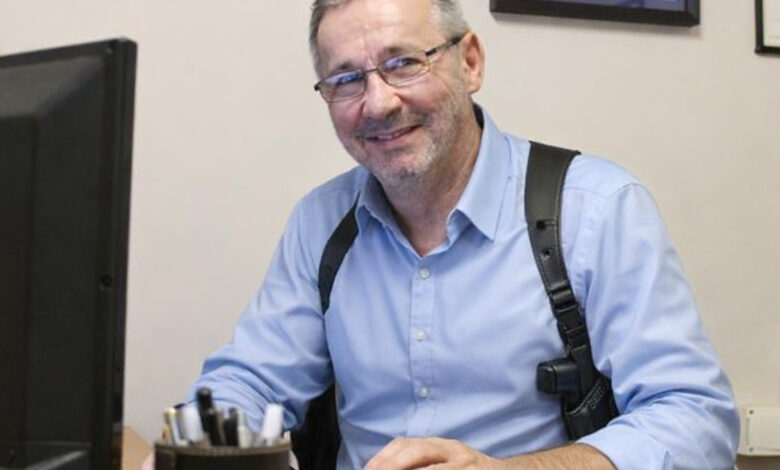
AS South Africans prepare for the December holiday season, consumers are being urged to remain alert to increasingly sophisticated scams targeting online shoppers, holidaymakers and people making festive season payments.
Rick Crouch, principal investigator at Rick Crouch & Associates Private Investigators and a former Kloof councillor, has warned that criminals are exploiting the excitement and urgency surrounding the holidays to steal money and personal information.
Using social media, fake websites, WhatsApp, email and artificial intelligence (AI), scammers are finding increasingly convincing ways to deceive unsuspecting victims.
“Scammers understand human behaviour. They know people are looking for holiday bargains, making online purchases, booking accommodation and transferring money more frequently during this time of year,” said Crouch.
Also read: Public warned of police recruitment scam
He said criminals deliberately create situations that appear legitimate, often using pressure and urgency to encourage victims to act before verifying the information.
Among the most common festive season scams, Crouch counted fake holiday accommodation advertisements, fraudulent online shopping websites, banking impersonation scams and fake parcel delivery notifications.
Crouch warned that criminals frequently advertise holiday properties at unusually attractive prices, using stolen photographs and descriptions of legitimate establishments to convince holidaymakers to pay deposits upfront.
“Victims are pressured into paying deposits upfront, only to discover that the property does not exist or is not available when they arrive,” he said.
Consumers are also being warned about fraudulent online retailers advertising heavily discounted electronics, clothing and household goods. These websites can closely resemble legitimate shopping platforms, making it difficult for consumers to distinguish between genuine and fraudulent businesses.
Banking impersonation scams remain another major concern, with fraudsters posing as bank employees or security officials to convince victims to disclose one-time passwords (OTPs), Pins and banking details. In some cases, victims are persuaded to transfer money into so-called safe accounts.
Also read: SAPS Pinetown issues festive season safety warning
Crouch stressed that consumers should never share banking security information or allow unsolicited callers to access their devices remotely.
He said WhatsApp impersonation scams are also on the rise, with criminals posing as friends or family members requesting urgent financial assistance. Consumers are advised to verify unexpected requests by contacting the individual directly through a trusted telephone number.
Other scams to watch out for include fake investment and cryptocurrency opportunities, fraudulent holiday giveaways, charity donation scams, counterfeit event tickets and bogus travel packages.
AI makes scams increasingly convincing
He said adding to the growing threat is the use of artificial intelligence, which allows criminals to create more convincing impersonations using publicly available photographs, videos and audio recordings.
Cloned voices can be used to imitate family members, employers or business associates, while AI-generated messages can appear professional and contain none of the spelling and grammatical errors traditionally associated with scam communications.
“People need to understand that scams are no longer limited to poorly written emails or suspicious telephone calls. Criminals are becoming increasingly sophisticated, and they are using technology, social engineering and publicly available personal information to make their operations appear legitimate,” said Crouch.
He advised consumers to remain cautious even when a voice or photograph appears familiar, particularly when an unexpected request for money is involved.
In emergency situations, people should end the communication and contact the individual using a previously verified number. Families can also consider establishing a private verification phrase to confirm genuine emergencies.
What to do if you become a victim
Crouch said one of the biggest mistakes people make after falling victim to a scam is delaying action because of embarrassment or the belief that their money cannot be recovered.
Anyone who suspects they have been defrauded should contact their bank immediately, report the transaction and ask whether the payment can be stopped or recalled.
Victims should also secure compromised accounts, change passwords, preserve all relevant digital evidence and report the incident to the SAPS.
WhatsApp conversations, emails, SMS messages, telephone numbers, payment confirmations, banking details and screenshots should be retained, as these could assist investigators.
For more from the Highway Mail, follow us on Facebook , X and Instagram. You can also check out our videos on our YouTube channel or follow us on TikTok.
Click to subscribe to our newsletter here