
Restoring nature and enhancing biodiversity
Learn about keeping your garden and public spaces beautiful and functional while also supporting diverse ecosystems.
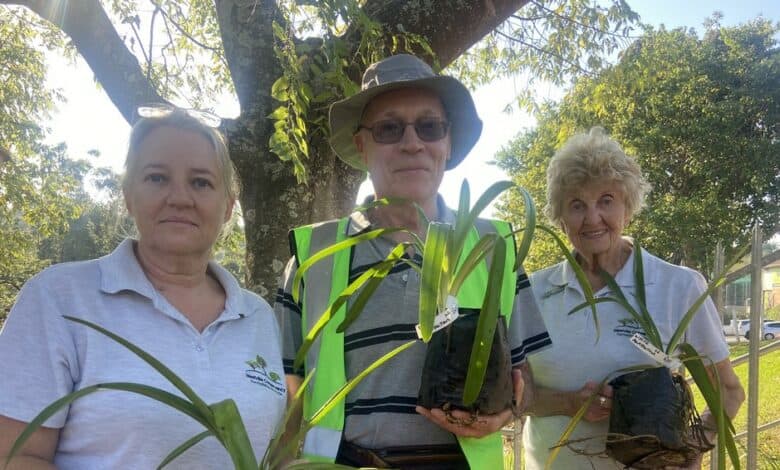
AS part of its mission to restore the natural environment in Westville, the Westville Conservancy is leading efforts to educate the community about the power of rewilding. Their work includes key initiatives like monitoring environmental issues, removing invasive alien plant species, and promoting ecological restoration. Central to their efforts is the concept of rewilding, a process that aims to return landscapes to their natural state to foster healthy, thriving ecosystems.
Also read: Hillcrest Conservancy launches educational board
What is Rewilding?
Rewilding focuses on restoring natural ecosystems to their original condition, allowing nature to recover and flourish with minimal human intervention. The ultimate goal is to create a healthier, more resilient natural world, capable of sustaining greater biodiversity. Rewilding is seen as a powerful tool in combating climate change, enhancing local ecosystems, and improving human well-being.
The Importance of Ecosystem Restoration
In many urban areas, including Westville, the tendency to maintain “neat and tidy” spaces often leads to environments that are devoid of biodiversity. Practices like regular brush cutting or mowing create what some call “green deserts,” where little to no wild flora or fauna can survive. These sterile environments offer few benefits to local wildlife and contribute to a reduction in ecosystem health.
Also read: Chirping with Kloof Conservancy – Crested Barbet
Rewilding encourages a shift from this approach, suggesting that our gardens and public spaces can be both beautiful and functional, while also supporting diverse ecosystems. For example, you can still maintain a lawn, but incorporating sections of taller, indigenous grasses can create habitats for local wildlife. Introducing a variety of indigenous shrubs and flowering plants is another way to allow nature to flourish naturally, while contributing to the broader ecological balance.
For more from the Highway Mail, follow us on Facebook , X and Instagram. You can also check out our videos on our YouTube channel or follow us on TikTok.
Click to subscribe to our newsletter here