Informal traders urged to use social services
An informal trader says they have no toilets and rely on the ones at the taxi rank and those are locked up between 17:30 and 18:00.
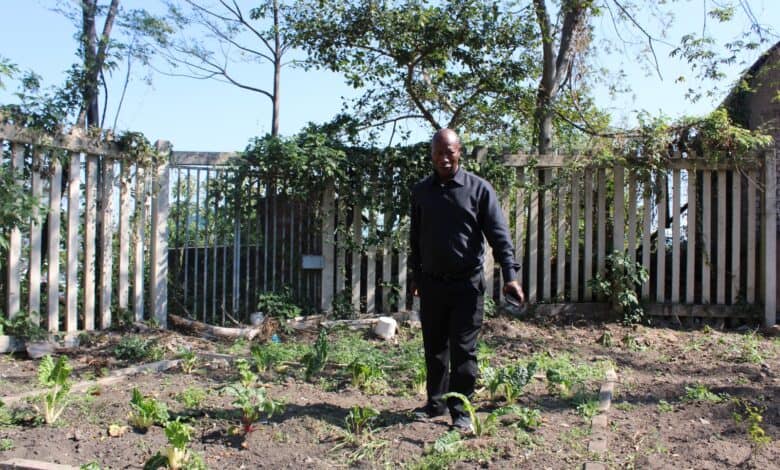
AS a form of social activism to ensure that informal traders who toil away in the Pinetown CBD near the taxi rank and miss out on various government department services which are usually delivered in their respective areas of residence during the day, Steven Khumalo saw it best to bring this right to their place of business.
A call for agricultural land, toilets designated for informal traders, and general assistance to uplift their ventures, were some of the issues raised by the informal traders who, on Wednesday, at Khumalo’s behest, met with social workers from the Department of Social Development (DSD).
DSD supervisor Sindisiwe Louvie told the traders that more than just the wide range of services provided by the department, which target all members of a family and community, it also works with sister departments when assisting.
Also read: Women’s tea builds empowerment
Informal trader Nomafu Hlongwane was among those who raised her hand to share personal difficulties, which include residing in a home which lacks dignity, and with unemployed children who all depend on her pension and what she rakes in from her business.
Another issue raised by Hlongwane, which she urged DSD to assist with, was that public toilets in their area of trade are locked up before they close shop, which then forces them to use nearby bushes by the train tracks.
“As traders we have no toilets, we have to rely on the ones at the taxi rank and those are locked up between 17:30 and 18:00; that means we have to go to the bushes by the train tracks. That is why it seems as if there is no hygiene around here because toilets are locked up at a specific time.”
Welfare concerns
Social worker Thabisile Buthelezi advised the traders to also ensure that they speak up and speak out about personal stresses, which always eventually impact work or business.
“We are here and we would be happy to help on that side of things too, which includes children, failed relationships or marriages; we can help you,” said Buthelezi.
Responding to a question about helping a family neighbouring one of the informal traders, Louvie stressed it is important to ensure that child births are registered as soon as possible to avoid complications, which could include struggling to obtain an ID later in life.
“We have spoken to the Department of Home Affairs about this, and they have told us that the problem is big and there is a lot of criminal activity around it, which also involves us South Africans because we sell IDs to undocumented foreign nationals,” said Louvie.
Khumalo, in closing, said other departments need to meet with these informal traders.
For more from the Highway Mail, follow us on Facebook , X and Instagram. You can also check out our videos on our YouTube channel or follow us on TikTok.
Click to subscribe to our newsletter here