
Upper Highway residents warned of toxic tree
Kloof's Mieke van Tienhoven said the wax tree is most obvious in autumn and can cause severe skin rashes and respiratory distress. She advised residents to remove it carefully or treat it with herbicide if they spot it in their garden or neighbourhood.
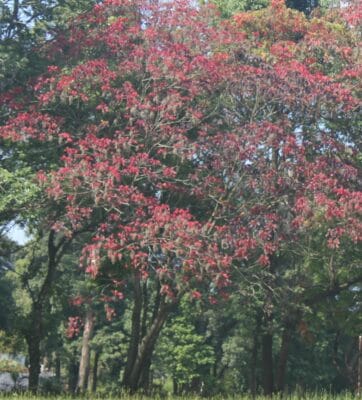
KLOOF Conservancy’s Mieke van Tienhoven urges Upper Highway residents to be on the lookout for the Japanese wax tree which she describes as a toxic tree that many residents know locally as “Rhus” or “Roos”.
Van Tienhoven, a BSc Botany and MSc in Environmental Geochemistry graduate who is working on a risk analysis of this plant, said the wax tree is most obvious in autumn, when its orange and red leaves are very eye-catching.
Because of its toxic properties, Van Tienhoven said it is no longer a popular ornamental plant, but some are still found in gardens, and gardeners are finding more young saplings and trees that have ‘escaped’ and are growing in hedges and along fencelines.
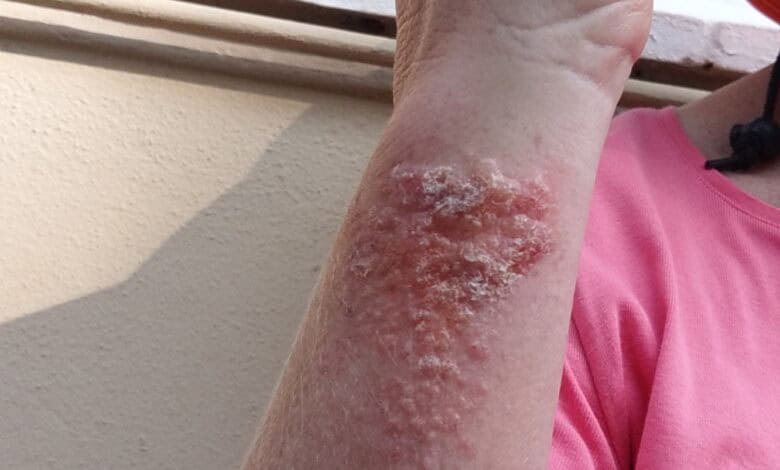
“As its formal scientific name implies (Toxicodendron succedaneum), it can be a nasty plant to encounter. Contact with the sap can result in a burning, itching skin rash, and blisters which may last for up to two weeks.
Also read: Public invited to comment on eThekwini’s draft annual report
“It may also take a few days for the symptoms to appear, so it is not always easy to determine that the tree is the cause of the rash. Susceptible people can even develop severe respiratory distress just sitting under the tree, or brushing against its leaves.”
She stated that a local resident faced the prospect of leg amputation, due to severe tissue damage caused by the leaves of the tree.
Van Tienhoven encouraged gardeners to remove this invasive alien, not only because of its potential risk to human health, but also because it encroaches into natural ecosystems.
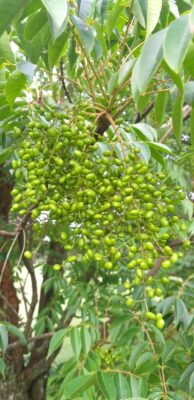
“The seeds may be widely dispersed by birds, as we have seen thick-billed weavers feeding on the fruits. Great care must be taken when removing these plants, as the sap in all parts of the plant is toxic, and persists for many months.
“A safer option is to treat the exposed roots and base of the stem, to a height of 40cm above ground, with an appropriate herbicide.”
If any residents have personal experience of the health impacts of the Japanese wax tree, they are urged to please email amvantienhoven@gmail.com.
“Similarly, any accounts or photographs of any other animals eating the fruits, would also be of interest,” she added.
For more from the Highway Mail, follow us on Facebook , X and Instagram. You can also check out our videos on our YouTube channel or follow us on TikTok.
Click to subscribe to our newsletter here