City hosts disaster management workshop in Pinetown
Traditional leaders from across eThekwini came out in large numbers during the Traditional Leaders Disaster Management Workshop, where they were empowered with strategies, traditional knowledge and disaster‑preparedness tools to help prevent future disasters.
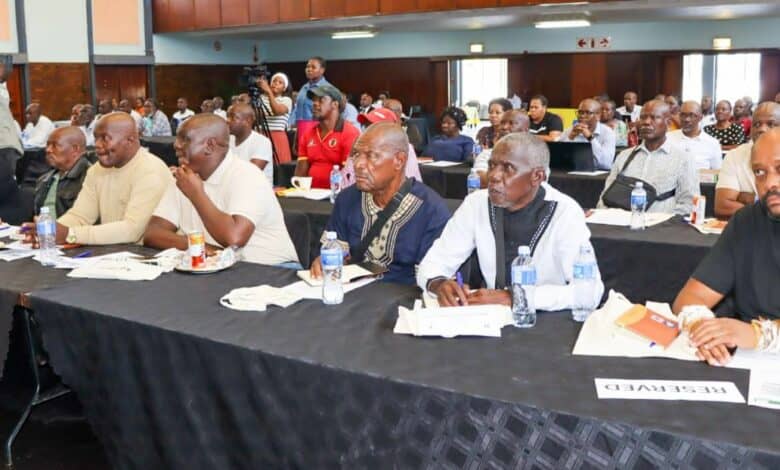
WITH rural communities remaining most vulnerable to floods, storms, fires and other climate-related disasters, eThekwini Municipality hosted a workshop to offer traditional leaders practical land-use guidance, risk-mapping insights and safer settlement strategies to prevent future disasters.
The Traditional Leaders Disaster Management Workshop was held at the Pinetown Civic Centre on Thursday, February 19.
The workshop was attended by a large number of traditional leaders from across eThekwini. Its aim was to capacitate leaders with the strategies, tools and disaster-readiness knowledge needed to strengthen community resilience and ensure that no household is left behind.
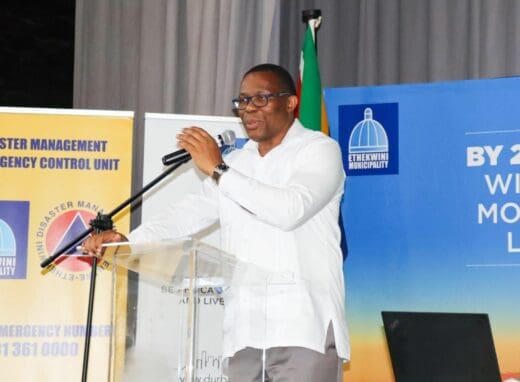
Led by eThekwini Mayor Cyril Xaba, Deputy Mayor Zandile Myeni and senior representatives from provincial departments and disaster agencies, the engagement highlighted that disaster risk reduction is no longer the responsibility of government alone.
Also read: eThekwini commits to greater disability access and inclusion
“It requires fully empowered traditional leaders whose decisions on land allocation, early warning communication and community mobilisation directly influence the safety and survival of communities living in high-risk rural areas.
“This collective approach signals a renewed commitment to building a more resilient, better-prepared eThekwini,” said Xaba.
The mayor emphasised that disasters are becoming more frequent and more destructive, placing immense strain on the City’s infrastructure, economy and the daily lives of residents.
“Every disaster leaves a negative impact on our infrastructure, our environment, and most painfully, on our people. Therefore, we cannot afford to respond only after tragedy strikes,” he said.
Xaba added that the aim of the workshop was to shift from being reaction to prevention.
“By equipping our traditional leaders with the right knowledge and practical tools, we are strengthening the frontline of community protection and ensuring that together, we develop strategies that will prevent disasters from devastating rural communities again,” said Xaba.
Throughout the session, disaster experts from the provincial government stressed the importance of blending indigenous knowledge systems with scientific disaster-management practices.
Traditional leaders were encouraged to use environmental patterns, ancestral land wisdom and community-based warning signs as early-alert triggers, integrating these with formal emergency protocols to create a stronger, more responsive safety network.
One of the urgent concerns raised was unsafe land allocation, often resulting from limited planning knowledge.
The Chairperson of Traditional Leaders in eThekwini, Inkosi Simingaye Mlaba, said the workshop has better equipped traditional leaders to make informed land-use decisions, issue early warnings and prepare communities before disasters strike.
“This workshop has not only strengthened our partnership with the Municipality and other structures, but it has also helped us to build back better and empowered us with tools to safeguard our people and contribute to a resilient, disaster-free eThekwini,” said Mlaba.
For more from the Highway Mail, follow us on Facebook , X and Instagram. You can also check out our videos on our YouTube channel or follow us on TikTok.
Click to subscribe to our newsletter here