
Campaign puts domestic workers’ rights in the spotlight
A national awareness campaign is empowering domestic workers and employers with knowledge of labour rights and responsibilities.
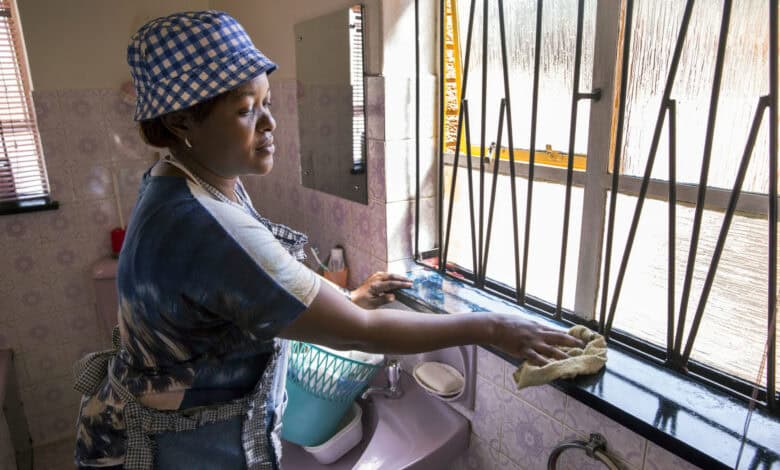
THOUSANDS of domestic workers across South Africa are being encouraged to learn about their legal rights through the Dignity in Every Home campaign, a national initiative aimed at improving working conditions while helping employers understand their obligations under labour law.
The campaign is being led by the Izwi Domestic Workers Alliance, the Socio-Economic Rights Institute of SA (SERI), the United Domestic Workers of SA (UDWOSA) and the SA Domestic Service and Allied Workers Union (SADSAWU).
Also read: Domestic workers enjoy pamper treat
It provides practical information on key labour protections, including written employment contracts, the national minimum wage, working hours, paid leave, UIF and COIDA registration, fair dismissal procedures, and the right to a workplace free from harassment, discrimination and abuse.
Maggie Mthombeni, a former domestic worker and Case Manager at Izwi Domestic Workers Alliance, said knowledge of labour rights benefits both workers and employers. “Both domestic workers and their employers need to know what the labour law requires.
“When domestic workers know their rights and employers provide contracts, UIF and COIDA registration, and fair working conditions, it creates a healthier and happier relationship for both parties,” she said.
The campaign also guides workers to organisations that can assist when their rights are violated, including the Department of Employment and Labour, the CCMA and trade unions.
Mthombeni said many domestic workers remain unaware of the protections available to them under South African law.
“Most domestic workers do not know the details of their rights under the law, and many are not enjoying basic labour protections. This includes the minimum wage, overtime pay, paid leave, family leave, public holidays, workplace safety, respectful treatment, freedom from harassment and abuse, as well as registration with the UIF and COIDA,” she said.
Domestic workers earning the national minimum wage of R30.23 per hour often use their income to support entire households, covering essentials such as food, rent, transport, electricity and school expenses. Campaign organisers say ensuring workers receive the legal protections they are entitled to is essential to improving their quality of life and promoting dignity in the workplace.
More information about the campaign and domestic workers’ rights is available at www.dignityineveryhome.org.za.
For more from the Highway Mail, follow us on Facebook , X and Instagram. You can also check out our videos on our YouTube channel or follow us on TikTok.
Click to subscribe to our newsletter here