Community unites youth with sports
The main challenge for the youth is unemployment because they have qualifications but cannot find jobs.
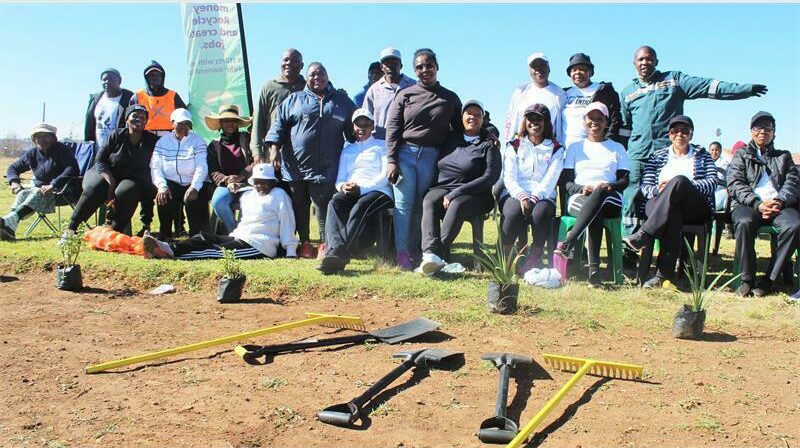
The community leaders of Moshoeshoe Section in Katlehong celebrated and shared a vital moment in SA’s history with the youth at the De Bruyn Ground on June 16.
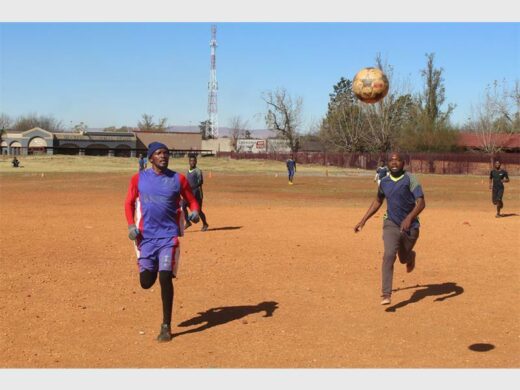
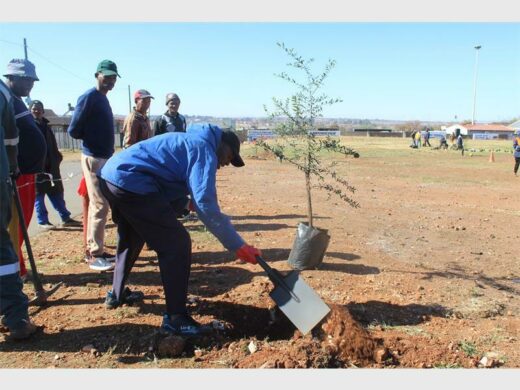
The activities ranged from a drum majorette performance by De Bruyn Primary School, dance performances, aerobics, a female penalty shootout, junior and senior soccer tournaments, tree planting and a cleaning awareness campaign.
The community received at least 60 trees from the Gauteng Department of Agriculture, Cultural Development and Environment.
Katlehong Orlando Pirates player Tebogo Tlolane (28) motivated the youth.
He said Youth Day was sad because of what happened to Hector Pieterson in 1976, but it was a chance for the community and the youth to unite and celebrate this day.
“It is a sad day, but also a day to celebrate the youth of SA. It is a good day for SA because you can see old people become young again by wearing the uniform and feeling like young people again. It is a colourful day for young and old,” said Tlolane.
He said sports were crucial because they were the foundation of growth. Through sports, you learnt how to live your life, avoid the streets and be saved from negative influences.
Tlolane noted that sports were viewed as entertainment but sometimes turned into a career, as they did for him.
“It is also vital for the elderly to support the youth. If youth get that, they can succeed.
“My message to the youth is to enjoy this day but understand the background and importance of it.”
Moeti Moloi (45), the community chairperson, said they started the day by cleaning the ground and surrounding spaces.
“We are planting trees. After this, we will ensure we maintain them, which will help us to continue cleaning around them. It is an ongoing programme.”
Moloi said they had soccer stars from Moshoeshoe Section, and he believed that through sports, they could unite the youth and the community and speak in one voice.
Maki Kganyago (54) reiterated that they want to keep children away from drugs and other social ills.
“We want our youth to learn to communicate and join programmes because hanging out at street corners will not benefit them,” said Kganyago.
She said the main challenge for the youth was unemployment because they had qualifications but could not find jobs.
“We thank the Gauteng Premier Panyaza Lesufi, who is creating jobs for them. It is up to them to take the opportunity because SA has no decent jobs anymore. You start anywhere and grow from there.”
Kganyago said the youth should continue their schooling despite the challenges because education was the key, and you could do nothing without it.
She further noted that opportunities were available, but the youth had to look for them.
The Soweto Uprising
On June 16, 1976, students gathered to peacefully protest against Afrikaans and English being the languages of instruction in high schools.
The apartheid government forced black learners to learn all subjects in Afrikaans and English.
Demonstrations planned by the Soweto Students’ Representative Council’s Action Committee (AC) were supported by the wider Black Consciousness Movement and teachers in Soweto after the AC emphasised discipline and peaceful actions.
Tsietsi Mashinini led students from Morris Isaacson High School to join up with others who walked from Naledi High School.
Many students did not know about the planned protest until that morning. A crowd of learners marched to Orlando High School holding placards that read: “Down with Afrikaans”, “Viva Azania” and “If we must do Afrikaans, Vorster must do Zulu”.
Police shot at the protesters with live ammunition. Hastings Ndlovu (15) and Hector Pieterson (12) were among the first killed at Orlando West High School.
Photojournalist Sam Nzima captured a dying Pieterson being carried away by Mbuyisa Makhubo and escorted by his sister, Antoinette Peterson, in a shot symbolising the Soweto uprising.
The official death toll was 176, but estimates range from 176 to 700. The first government report said 23 students were killed. Nevertheless, many believed that more than 1 000 students were injured.