
Winter – it could take your breath away
For those with asthma, winter can be a stressful time of year because even a simple cold can trigger a major asthma event.
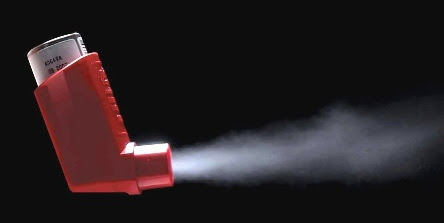
Asthma affects approximately 3.9-million South Africans daily.
Also read: What you need to know about asthma
Wheezing, shortness of breath, coughing and a tight chest are all symptoms of asthma.
As winter weather rolls in, so do colds and flu.
For those with asthma, winter can be a stressful time of year because even a simple cold can trigger a major asthma event.
Asthma is a chronic inflammatory disease of the airways and while the exact cause of asthma is unknown, scientists and doctors do know that certain triggers such as exercise, allergens and air pollutants can bring on an attack.
The severity and time of the onset can vary from person to person, but colder weather is always a danger-sign.
“In asthma, the lungs are already irritable and more reactive. So any virus that impacts the lungs has a propensity for creating more problems, including bringing on an asthma event faster and easier than many people realise,” said Mr Peter Jordan, the principal officer of Fedhealth.
According to research done by Fedhealth on the prevalence of asthma within the Fedhealth population, children between the ages of 1 and 10 fall within a high risk group, as do adults 65 years of age and older.
“Fortunately, there are many things you can do to lead a symptom-free life,” said Mr Jordan.
He emphasised that while you or your child may not be able to avoid these exposures, there are ways to stay safe and healthy. Among the most important is to take control of your winter asthma symptoms before other problems occur.
“There are two challenges for people with asthma in the winter. One is that they spend more time inside. The other is that it is cold outside,” said Mr Jordan.
While indoors, you breathe in asthma triggers such as mould, pet dander, dust mites and particles from fires in the fireplace. When you venture outside, you could have an asthma attack from inhaling the cold air.
Fedhealth offers the following tips to breathe easier during the cold months.
Learn Your Triggers
When you inhale something that triggers your asthma, your airways (the tubes in your lungs that carry air) can become tight and clogged with mucus. You may cough, wheeze and struggle to catch your breath.
Talk to your doctor about having tests to find out what your triggers are. Once you know your triggers, you can make some changes at home that may help.
Limit time around pets. Having a dog or cat in your home may trigger your asthma. Try to keep your pet out the bedroom.
Curbing allergy triggers where you sleep can make a big difference. Cover bedding. If mites are a trigger, use mite-proof covers on the mattress, box springs, and pillows. Keep the house cool and dry. Dust mites, as well as mould, don’t grow very well when it’s cool and dry.
Mr Jordan said since the common cold and flu are both more likely to strike in the winter, and can lead to asthma flare-ups, you can also lower your family’s risk of these illnesses by ensuring you always wash your hands.
Stay away from people who are ill and consider getting a flu shot. Mr Jordan said the key is keeping your asthma under control.
“Always work closely with your doctor. Regular assessment of asthma control allows your doctor to tailor your asthma treatment to your current needs,” said Mr Jordan.