
Modern-day fossil park right on our doorstep
Scientists found fossils at the Cradle of Humankind of a species so close to humans, they could have been our brothers.
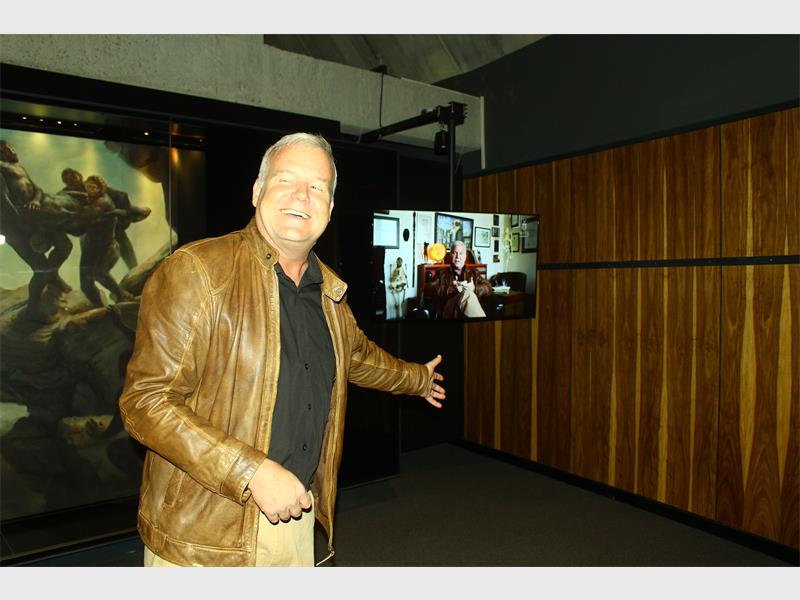
Wide-eyed with wonder, a group of guests walked into Maropeng, the official visitor’s centre of the Cradle of Humankind, at the opening of the Almost Human Exhibition.
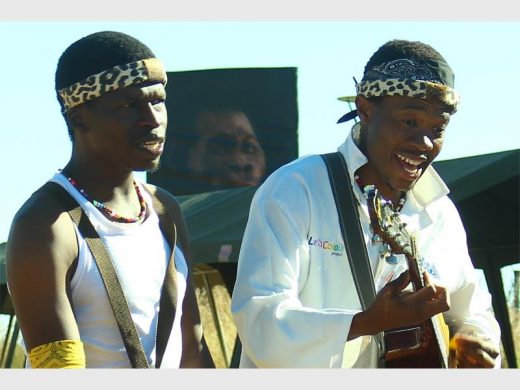
Their heads were all tilted upwards as if they were entering the lost city of Jurassic Park, surrounded by the sound of water splashing, the sun pouring down, and in the distance, African drums beating joyfully.
Excited chatter could be heard all around as visitors admired the famous National Geographic poster entitled Almost Human hanging inside the visitor centre.
Hundreds of camera crews lined up in the conference centre on 25 May to catch a glimpse of the scientist who made one of the most significant discoveries of the century. Professor Lee Berger, an American-born South African paleo-anthropologist and National Geographic Explorer-in-Residence intrigued the audience with the questions raised about humanity after the discovery of Homo naledi in 2013.
“The species is so closely related to Homo sapiens (humans) that scientists believe they could have lived at about the same time as we did. It made them ask questions such as ‘Were they our brothers?’ and ‘Did we live in tribes with them?’ ” said Lee.
The fossils made them wonder if Homo naledi was scratching his head, seeking to make fire with sticks, while one of our ancestors was keeping a lookout for predators.
More important questions were also asked, for instance, ‘Did Homo sapiens or Homo naledi make the stone tools found around the Cradle of Humankind over the last few years?’
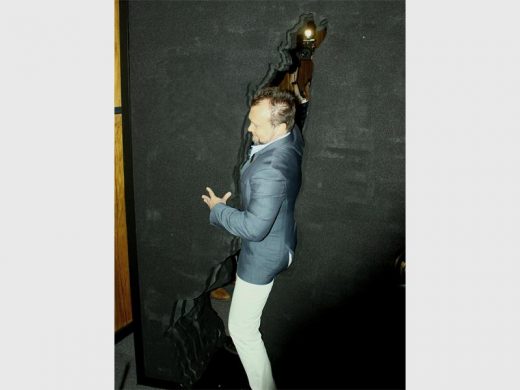
Michael Worsnip, managing director of Maropeng, ended the speeches by saying, “These bones are more important to human origin than the crown jewels are to England”.
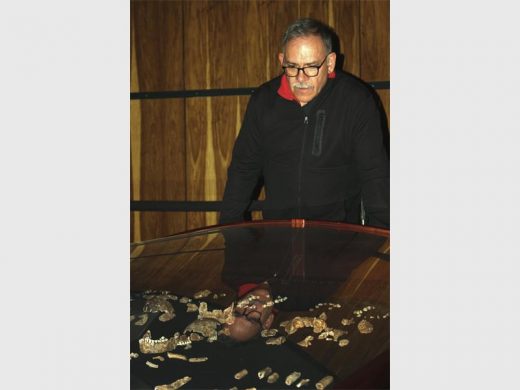
The group of visitors then made their way into the exhibition. Reflections of smiling faces, Lee’s included, could be seen on the glass surrounding the bones and ensured an array of reflected colours. Lee moved from room to room like a tour guide and with utter excitement described the feeling of sending the female archaeologists into the unknown, claustrophobic cave system; the feeling of sitting in a tent outside giving them instructions on a live feed camera, and the thrill of pulling – one after the other – fragments of human history from the ground which no one had set a foot on for thousands of years.
Also Read: Homo naledi: exciting new fossil find
And then came the big unveiling of the bones. For 10 minutes, we stared down at the bones while Lee theorised about the species.
Perhaps they were less violent, perhaps they had less trouble among their people, perhaps war did not appeal to them and perhaps their tranquility is the reason they went extinct.
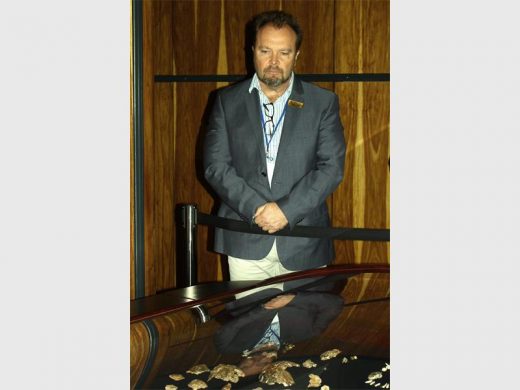
The bones serve to remind us that we know so little about our past, that small discoveries blow our minds so much that we can create an entire new story about our history on the basis of finding a couple of bones.
The excited ‘underground astronauts’ who came up from a cave with a bag of bones in 2013 had no idea that they would figure out that Africa’s gift to the world was Humanity.
Do you perhaps have more information pertaining to this story? Email us at krugersdorpnews@caxton.co.za or phone us on 011 955 1130.
For free daily local news on the West Rand, also visit our sister websites:
Remember to visit our Facebook, Twitter and Instagram pages to let your voice be heard!