Despite millions spent, Cradle sewage crisis continues
Stakeholders say ongoing sewage pollution linked to the Percy Stewart Wastewater Treatment Plant continues to threaten the Cradle of Humankind’s environment, tourism industry and local livelihoods.
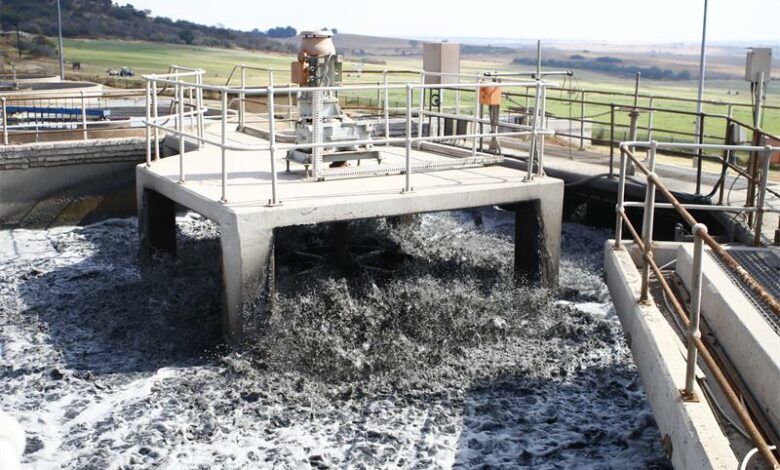
Mogale City Local Municipality (MCLM) says progress is being made to address long-standing problems at the Percy Stewart Wastewater Treatment Plant, but community stakeholders warn that sewage pollution continues to damage the Cradle of Humankind and surrounding areas.
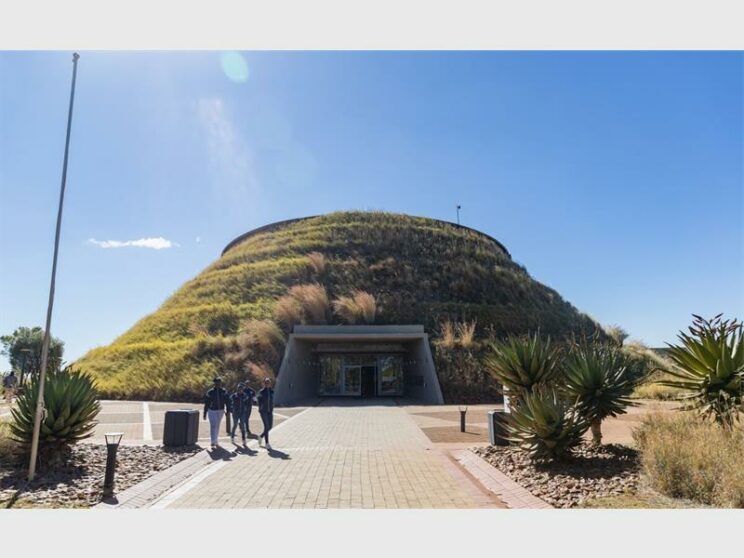
The Cradle of Humankind World Heritage Site, located in Sterkfontein within Mogale City, has for years battled sewage contamination linked to recurring failures at the Percy Stewart Wastewater Treatment Plant.
• ALSO READ: Progress at Percy Stewart, but concerns remain
According to Leanne de Jager, the DA Gauteng spokesperson for Sport, Arts, Culture and Recreation, the ongoing crisis is causing severe environmental damage while negatively affecting tourism, local livelihoods and Mogale City’s responsibility as custodian of the internationally recognised heritage site.
The area’s natural and scientific value, which attracts visitors and researchers, is being eroded by Mogale City’s failure to manage and maintain essential infrastructure.
“Appeals have been made to the MEC for Cooperative Governance and Traditional Affairs (COGTA), Jacob Mamabolo, to act immediately to enforce compliance by Mogale City and ensure the Percy Stewart Wastewater Treatment Plant is fully and permanently repaired,” said De Jager.
The Cradle of Humankind is one of Gauteng’s most significant heritage sites and an important contributor to the local economy. However, for nearly two decades, untreated and partially treated sewage has reportedly flowed from the Percy Stewart plant into the Blougatspruit and Bloubankspruit, eventually reaching the Crocodile River and Hartbeespoort Dam.
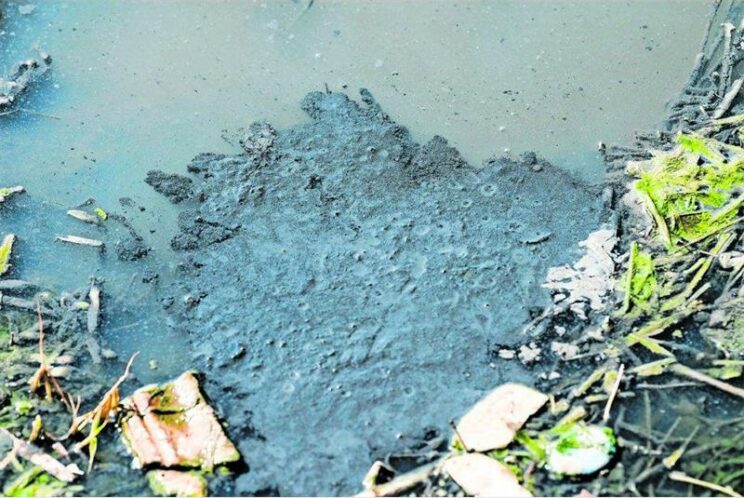
According to the Council for Scientific and Industrial Research (CSIR), sections of the river system have been classified as biologically dead.
Multiple oversight inspections conducted by the DA and the CSIR found that the pollution is threatening both the surface ecosystem and the fragile underground cave systems that make the Cradle globally significant.
The dolomitic cave formations, which preserve some of the world’s most important human evolutionary fossils and artefacts, are increasingly at risk from contaminated groundwater and chemical instability caused by sewage infiltration.
Mogale City councillor Lourens Gouws said that despite partially resumed operations after years of deterioration, the Percy Stewart Wastewater Treatment Plant still does not comply with legal environmental standards.
• ALSO READ: Progress made at troubled Mogale wastewater treatment plants
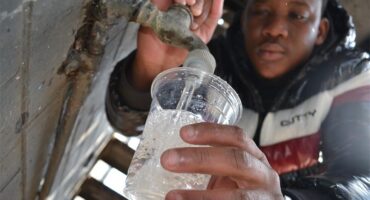
“Independent laboratory tests commissioned by residents confirm dangerously high levels of E. coli in the water. An amount of R64m was earmarked for upgrading Percy Stewart, and R10m of that has already been spent on security measures and the construction of a new fence. However, the fence remains incomplete because MCLM defaulted on payment,” said Gouws.
He added that the ongoing pollution is having a devastating impact on tourism and nearby communities.
Businesses along the Blaauwbank and Rietspruit tributaries, including restaurants, guest houses, factories and farms that rely on river water for irrigation, have reportedly been forced to halt operations because they cannot use the contaminated water.
Responding to questions from the Krugersdorp News, municipal head of corporate communications Adrian Amod said an initial condition assessment conducted in 2023 estimated that R150m would be required to fully refurbish the Percy Stewart plant.
To date, R85m has been spent. While we have applied for grant funding, a budget of R10m has been allocated for the new financial year, subject to approval,” said Amod.
According to Amod, the main challenge slowing operational improvements at the plant is limited resources, which have forced the municipality to implement refurbishment work in phases.
Amod added that the municipality continues to work alongside government departments and private-sector stakeholders to address the ongoing wastewater challenges.
“The municipality participates in the Cradle of Humankind Management Authority forum, led by the Gauteng Provincial Government, where government departments, private-sector organisations and resident stakeholders collaborate within their respective mandates to address wastewater challenges,” he said.
Stakeholders involved in the forum include the Department of Water and Sanitation, the Gauteng Department of Cooperative Governance and Traditional Affairs, the Office of the Premier and mining companies.