Traditional medicine: is it bogus or the real thing?
Traditional medicine week is commemorated to highlight the benefits offered by 'umuthi'.
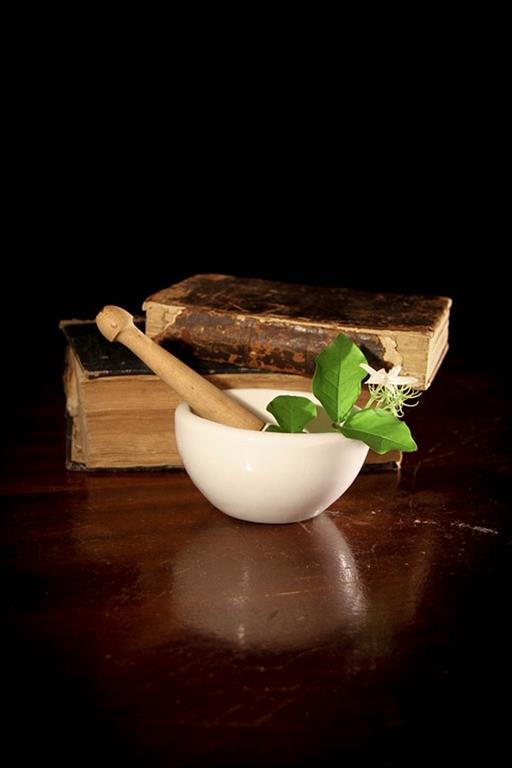
South African Traditional Medicine Week was commemorated in August to demonstrate how far traditonal medicine has come since its formalisation in 2013.
The World Health Organisation stated that up to 80 per cent of South Africans meet their health needs through traditional medicine. Traditional healers use different methods ranging from herbs, spiritual therapies provided by persons who practise as sangomas, lucky charms, ointments or animal-based potions.
The traditional healers and medicine industry was formalised when the Ministry of Health inaugurated the Council for Traditional Health Practitioners. The council includes stake-holders, consultants, South African Pharmaceutical Council members and members of the Health Professions Council.
Pauline Dube of Krugersdorp’s CBD says she switched to using traditional medicine in 2012 after her mother was healed of a mental illness.
“Before the incident in 2012, I didn’t believe in ‘umuthi‘, but after we had tried western medicine without any improvement in my mother’s condition, we went to a traditional healer in Luipaardsvlei, and my mother was healed. Since then, I also use it for healing,” said Pauline.
While there are satisfied consumers of traditional medicine, there are also people who do not use it because of bogus traditional healers who just want to make a bit of extra money quickly.
Sizwesamahlubi Radebe will never forget the ordeal he underwent two years ago when he could not sleep due to the bad spirits (tokoloshe) that were in his residence.
“I don’t know how many ‘traditional healers’ I went to, even outside the West Rand. I lost at least R4 000 in about 10 months’ time – I then went to church and through my newly-developed faith, the evil spirits were chased out of my house,” said Sizwe.
If you would like to check whether the traditional healer you intend to go to is authentic or not, visit the African National Healers Association (ANHA) at www.africannationalhealersassociation.org/members.
Alternatively, go to the traditional healers’ practice and ask to see the practitioner’s card and certificate, with the healer’s photograph on both, as all members of ANHA are required to have their ANHA membership cards and certificates in their practices at all times.
Authentic traditional healers or sangomas also provide valid sick notes approved by South Africa’s Supreme Court.
Do you perhaps have more information pertaining to this story? Email us at krugersdorpnews@caxton.co.za or phone us on 011 955 1130.
For free daily local news on the West Rand, also visit our sister websites:
Remember to visit our Facebook, Twitter and Instagram pages to let your voice be heard!