
‘Owl-DP’ houses for big-eyed beauties
The Owl Rescue Centre is using recycled plastic bottles to give homeless owls houses. Here's how you can help
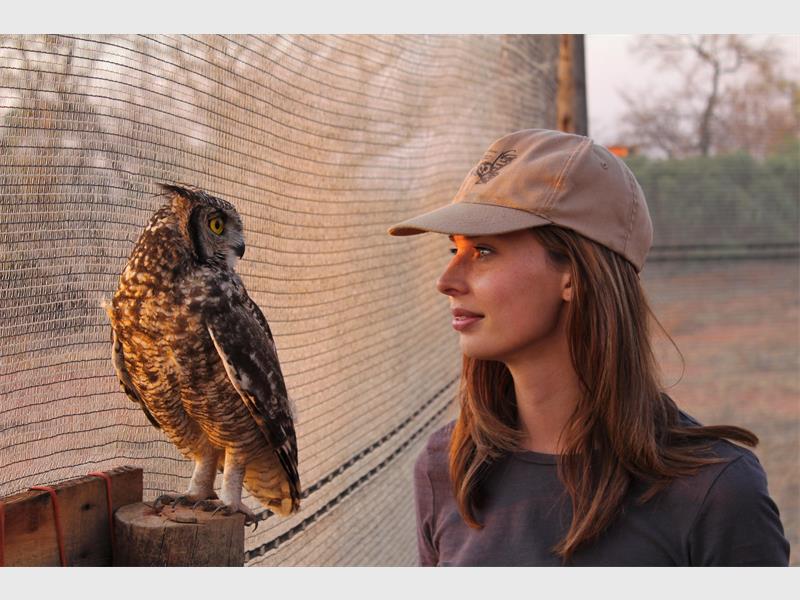
‘Whoo’ would have thought that plastic bottles could become an owl house?
Owl Rescue Centre in Hartbeespoort is collecting plastic bottles that would be cut up, processed and turned into bat, bee and owl houses.
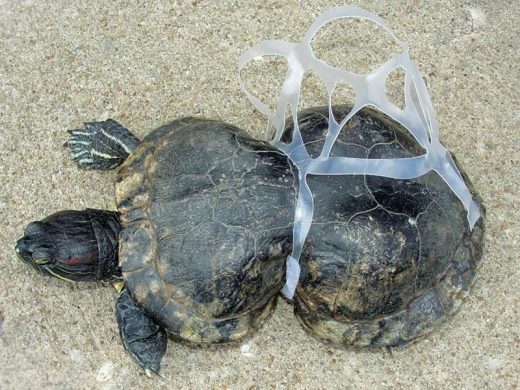
Photo: Submitted
“With the amount of plastic landing up in the oceans, we brainstormed how we can also make a difference and this is what we came up with,” said Brendan Murray, co-founder of Owl Rescue.
“We are busy building a machine that chops up plastic bottles into little pieces, which are melted and put through a hydraulic press.”
The catch is they need 200 tons of plastic bottles to mould enough houses as each house requires 650 bottles. And this will only be possible if the community helps them to collect the bottles.
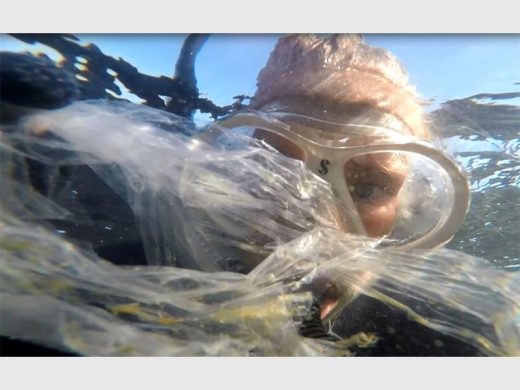
Photo: Natasha Pindral
Bottles can be dropped off at Northgate Self-Storage at 220 Elsecar Street, Kya Sand, Randburg, Block E unit D.
“Just drive in, go to the unit, open the door, throw in your bottles and close the door behind you.”
Schools and companies are also encouraged to help.
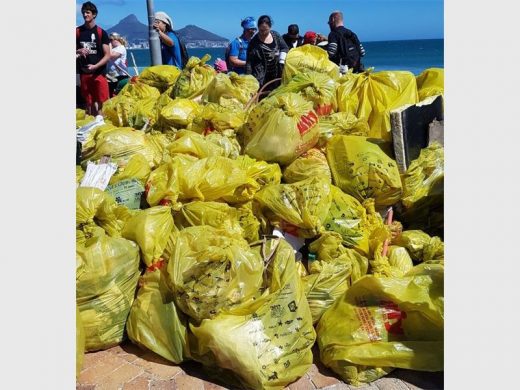
Photo: Natasha Pindral
Keep an eye on the Owl Rescue Centre’s Facebook page for more information on local drop-off points and how you can help to build houses for those big-eyed birds.
The impact of plastic on the ocean
Have you ever seen a marine biologist pulling a straw from an injured turtle’s nose? Or helped a fisherman gag a shark to save it from choking on a plastic bag? Natasha Pindral, Marine Biology student who lives in Cape Town has. Here are some of the images she took while cleaning up beaches during her December holiday.
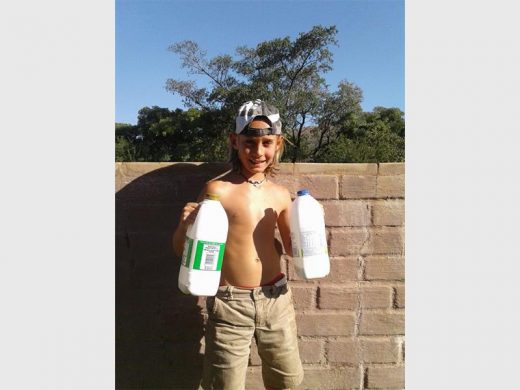
Photo: Bianca Pindral
Five facts about plastic in the ocean:
• The Pacific Garbage Patch is an enormous collection of concentrated debris floating around trapped in the oceanic currents.
The patch is characterised by exceptionally high concentrations of chemical sludge and other debris. The estimated size range is about 700 000 square kilometres – about the size of Texas. It weighs as much as about 1 000 Eiffel Towers.
• Of the 1,5 million albatrosses that inhabit Midway island in the remote North Pacific Ocean, nearly all are likely to have plastic in their digestive systems. The plastic they ingest gives them a false sense of fullness, but cause them to die due to malnutrition. They also feed plastic to their chicks, causing them to die because of ruptured organs.
• Plastic releases toxins that fish ingest when it is mistaken for the sea plants the fish feed on. The fish are then consumed by humans, resulting in their ingesting toxic chemicals.
• The United Nations Ocean Conference estimated that by the year 2050 the weight of plastics in the oceans might exceed the weight of fish.
• The debris collects on or near the surface of the ocean, preventing sunlight from reaching the plankton and algae below. The latter are the most common producers in the marine food web. They produce their own nutrients from oxygen, carbon and sunlight. Most fish feed on plankton and algae and when they die, there will be less and less fish for humans to catch.
For more information watch:
Do you perhaps have more information pertaining to this story? Email us at krugersdorpnews@caxton.co.za or phone us on 011 955 1130.I
For free daily local news on the West Rand, also visit our sister websites:
Remember to visit our Facebook, Twitter and Instagram pages to let your voice be heard!