
Beware of flash floods this holiday
The damage wrought across the country over the last few years highlights just how vulnerable we are to changing weather patterns and climate change.
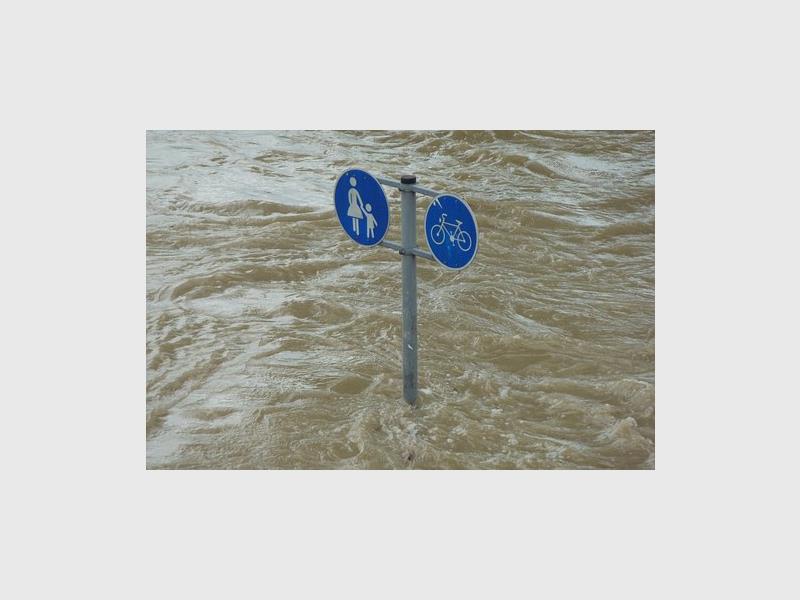
During the rainy season in Gauteng, widespread flooding and weather-related chaos often erupts without notice.
Roads, properties and vehicles have been flooded and damaged in the past, and the cost of damages is expected to run into millions of rands yet again.
Mandy Barrett, of insurance brokerage and risk advisors, Aon South Africa, said the damage wrought across the country over the last few years highlights just how vulnerable we are to the changing weather patterns and climate change.
General consensus from meteorologists is that climate change is having a massive impact on property losses, and South Africa should brace for a new normal of abnormally heavy rain and hail storms, powerful winds and on the opposite extreme – drought conditions in many regions, said Mandy.
Pieter Visser, a Catastrophe Analyst at Aon South Africa, said that the combined catastrophe insured losses for South Africa in 2017 was the highest ever recorded.
“Insurance companies released more than R5 billion to affected parties, which is absolutely necessary to rejuvenate economic recovery and renewal in affected regions,” he said.
Here are some safety tips from Aon to keep in mind during flooding conditions:
On the road:
• Take special note of weather warnings and if possible, avoid being on the road or out and about during such times.
• If you can, rather avoid driving in heavy downpours. Treacherous potholes could be hiding in the guise of a puddle. Never attempt to drive through a flooded area of the road – even a few centimetres of water is powerful enough to sweep a car away.
• If caught in a flash flood on the road, get yourself to safety as quickly as possible – if you can, get out of the vehicle and get to high ground. Don’t close all the windows as the water will cause a vacuum and trap you in the car.
• Many car accident claims are due to slippery roads and potholes. Tyre damage is not an uncommon occurrence, and is normally not covered by a motor insurance policy unless another part of the vehicle is damaged at the same time.
• Check your tyre tread and replace worn tyres – an accident claim could potentially be repudiated if the tread is deemed insufficient to have stopped the vehicle in time. The legally required minimum tread depth is 1,6mm.
• Increase your following distance and reduce your speed to allow enough time to react.
At home:
• Your homeowner’s insurance policy will cover any damage to the structure of the building as a direct result of freak rainstorms, but will not cover maintenance-related damage.
• If you’re faced with flooding of your property, try to move as many of your belongings as you can out of the water – the longer the water is left standing, the more damage it causes.
• Half a metre of paving around the perimeter of a building can help with damp problems.
• Keep gutters clear of debris to facilitate proper drainage around the house. Protect inlet/ outlet pipes of any drains and storm water drainage against blockage from debris.
• Check the waterproofing and flashings on the roof on a regular basis.
• Install lightning rods along the outside of the house if your area is prone to lightning strikes, and fit plugs with surge protection.
“Discuss your motor, household and business insurance with your broker to make sure you are comprehensively covered for such eventualities. The growing risks presented by our changing weather patterns demand that you review your needs in detail and get impartial and professional advice to ensure your cover meets those needs,” Mandy concluded.
Do you perhaps have more information pertaining to this story? Email us at krugersdorpnews@caxton.co.za (remember to include your contact details) or phone us on 011 955 1130.
For free daily local news on the West Rand, also visit our sister newspaper websites
Remember to visit our Facebook, Twitter and Instagram pages to let your voice be heard!