
Why are children the main victims of dog attacks
ER24 urged pet owners to take good care of their dogs by ensuring they are well socialised and trained from a young age, and kept securely on their property.
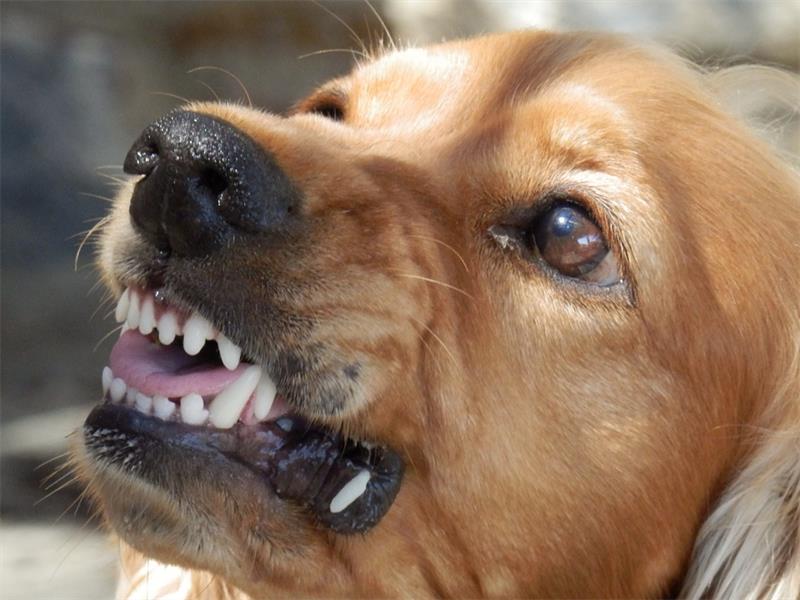
Last year, ER24 responded to a total of 103 dog attacks. A recent case was where a six-month-old baby boy was killed after he was bitten multiple times by a dog in Primrose, Germiston.
A woman was also recently attacked by three dogs in Moreleta Park. Although dog attacks can happen anywhere and to anyone, children are still more vulnerable to these incidents.
Shannon McKay, chairperson of the Animal Behaviour Consultants of SA explained why.
“This is probably due to two reasons; namely size and knowledge. A child’s smaller size and their more active body movements could simultaneously cause a dog to feel less concern for potential retaliation and their prey drive toward smaller animals could be triggered by a child’s erratic movements. Most children are also less skilled at interpreting canine body language and are thus less likely to defuse or avoid an aggressive encounter. For these reasons, parents should not allow unsupervised interaction between dogs and children,” said Shannon.
She also explained that it is not always possible to say why dogs attack people.
“It would be like trying to answer why people attack other people. There are a multitude of possible reasons – poor genetics, inappropriate environment, incorrect raising, inadvertent training, poor health, past experiences, etc. If all dogs were ethically bred, appropriately socialised and managed according to their individual nature, the instances of maulings would decrease substantially.”
Shannon does offer suggestions to reduce the possibility of attacks.
“The most important consideration is proper management of the dog. Being aware of signals that a dog is moving into an uncomfortable, anxious or aggressive mindset is crucial. Subtle signs that point to these states can be tongue flicks, yawns, turning the head or body away or even walking away. More intense signals can include closing of the mouth, stiffening of the body, growling, staring or walking slowly toward the intended victim. These signs are often ignored or not noticed for a period of time and then an attack appears to come out of the blue, yet it had been brewing for a long time. If dog owners have any concerns, they should consult an accredited canine behaviour consultant for immediate assistance. Furthermore, dog owners need to acquire, house and manage their dogs appropriately. If a large breed dog is acquired for the purposes of protection, the dog should be very strictly managed and controlled.”
Dr Robyn Holgate, ER24’s Chief Medical Officer, said you should always see a medical practitioner if you’ve been bitten by a dog and also described what the treatment would usually consist of.
Her advice? “If the dog is unfamiliar, and you are unable to manage the injury with basic first aid at home, it’s best to see a doctor.
“Clinically, we would triage the severity of the injury. Patients who have sustained severe injuries should be resuscitated first. Treatment may involve direct pressure to stop the bleeding and attention to the airway and breathing. The decision on whether to suture a wound or not is best left to your doctor, as some wounds with a high risk for infection may be left open to heal by secondary intention (a wound is left open and closes naturally). Wounds on the face should only be sutured by a specialist after extensive cleaning and irrigation. Most patients with minor bite wounds can be treated as out-patients. The key to preventing infection and promoting wound healing is wound cleaning and disinfection. Routine antibiotic prophylaxis is not recommended for all bite wounds. Tetanus prophylaxis should however be considered if the patient was not vaccinated against the disease in the past five years. The decision to start rabies prophylaxis is based on whether there are any current rabies outbreaks and what is known about the incident and dog. We use a wound classification to decide on whether immunoglobulin and/ or the vaccine should be given,” Robyn said.
ER24 urged pet owners to take good care of their dogs by ensuring they are well socialised and trained from a young age, and kept securely on their property.
Also remember to make sure that your animals are taken care of while you are on holiday this festive season, whether by a pet sitter or at a kennel.
Ensure your animals have sufficient shelter, water and food during this time, and especially during the hot summer months. They also urged people to avoid approaching unfamiliar dogs and to report stray dogs to the relevant authorities. Children should also be educated about how to act around and take care of their dogs.
Do you perhaps have more information pertaining to this story? Email us at krugersdorpnews@caxton.co.za (remember to include your contact details) or phone us on 011 955 1130.
For free daily local news on the West Rand, also visit our sister newspaper websites
Remember to visit our Facebook, Twitter and Instagram pages to let your voice be heard!