
Trich parasite not a direct threat to the Black Eagles
The Trich parasite has been infecting doves, pigeons, and various raptors right across South Africa.
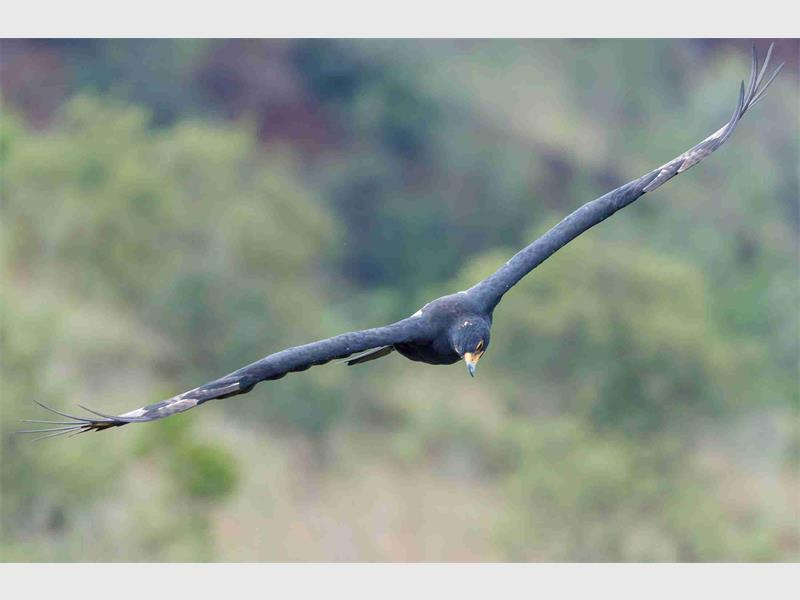
Even though the Black Eagles in the Walter Sisulu National Botanical Garden aren’t at direct risk of contracting the Trich parasite, the members of the Black Eagle Project Roodekrans (BEPR) will remain vigilant as to their condition.
Trichomonas gallinae is a parasitic disease that is slowly infecting and killing off raptors right across South Africa, and is being carrying primarily by birds such as doves and pigeons. Trich, as the disease is referred to in short, manifests itself and develops inside a seed, which is naturally common feed for pigeons and doves right around the world.
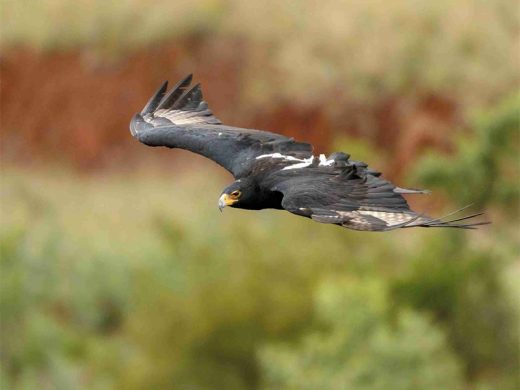
To be more specific, Trich prefers to make itself at home inside wet or damp seeds which are common during the summer as it is the rainy season. The heat that comes with the summer months helps incubate the parasite inside the seed, which is eventually eaten by a dove or pigeon or any other bird, which in turn becomes the new carrier of the Trich infection.
The Black Eagles are in no way immune to Trich, no bird is. But, according to the BEPR’s chairperson, Gerald Draper, since the parasite is primarily found in seeds and doves and pigeons, the eagles aren’t at direct risk because none of these form part of the eagles’ diet. “A Black Eagle’s diet primarily consists of dassies and and other small mammals that they find in their feeding ground,” he said. “It’s rare for a Black Eagle to eat another bird such as a dove or a pigeon, so that should mean they’re not in direct contact.”
Gerald did however state that they will not be blind to the fact that Trich can nevertheless harm the eagles. “We are still going to keep a watchful eye on the eagles to look for any tell-tale signs that they could be infected by Trich.”
He also said that the BEPR is appealing to visitors to the Garden to keep an eye out for the eagles, and any behaviour that could be out of the ordinary for the birds.
Do you perhaps have more information pertaining to this story? Email us at krugersdorpnews@caxton.co.za (remember to include your contact details) or phone us on 011 955 1130.
For free daily local news on the West Rand, also visit our sister newspaper websites
Remember to visit our Facebook, Twitter and Instagram pages to let your voice be heard!