
seTswana pride runs deep
Nthabiseng is a proud member of the Batloung tribe of seTswana people and, in her heart, she is as strong as the elephant that represents her family.
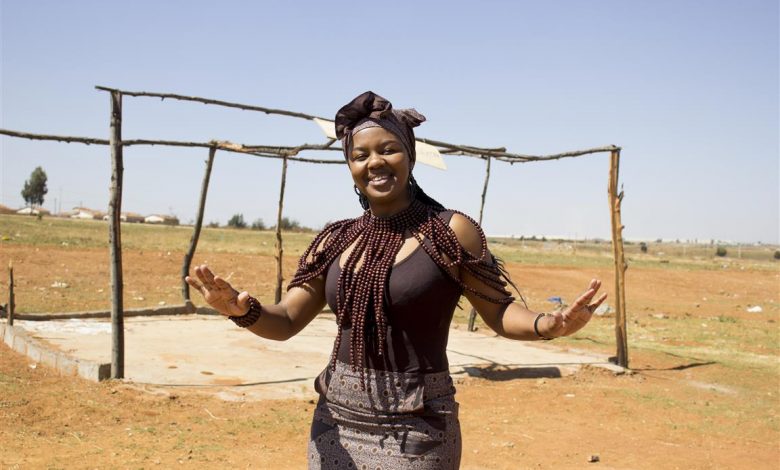
As the celebration of South Africa’s rich heritage continues this month, the time has come to look at one of the largest and most prominent cultural groups in the country.
The seTswana are proud people whose roots extend far beyond the foundation of this great republic. Before this land bore the name South Africa, the seTwana tribes were already well established in their traditions.
Although modern times have largely changed the landscape of traditional culture, this group of proud people still honour their ancestors –be it in a large public display or in the smaller dealings of their daily routines. Nthabiseng Dipudi is a woman who wears her seTwana heritage on her sleeve, often very literally.
“I wear traditional clothes, but I modernise it,” Nthabiseng said as she shows off the ensemble of dark wooden beads draped over her skin. For her, being seTswana is part of her.
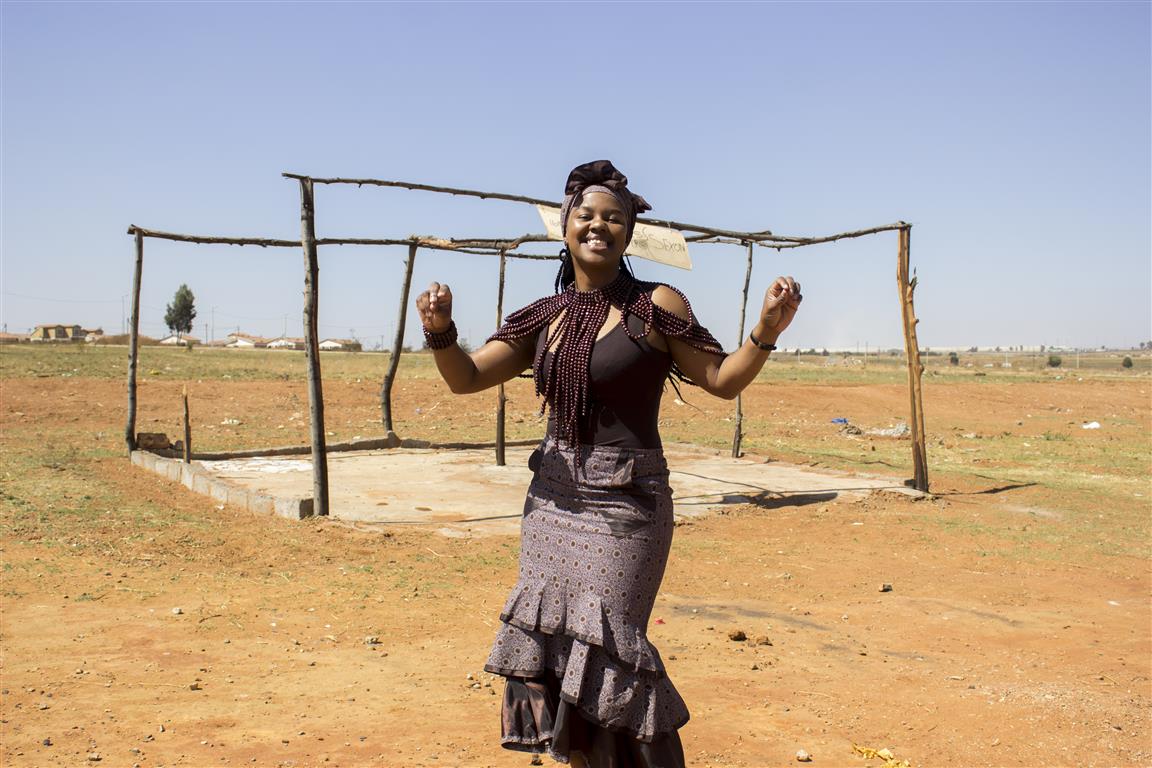
She is a modern woman with modern ideals, but her heart is with the people of her past.
Everything we do in life, we need to consult the ancestors first. We go to the graves not to pray, but to tell them what we do and ask them for guidance,” she explained.
She originally hails from the Sotho-Tswana tribe Batloung, which means elephant.
“They say it is the strength of the family. Elephants always protect and walk in groups,” Nthabiseng said with an air of dignity. Her parents and most of her ancestors lived in the village of Tlokweng in Mafikeng.
Her parents moved to Kagiso as young adults, and there Nthabiseng was born, raised and lived for 38 years, going strong. She explained with a smile that her name means ‘make me happy’, and Dipudi loosely translates to ‘a goat’.
A family saying she knows by heart is, “O se bone thola borethe tong ga yona go a boba,” which she explained translates to, “Don’t see a person being beautiful and nice outside. You don’t know the inner side of them,” which closely resembles the English adage of ‘Don’t judge a book by its cover’.
The seTswana people, she said, today still enjoy traditional food in the form of ting – a fermented porridge, dikgobe – beans and samp, kabu – a boiled and dried corn, morogo – a green leafy vegetable, and mosutlhwane – which are sorghum grains.