
WATCH: Breast Screening: Getting it right at Krugersdorp Private Hospital breast unit
"At Krugersdorp Breast Unit we believe in treating every patient holistically."
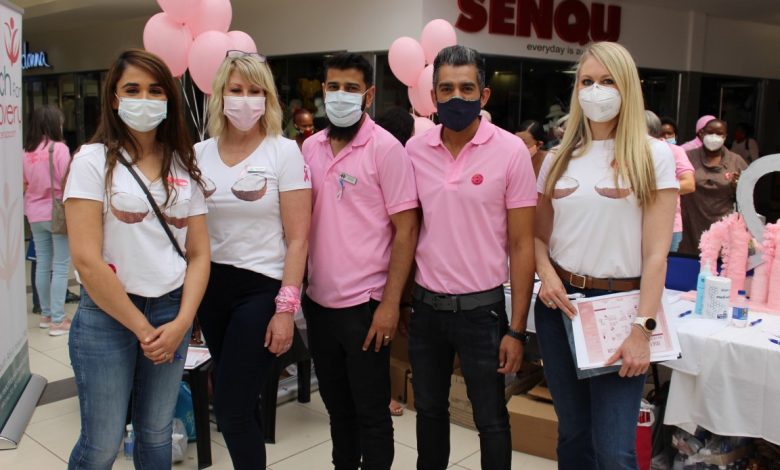
All women are at substantial risk for breast cancer. We know that of all woman who have been diagnosed with breast cancer, 75% do not have any risk factors. Women who are screened are less likely to die of breast cancer.
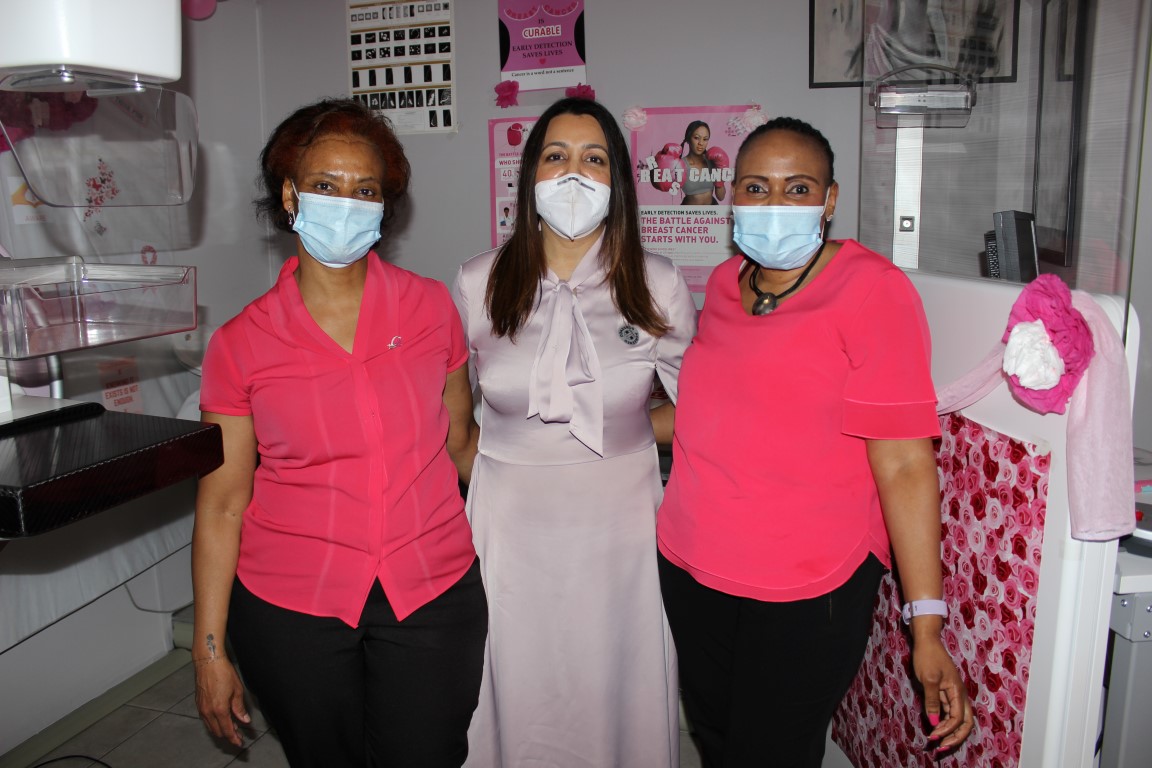
Mammography is the only modality that has been proven to decrease mortality. Dr De Villiers and Partners will be giving 10 mammograms to women selected by Drs Docrat and Breytenbach from the Krugersdorp Breast Centre. We have a specialised breast unit with a dedicated female mammography team, led by our very own expert female breast radiologist, Dr Abdurahman. Our mammograms are supplemented by breast ultrasound.
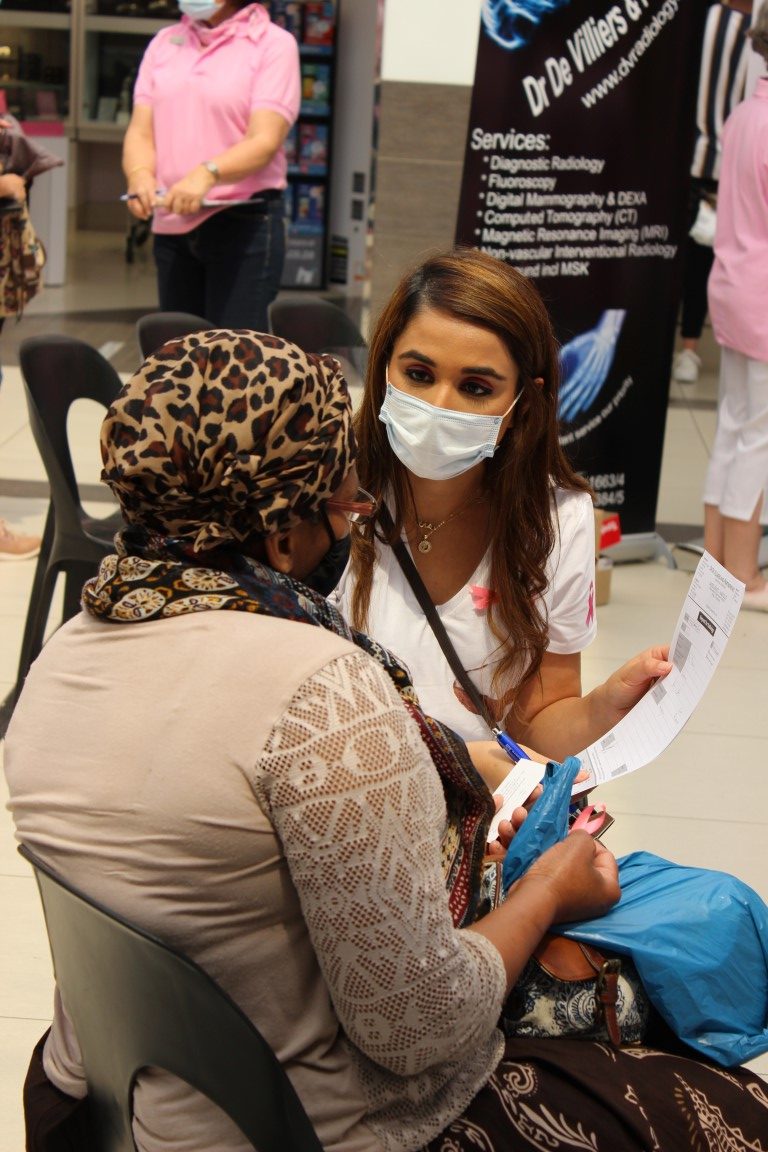
The combination has proven effective in screening and in making a conclusive diagnosis in breast cancer. We also offer breast MRI to young women who have genetic risk factors and a significant family history. We follow the recommendations from the American College of Radiology (ACR) that “average-risk women start getting annual mammograms at 40”. High-risk patients should begin by age 30.
Recent controversial guidelines are now recommending that the starting age should be 50 and the frequency should be every 2 years. This is based on out-of-date studies and does not represent the latest mammography techniques.
Physicians are encouraged to discuss breast screening with women in their forties as 20% of breast cancer diagnoses and mortality occurs in this age group. We are offering mammograms at a special rate this month. We care about you and are definitely getting it right!
Watch here:
Krugersdorp Breast Unit; Beating Breast Cancer through Education and Awareness
By Dr Fathima Docrat
General Surgeon at Krugersdorp Netcare
MbChb, Mmed (Surg), FCS (SA)

“October” is breast cancer awareness month, and we at Netcare Krugersdorp
Hospital are passionate about supporting the awareness for breast cancer, in our
untiring effort to create awareness and reduce the stigma of breast cancer through
education. Our primary focus is increasing attention, early detection and treatment. Krugersdorp Breast Unit offers a team of experts in various fields of breast cancer management that work collectively to provide the best treatment available.
Breast cancer is the most common type of non-skin cancer and most frequent cause of cancer death in women worldwide, with a lifetime risk of 1 in 25 in South Africa.
What is breast cancer?
Breast cancer is a group of diseases in which cells in the breast tissue change and divide uncontrolled, typically resulting in a lump or mass. Most breast cancers begin in the lobules (milk glands) or in the ducts that connect the lobules to the nipple.
What are the high-risk factors?
Increasing age-data has shown that the risks of breast cancer increases with older age. The risks of breast cancer for women 70 years and older is 1 in 14
Females-breast cancer occurs 100 times more frequently in women, than in men.
Menstrual cycle-risk increases with earlier menstruation and later menopause.
Family history of breast cancer-a women with a first-degree relative (parent, child or sibling)diagnosed with breast cancer are at an increased risk for the disease compared to women without a family history. Risk of breast cancer is approximately 1.5 times higher for women with one affected first degree relative and 2-4 times higher for women with more than one first degree relative. Genetic Predisposition, inherited pathogenic genetic variations in BRCA1 and BRCA2 account for 5-10 % of all familial breast cancer.
Lifestyle factors-alcohol and smoking are factors associated with an increased risk.
Factors that are not associated with breast cancer are; abortion, brassiere and breast implants.
What are the signs and symptoms of breast cancer?
Breast cancer typically has no symptoms. However, a small tumor is easily treatable. Therefore, screening is imperative for early detection of breast cancer. The most common physical sign is a painless lump. Breast cancer can also spread to the underarm lymph nodes, causing a lump or swelling. The less common signs and symptoms may include breast pain, swelling, thickening or redness of the skin, nipple changes such as spontaneous discharge and scaliness or retraction.
How is breast cancer diagnosed?
Breast cancer is detected either during screening before symptoms have developed or after noticing a lump. Depending on age and density of the breast either a mammogram or ultrasound will be done or in majority of case both will be needed. Subsequent to detection, a tissue microscopic analysis is usually obtained from a needle biopsy.
How is breast cancer treated?
Treatment has to be individualized and is based upon several factors. Optimal management in most cases require collaboration between surgeons (breast surgeon and plastic surgeons) and physicians who specialize in radiation and medical oncology.
Most patients with breast cancer have one or more of the following options:-
*Surgery to remove the cancer. People can choose between two types of surgery Mastectomy (removing the entire breast) Breast conserving surgery, (breast is retained, cancer and a small section of healthy tissue is removed) In each of the above some axillary lymph nodes will also need to be removed.
*Radiation is used to destroys cancer cells
*Chemotherapy is medication that destroys cancer cells or stops growth.
*Hormone therapy is used to treat some breast cancer which grow in response to hormones.
*Targeted therapy medication that work on cancers that have certain characteristics.
Conclusion
There are two significant aspects in breast cancer prevention: ‘early detection’ and ‘risk reduction’. We are at Krugersdorp Breast Unit are here at your doorstep with a team of experts to assist you. “Big or small, save them all”
THE ROLE OF THE PLASTIC SURGEON IN BREAST CANCER
By Dr JM Breytenbach
Our Vision
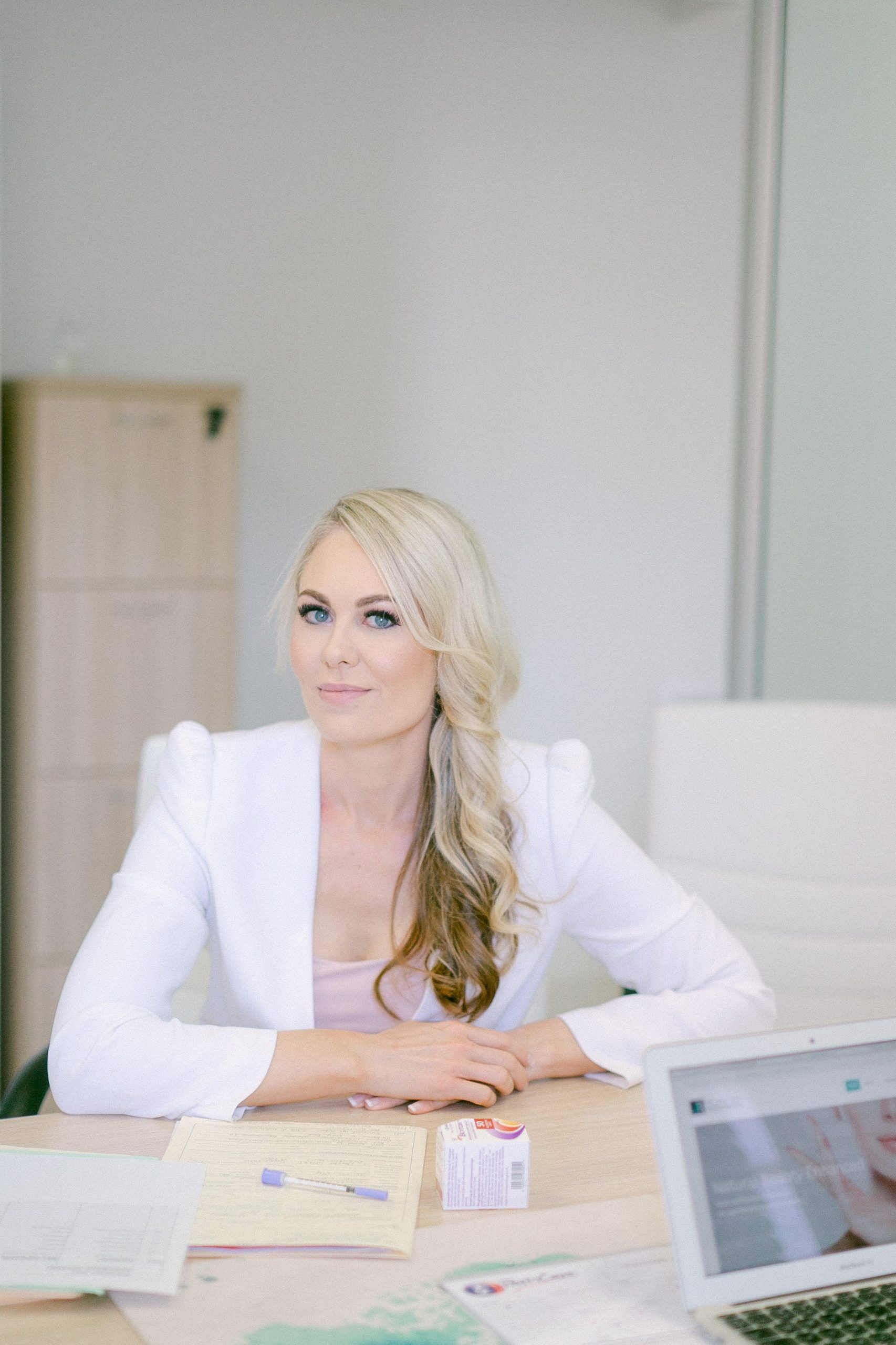
At Krugersdorp Breast Unit we believe in treating every patient holistically. We pride ourselves in being a female only team. We believe that every patient needs to be well informed of her disease and treatment options. Each treatment plan is individualized with our team.
Our team include the breast surgeon, plastic surgeon, psychologist, physician, oncologist and physiotherapist. We make the effort to support the patient fully on her journey not only physically but mentally. Treatment plans are discussed with the multidisciplinary team and tailored to meet the needs of each patient.
Plastic Surgeon’s Role
The role of the plastic surgeon with regards to breast cancer is not only supporting the breast surgeon but also making sure that whatever treatment plan is followed, that a suitable reconstruction can be tailored to the specific patient. Each patient is assessed individually and time is taken to make sure that the patient understands her disease process and know what her reconstruction options are. Each breast cancer patient is seen by the plastic surgeon to inform her of reconstruction options even if she wishes not to have a reconstruction. This is done to help the patient make an informed decision. A lengthy consultation is booked to discuss the disease process and treatment options and family members are encouraged to join. We always schedule a follow-up consultation to discuss the final treatment plan and answer any questions before the day of surgery.
Does my medical aid cover breast reconstruction?
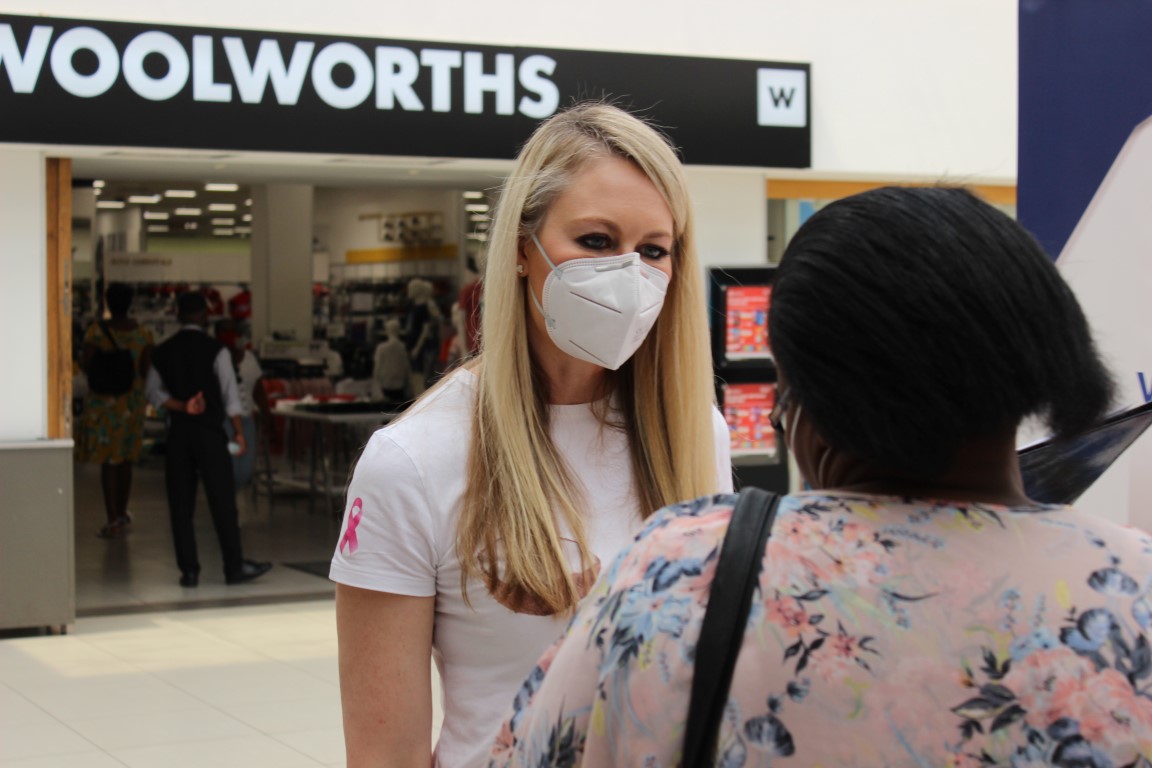
Yes, medical aid does cover breast reconstruction. A motivation letter with a detailed discussion of the treatment plan and lasted biopsy results will be provided to the medical aid to facilitate authorization for the process. And yes, most medical aid also pay for implants if that is the suitable reconstruction that is opted for. Most medical aids also pay for surgery on the non-effected breast, to help the patient get the best possible symmetry after her operations.
What does breast reconstruction entail?
Breast reconstruction can be done with your own tissue (autogenous) or with the option of implants or a combination. Most of the time the reconstruction is done after confirmation of cancer removal with either a pathologist in theatre or after breast have been removed previously. A discussion of the option of addressing the breast that was not affected by cancer with at the breast reconstruction surgery is also done. This is done to get the best possible symmetry. Most of the time the breast reconstruction will be done at stages to get the best possible results.
Reasons women opt for breast reconstruction
Most women choose breast reconstruction to be able to fit better in their clothes and eliminate the need of an external prosthesis. Feeling more balanced and “whole again” after breast removal, especially to keep their femininity and improve their sexuality. It also helps to not be so preoccupied with cancer and studies shows that females experience less depressive episodes.
What makes me a good candidate for breast reconstruction?
A good support system is very important. Also take charge of your health by having a healthy diet, stop smoking and reducing alcohol consumption. Know your biopsy results and discuss your cancer with your doctor. Bring your husband to your consultation and make the decision as a team. Have patience with the process and ask questions. Make sure you have the information of all the options before choosing a reconstruction. Celebrate your life and look after yourself mentally by seeing a psychologist to work through the journey.