
Mental health ‘a human right’ – Leratong
Leratong Hospital recently hosted a suicide awareness campaign to teach others the tools to recognise the signs to help those with suicidal thoughts.
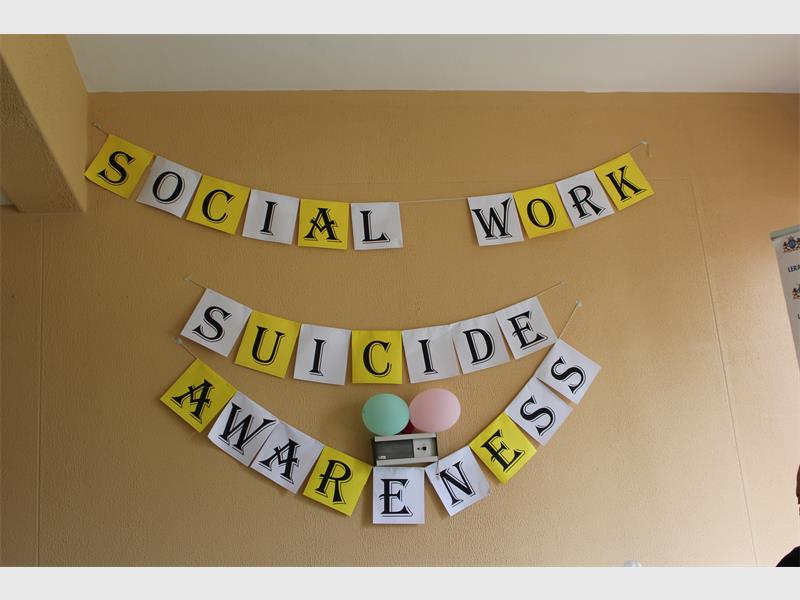
With the pressures of everyday life being amplified by the Covid-19 pandemic, the social workers team from Leratong Hospital hosted a suicide-awareness morning to shed more light on this growing issue.
Social workers, hospital management and other stakeholders gathered at the hospital on Wednesday, 27 October all dressed in something yellow.
The aim of the event was to provide those in attendance with the tools to identify and help those who could become victims of suicide, as well as support those who have lost a loved one because of suicide.
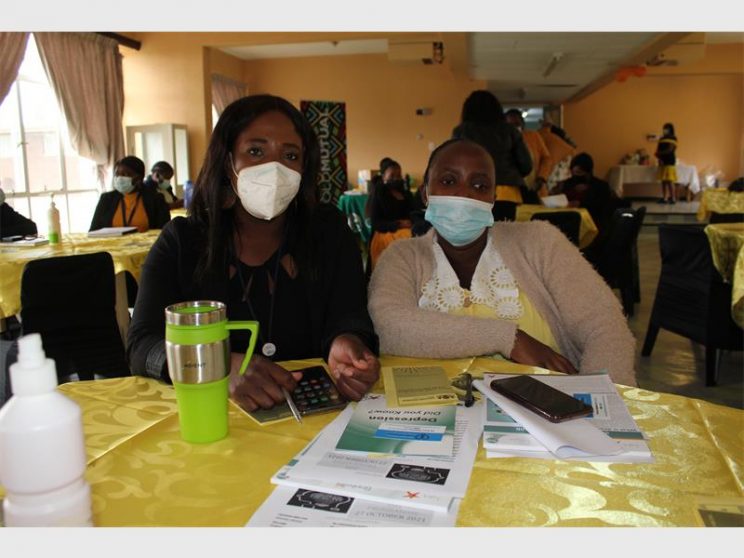
Leratong Hospital’s CEO, Dr Dieketseng Portia Moloi emphasised that October was Mental Health Month and said perhaps by taking care of our mental health we could do something to help prevent suicide. She especially mentioned the matric learners who had started their exams, and said it is known that many of them sometimes feel suicidal during these times.
She hoped that the awareness campaign would equip them better for the future.
Goitsemang Botes, a social worker from Leratong said mental health is something that can not be seen, unlike your physical well-being, and sometimes people shy away from talking about it for this reason.
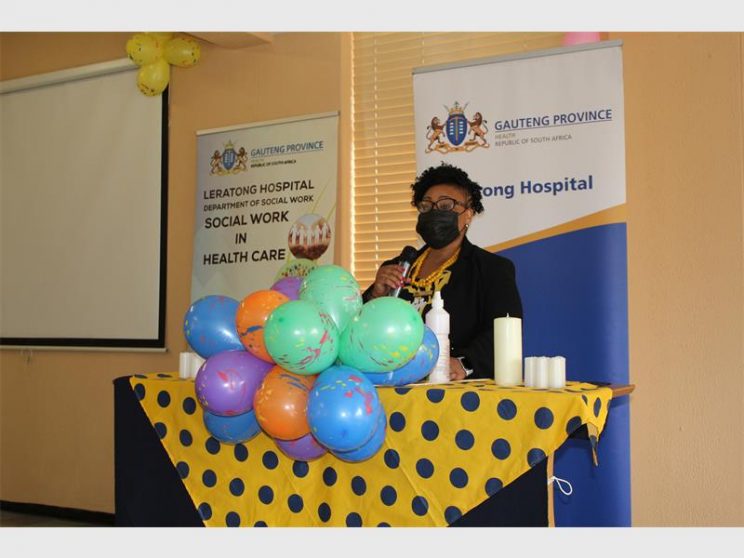
She mentioned that Covid-19 has put added stress and pressure on people, and it simply cannot be ignored
“Mental health is a human right. We need to make it a reality so that people are aware of it,” she said, adding that as healthcare workers they have not had a break since the start of the pandemic, and that was one of the things that could lead to increased mental health issues.
Maddie Mononela, a Leratong social worker, told the attendees that it is estimated that 3 000 people commit suicide in Africa every day, and one million people worldwide. That comes to one suicide every 40 seconds worldwide.
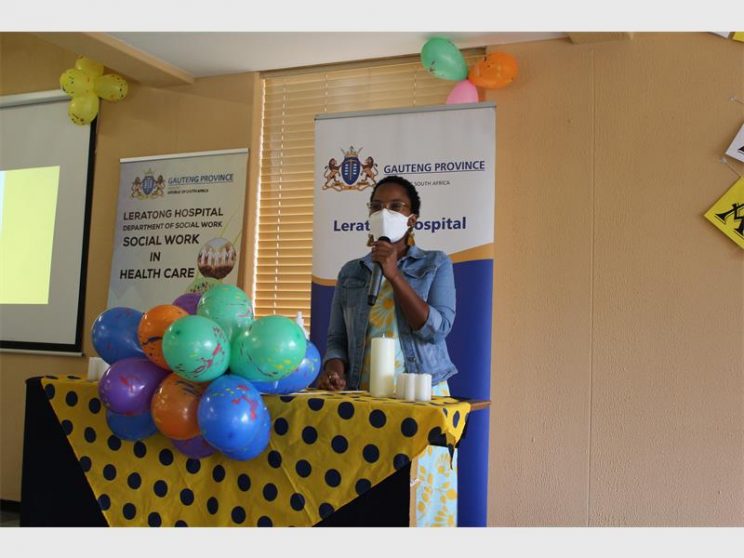
Goitsemang said a study done in five of South Africa’s provinces showed that 18% of deaths in these provinces were the result of suicide, and 79,2% of these were males.
Some additional information:
What contributes to suicide:
• Social problems, for example unemployment, poverty and homelessness
• Financial problems
• Biological or medical issues, like getting a bad medical diagnosis
Suicide warning signs:
• Statements about feeling hopeless and worthless
• Excessive drinking and other destructive behaviour
• Social isolation and a negative view of themselves
• Loss of interest in activities
• Threats of suicide
Everyone is at risk but people who are more vulnerable are those:
• Who have attempted suicide before
• Who have self-harmed before
• Who have lost a loved one to suicide
How you can help someone with suicidal thoughts:
• Assist in solving conflict or problems
• Do not judge
• Show compassion and empathy
• Listen
• Do not make assumptions
• Offer hope