
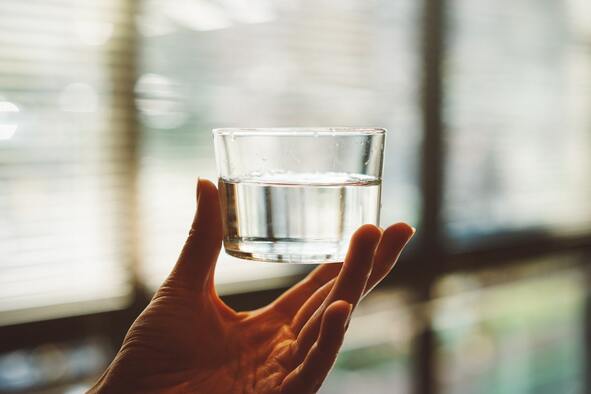
Despite a disturbing study by the Mangosuthu University of Technology and the Council for Geosciences, the Mogale City Local Municipality (MCLM) said they wished to assure the community that the municipal water is safe to drink and is not in contact with any groundwater or surface water contaminated by mining water discharges.
According to the study titled “Determination of Potentially Harmful Element (PHE) Distribution in Water Bodies in Krugersdorp, a Mining City in the West Rand, Gauteng”, high concentrations of potentially harmful elements (PHE) have accumulated in water bodies in Krugersdorp due to post-mining activities.
PHE are defined as “… elements that are toxic at certain concentrations to one or more species, but in many cases are also essential nutrients at lower concentrations …”. According to the study, “These metallic elements, metalloids, and trace elements are viewed as systemic toxicants that are known to induce numerous organ damages, even at lower levels of exposure.
“In moderation, some of these PHE, such as cobalt, copper, chromium, iron, magnesium, manganese, molybdenum, nickel, selenium, and zinc, are considered essential elements needed for the normal functioning of the human body”.
Some of the elements that have been identified in dangerously high concentrations are cadmium, chromium, lead, mercury and metalloid arsenic, and “… are highly toxic and are known carcinogens and therefore of great public health concern”.
The study went on to say that “South Africa, as a developing country, still has a large population of rural and low-income communities, which are largely dependent on groundwater for essential daily activities, such as drinking, cooking, washing clothes, and crop irrigation. Chronic exposure to heavy metals can result in a range of health issues, such as cancer, cardiovascular diseases, body disorders, and rare skin conditions.”
The study also said that, “Krugersdorp has a long history of gold mining and ore processing activities and has contributed to the formation of acid mine drainage (AMD), which has infiltrated into the water in the vicinity of the abandoned mines and surrounding landfills … [and] that large amounts of mine pollutants produced mostly in the form of AMD have entered the hydrological system and other environmental compartments of the Krugersdorp Game Reserve through ground and surface waters, over several decades of gold mining. These pollutants have caused modifications to natural element cycling in the Krugersdorp Game Reserve and adjacent ecosystems.”
The News asked Mogale City Local Municipality (MCLM) to comment on the study.
Retha Britz, Assistant Manager for Scientific and Quality Control Services at Mogale City Water Services commented on the water issues while Stephan du Toit, Assistant Manager at Environmental Management commented on issues regarding Krugersdorp Game Reserve:
• Is Mogale City municipal water safe to drink?
The study refers to the high concentrations of harmful elements found in samples collected from bodies (rivers) of water around the mining area. It should be noted that the elements were found in groundwater as well as surface water bodies, especially around the mining water discharge catchment area.
MCLM would like to advise people who make use of borehole water or surface water from rivers, whether for drinking, irrigation, or agricultural purposes to always submit a sample for analytical tests to avoid health threats to human and animal health.
• Where does MCLM source its drinking water?
Rand Water is the sole bulk service provider of municipal drinking water to MCLM. Rand Water as a regulated Water Service Provider subjects the raw water to extensive and complex advanced technological water treatment processes to produce healthy and safe drinking water which complies with SANS 241 regulatory standards for drinking water. The quality of treated water is monitored through an ISO 17025 Laboratory Accreditation Quality Management System as well as other quality control measures such as ISO 9001 and ISO 14001 quality management systems. These processes safeguard and assure the millions of citizens supplied with drinking water by Rand Water and its clients on the safety of the drinking water distributed.
Mogale City Local Municipality as well as Rand Water monitor the water provided to the community daily.
• Please comment on the study’s findings with regards to Krugersdorp Game Reserve?
With regards to the enquiry related to AMD entering the water system and other environmental sections of the Krugersdorp Game Reserve, it should be noted that water quality is regularly monitored by Sibanye Stillwater who are also in possession of the report. Feedback from Sibanye is that the report is firstly sensational, inaccurate and it does not meet the current water quality monitoring criteria. Since its alleged findings place some liability on Sibanye due to the “polluters pay” principle which requires them if proved accountable, liable to cover the social and environmental costs, the mining and metals processing group is reviewing the article and remains confident that its findings have been incorrectly presented to the media. This review report or findings will also be made available for media and public consumption once finalised.
The Municipality notes that the water quality around 2011 was worrying but recent monitoring shows a major improvement. As much as what is hidden in the sediments may create some concern, it should also be driven out over time.
In conclusion, the respondents for MCLM said, “MCLM also advises people to request analytical tests on any water not being supplied by MCLM. MCLM’s Department of Utilities Management Services: Section Scientific and Quality Control Services can be contacted directly in this regard.”