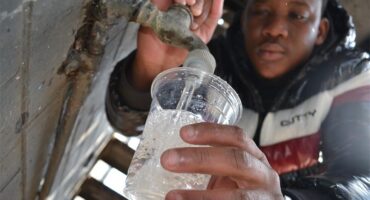
Poor conditions at Noordheuwel Clinic raise service delivery alarms
Shocking conditions at Noordheuwel Clinic raise new concerns about the state of public healthcare on the West Rand.
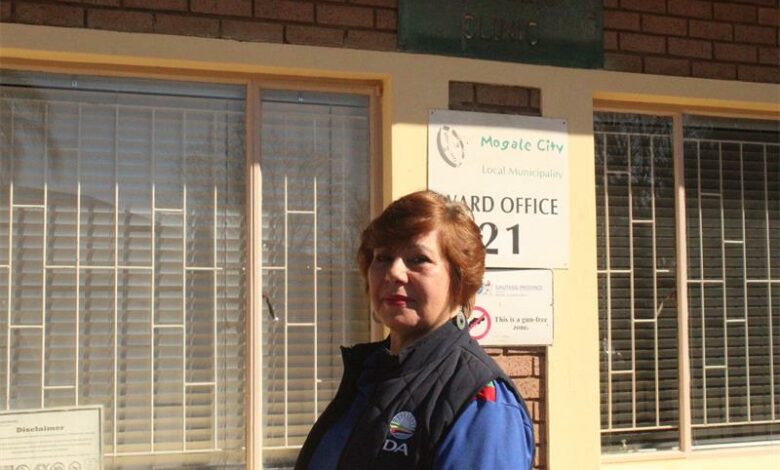
The conditions at Noordheuwel Clinic have raised questions about the quality of service in the West Rand District’s public health sector and the ability of government stakeholders to deliver services to citizens who need them most.
The clinic is currently facing various issues, including sanitation, electricity, and staff shortages, which make it challenging for patients to receive proper care.
According to Mogale City Ward 21 councillor Lynn du Toit, there have been numerous oversights at the clinic, and multiple reports have been made to raise awareness of the issues. However, nothing has been done to address the problems affecting the facility.
Du Toit stated that when the clinic first opened, it was only open two days a week, yet sick patients from afar flocked to it, claiming it provided the best service.
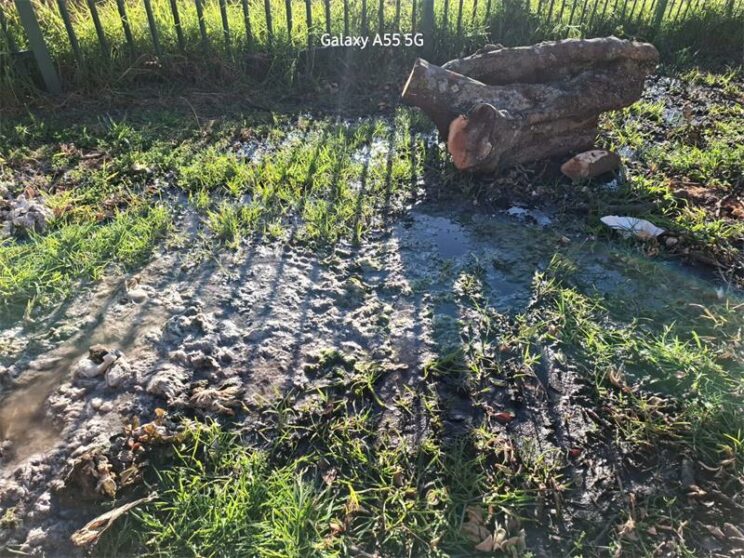
“As a result, the number of patients has increased drastically. Services are severely limited by the clinic’s size and staff shortages, as many SASSA beneficiaries, indigent patients, care workers, business staff, gardeners, and domestic workers in the area also rely on the facility. Some issues stem from the rise in patient numbers, while others, such as the sewerage problem, are partly due to the influx of patients and partly due to neglect and lack of maintenance by the municipality and health department, which have failed to address these issues,” Du Toit explained.
The clinic serves, Du Toit added, between 50 and 100 patients a day, but the space is too small for its 10 staff members.
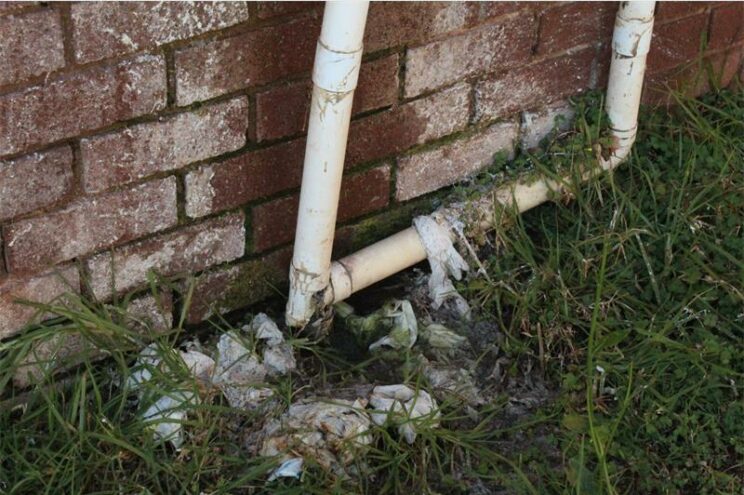
“The staff are overworked, often working long hours and staying after hours to complete reports and admin tasks, which are all handwritten due to the lack of computers and other equipment needed for efficient record-keeping. Other problems include power outages, blocked toilets with human waste, and toilet paper bursting from pipes inside the building, creating health and environmental hazards,” she said.
The Krugersdorp News contacted the West Rand Health District for comment, and they confirmed they are aware of the issues surrounding the clinic and are working towards resolving them.
According to the department’s communication officer, Nomagugu Hloma, the clinic is inspected twice a year under national environmental health norms and standards for premises, including acceptable monitoring standards for environmental health practitioners. Additionally, monthly follow-up inspections are carried out by the regional district department.
Hloma said the health district’s Infrastructure Unit is addressing the current sewerage challenges, working with the Mogale City Local Municipality (MCLM).
“While the clinic meets the minimum standards of quality according to the department’s norms and standards, the department has the authority to immediately close the facility and suspend health services in any facility that fails to meet the minimum required national norms and standards,” Hloma stated.
DA Gauteng Spokesperson for Health and member of the Gauteng Legislature, Madeleine Hicklin, said to the media that the poor service delivery constitutes a violation of residents’ constitutional rights to access healthcare. She described the struggles of Noordheuwel Clinic as a reflection of the government’s failure in healthcare management. After visiting various primary healthcare clinics in Gauteng, the significant impact of healthcare policies, whether positive or negative, was highlighted.
“There is no pharmacist or phlebotomist available to draw blood, and no back-up staff or locums readily accessible. Perhaps that is a blessing, as there is nowhere to accommodate them if they were on site. The reception area, where patients check in, is quite small. It can accommodate about 30 people; however, many patients are forced to queue outside. The clinic manager’s office only contains a desk and chair donated by a member of the public, along with the only computer in the clinic,” Hicklin explained.
She also confirmed that the women’s ablution facility has a toilet that constantly runs, and there is a tap outside the building that drips continuously, wasting litres of water each day. Both issues were reported multiple times but remain unresolved. Additionally, the large water tank outside is full of water; however, the motor is not functioning.
The clinic heavily depends on intergovernmental stakeholders to communicate and address these issues.
Du Toit reiterated that MCLM is responsible for water and utility management, while the Department of Health oversees equipment and personnel matters.
The News contacted MCLM for comment, but no response was received at the time of print. Their feedback will be published once received.