From farms to schools: MEC strengthens youth and food security
Community voices take centre stage as MEC engages residents on recovery, youth opportunities and food-growing projects across the West Rand.
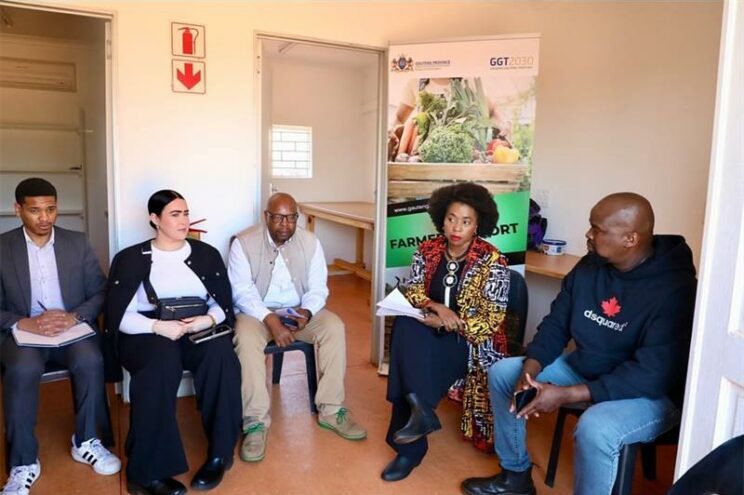
Community members, youth groups and local food growers gathered in Kagiso this week as the Gauteng Anti-Substance Abuse Programme continued its outreach across the West Rand.
Instead of formal speeches and ribbon-cutting, the sessions focused on open conversations about recovery, local opportunities and the realities facing young people. Residents spoke about the pressures that fuel substance use in their neighbourhoods – from unemployment to boredom – and what support they need to move forward.
MEC for Agriculture and Rural Development, Vuyiswa Ramokgopa, encouraged families and community leaders to keep working together long after recovery programmes end.
“Substance abuse doesn’t happen in a vacuum,” she told residents. “If we want lasting change, we have to create real opportunities for our youth and keep supporting each other.”
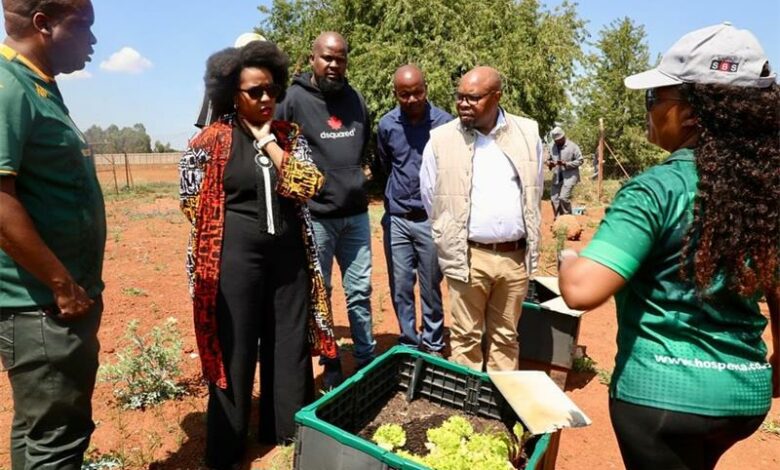
As part of the campaign, the MEC visited several community-run agriculture projects across the West Rand to see how they support food security and youth development. Farmers and gardeners in Krugersdorp, Randfontein and surrounding areas shared their successes and frustrations, from accessing markets to keeping projects sustainable.
One of the stops included Zuurberkom Clinic, where staff and volunteers run a food garden that provides fresh produce to patients living with chronic illnesses. They told the MEC how the garden helps families stretch their budgets while improving nutrition.
At DK Piggery, local farmers used the opportunity to raise concerns about rising feed costs and limited market access. They said more co-ordinated support could help the sector grow and create jobs.
The visit ended at Zuurberkom Primary School’s Seeds of Life Project, where pupils proudly showed their crops and explained how the garden supports both the school and surrounding families. Teachers said the project has sparked a growing interest in agriculture among learners.
Residents who attended the various stops said the programme’s value lies in connecting community efforts – recovery, food security and youth skills – rather than treating them as separate issues.