
Pros ask fellow cyclists to take it easy when cycling in the rain
Professional cyclists JC Nel and Pieter Seyffert provide a few tips on how to safely cycle in the rain, and what dangers to look out for.
Krugersdorper’s don’t back down when it comes to fitness. Just head out one late afternoon and you’ll see fitness junkies all around heading to the gym or hitting the asphalt for an adrenaline-filled cardio session.
Runners and cyclists in particular can hardly go a few days without working out.
With the above-normal rainfall this summer leaving the roads wet and slippery, you’d think this lot would be deterred. The most dedicated runners and cyclists bear the wind and rain all the same. For the former, though, it’s as easy as strapping on running shoes and, maybe, putting on a rain jacket if the weather isn’t too harsh.
Cycling, on the other hand, is a far more complicated sport to get into, considering the equipment you’ll need that is bound to leave a large hole in your pocket. So, those who choose to cycle and invest a fair amount of money into it usually are pretty dedicated.
Heading out on a wet road on two thin tyres can be very dangerous, though, if you’re not properly prepared.
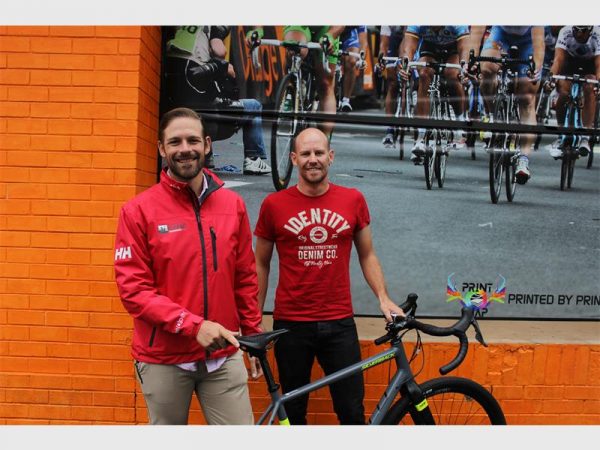
Pieter Seyffert and JC Nel from the Cadence World bicycle shop, both international-level cyclists, have a few tips and warnings for cyclists who cycle in wet weather.
“We usually say: When the rain drops, the riding stops,” said JC. But, knowing that cyclists would still want to head out, he recommended, “Make sure you have a quality, light coloured, highly visible rain jacket. Wear your helmet, be visible to traffic, use lighter cycling sunglasses and use a bicycle light.”
Pieter added, “Remember, visibility is much lower. You have to anticipate more; give yourself space to stop and turn properly. Riding on the road, you’ll want to have a lower, softer tyre pressure. Off-road, you want your tyres a bit firmer to push away the mud instead of riding on top of it and slipping. On the road, stay away from painted lines, which are more slippery than the road surface.”
JC also warned against water puddles, explaining that water usually seeps into soft ground and collects on hard ground. Be prepared for hitting that hard spot and adjust accordingly if it cannot be avoided.
“As with every scenario on a bicycle, think about the traffic around you. Ride as though a car isn’t going to stop for you,” was Pieter’s final piece of advice.