
Alternatives to alcohol this vacation
Increasing numbers of adult drinkers around the world are passing up on their traditional alcoholic beverages as trends show a shift to the no- and low-alcohol beer categories.
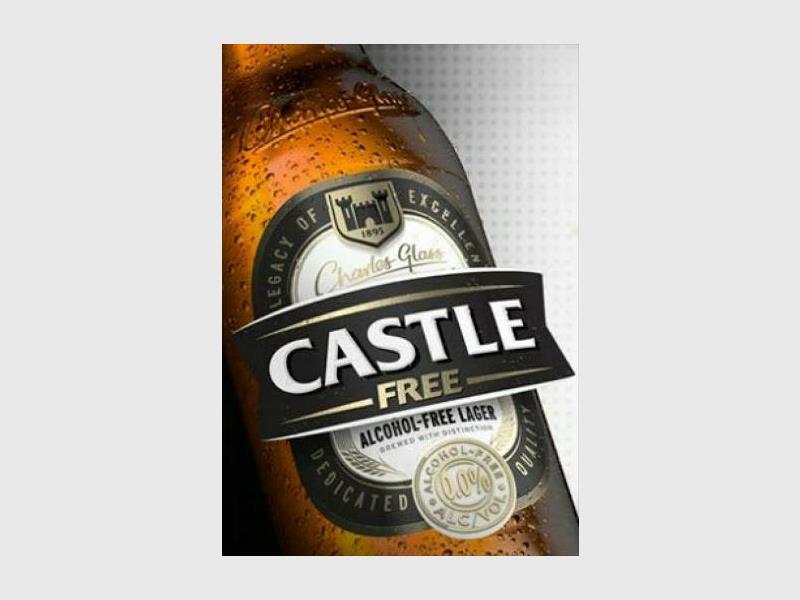
A worldwide trend has recently been given new life, and more and more people are turning to no- or low-alcohol drinks. There are plenty of reasons to do so, but one important reason to consider doing the same is to remain safe this vacation, especially when going out.
South African Breweries (SAB) and Corporate Image have provided the following information on alternatives to alcoholic beverages.
Increasing numbers of adult drinkers around the world are passing up on their traditional alcoholic beverages as trends show a shift to the no- and low-alcohol beer (Nablab) categories.
According to global market research company Nielsen, Americans are no longer as loyal to their historic adult drink of choice, whether it’s because they’re tapering off their consumption, adapting habits to improve general health and wellness, or simply opting to try something new. A Nielsen survey in 2019 found 47 per cent of adult drinkers wanted to reduce their alcohol consumption to lead a healthier lifestyle, and South Africa is no different.
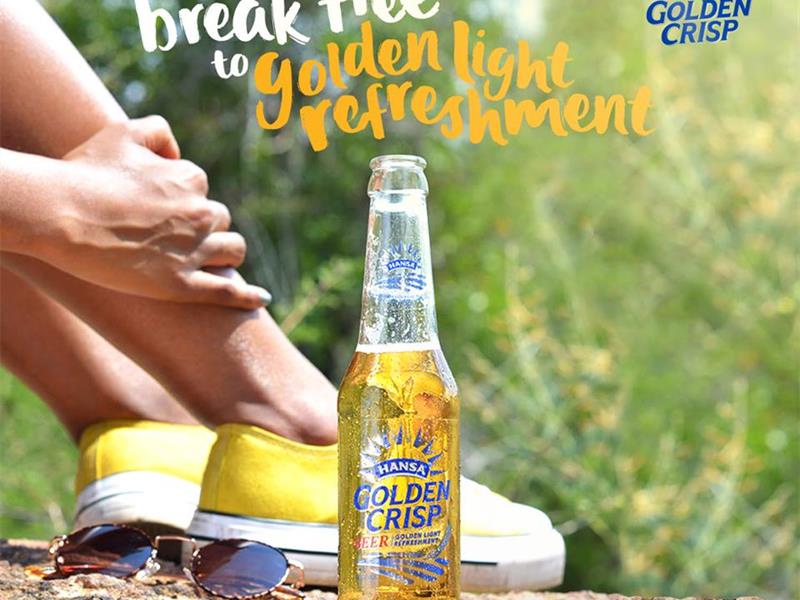
The recent ‘Dry January’ movement demonstrated how health and wellness trends are taking hold across the world. Upon inspection, you will find the shelves of your local bottle store teeming with an ever-increasing number of Nablab products. Around the braai, you might have noticed your friends cracking open a Castle Free, which offers a real beer taste without the alcohol, or a Hansa Golden Crisp, brewed in an easy-drinking low-alcohol style which has already taken Latin America by storm.
Non-alcoholic beer first made an appearance in America during Prohibition in 1919, when it was decided that the strongest a beverage could be was 0,5 per cent alcohol by volume. In bygone years, sampling the Nablab range was said to be little better than drinking flavoured water, but with improvements in brewing techniques, producers can now control the amount of alcohol created, rather than simply de-alcoholising the end product. This means beers retain their flavour.
“An alcohol-free beer offers people the freedom of choice to still enjoy the taste and the sociability of a beer, and the sense of belonging from having a drink with one’s friends, but without the alcohol,” said Zoleka Lisa, Vice-president: Corporate Affairs at SAB.
“It also allows the drinker to have a safer consumption experience by practising ‘pacing’ – combining the consumption of alcohol-containing beers with alcohol-free beers as a means of moderation.”
Pacing is an important component of moderate drinking.
“The practice of pacing allows for safer and smart drinking options because a lower intake of alcohol over longer periods gives the body time to break down the alcohol at a steady rate, therefore accumulating less alcohol,” Lisa said.
A few options for alternatives to beer include:
• Castle Free (no alcohol)
• Becks’ Blue (no alcohol)
• Hansa Golden Crisp (3,5 per cent alcohol)
• Flying Fish Chill Lite (3,5 per cent alcohol)
• Castle Lite (4 per cent alcohol)
• Lion Lager (4 per cent alcohol)
• Savanah Lemon (0,3 per cent alcohol)