GRAVELOTTE: A mercy mission to save four elephants ends in disaster
'It was either this or bullets'
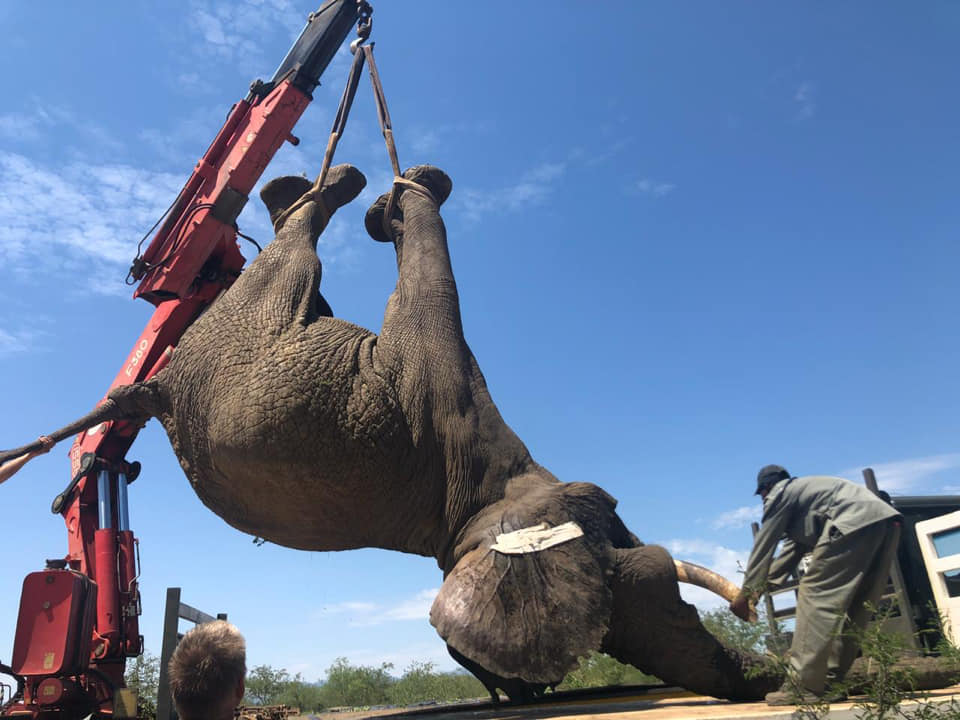
Four rogue elephant bulls that were causing havoc in the Gravelotte area last week died during a relocation attempt that took place on Saturday. Their deaths allegedly attributed to blatant bureaucratic inflexibility.
The four bulls were traversing in the Gravelotte area for almost a week before the relocation attempt. In this time, they had caused significant damage to fences and farm infrastructure in the area.
Many farmers local to the area had reached their wits end and multiple farmers had threatened to shoot the animals.
Moreover, The Limpopo Department of Economic Development, Environment and Tourism (LEDET) were aware of the situation and permits were already in place for the animals to be destroyed.
On Wednesday last week, LEDET were already tracking the animals with the plan to dispatch them, the operation only being called off due to bad weather.
Read: Warden found guilty of illegal hunting of an elephant
Concerned local residents reached out to the NGO, Elephants, Rhinos & People (ERP), on Wednesday in order to try and intervene and find another solution to the issue. Local NGO’s were also contacted but no plans were not put into action.
The Director of Operations for ERP, Dereck Milburn, told the HERALD, “We got the call on Wednesday and immediately called LEDET. We sent an advanced party to the area on Thursday to try and establish how many animals it was and the size of them.”
When ERP found out that three of the four bulls were of a large size, they realised that their family-sized crate would not be large enough.
Milburn told the HERALD that they then requested more time from LEDET, asking to start the process on Sunday with the aim to capture the animals on Monday, this giving them time to source larger crates.
Milburn advises that LEDET categorically refused and gave them a deadline until Friday to capture the animals, also stating that as of Friday, all responsibility for the animals would rest on ERP’s shoulders.
Read: Local lions are off to Mozambique
This implied that any costs incurred from damages caused by the animals or human deaths caused by the animals, full responsibility would land on ERP. Without the time extension, ERP were forced to make use of limited equipment, namely no crates. So instead the elephants were to be transported from the Gravelotte area to their new home on the back of flatbed trailers.
Up until and including Friday, ERP paid for unlimited flying time to keep an eye on the elephants’ movements so that they could be chased back to a safer area should they wander into local villages or onto properties where the owners had threatened to shoot them.
Balule Nature Reserve agreed to take ownership of the animals, with ERP fitting the bill for all capture, helicopter and veterinary costs, which summed well over R300,000. Kester Vickery, an elephant relocation specialist was also flown in from KZN to assist.
The flatbed trailers arrived on Friday afternoon but the team decided not to take the risk of starting the operation with the daylight hours due to fade. According to Milburn, the team checked the weather report and decided that the impending thunderstorm forecast for Saturday would bring enough relief for them to carry out the procedure.
The storm never came and Saturday’s temperatures soared to unimaginable heights.
“There was enormous pressure. Local farmers were turning up saying ‘You better move them, we’re going to shoot them’ and if not, they were going to be shot by LEDET,” said Jana Meyer from Hope for Wildlife Helicopter Services. Her comments echoed by other personnel involved in the process.
“It was D-Day, if we didn’t try to catch them then, they were dead. It was a case of get hot, or get shot. It was a mercy mission,” said another person involved with the procedure.
The team took to the skies at first light on Saturday to locate the animals and by 08:00, their location was determined and the process began. However, the temperatures rose rapidly and by the time all four animals were darted, temperatures were in excess of 40 degrees.
Read: Both wild lions recaptured, after escaping in Georges Valley area
One elephant sadly passed away en-route to Balule, another died upon arrival and the last two died once they were given the reversal drug.
“They were just too weak to stand,” said Meyer. The heat of the day proved too much and the animals succumbed to the temperatures, unable to regulate their own body temperatures effectively whilst under the anaesthetic.
“I didn’t even want to get up this morning, I am devastated,” Milburn told the HERALD on Monday, “We have relocated over 200 elephants and only ever lost two before! It was either this or bullets.”
Meyer echoed the same words, “The odds were against us but no-one else was going to give it a go.”
LEDET’s spokesperson, Burkels Napo, was contacted for comment but at the time of going to press, no response was received.