More cases of common robbery in Giyani
According to the 2022 October to December crime statistics released by the Minister of Police, Bheki Cele, Giyani had an increase of 157,1% in common robberies compared to the same period in 2021.
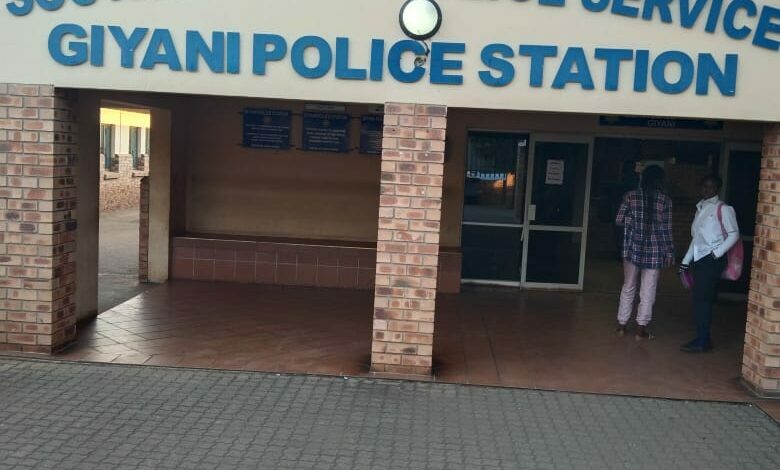
The number of cases in the three-month period rose from seven to 18 incidents reported. Rape in the Giyani area decreased by 18,9%, from 37 to 30 cases. The country as a whole documented 12 419 cases of rape, an increase of 9,8% from 11 315 in 2021. The statistics also show that in Giyani, attempted sexual offenses increased from zero cases to one case and sexual assaults also increased by one case, from one in 2021 to two cases in 2022.
Robbery with aggravating circumstances decreased by 6,7%, from 60 cases in 2021 to 56 cases in 2022. The local police station had a decrease of 40% in murders from 10 cases in 2021 to six cases in 2022. Nationwide a total of 7 555 murders were recorded, 696 more culminating in a 10,1% increase. “The majority of the murders and attempted murders are committed in public areas such as parks, open fields, and on the street. Out of the 7 555 people murdered, 3 144 people were killed with a firearm, 2 498 people were killed with other weapons such as knives, sharp and blunt instruments, bricks and in many cases bare hands,” he said.
Also read: Statistics paint a bleak crime picture
Giyani recorded four cases of attempted murder, a 42,9% decrease compared to the seven cases also reported in 2021. In crimes detected as a result of police action, drug-related crimes increased by 63,3%, from 30 to 49 cases. Police intervention was also responsible for the increase in cases of illegal possession of firearms and ammunition. It increased by 50% from four to six incidences in 2022. Carjacking cases decreased by 50% from four cases in 2021 to two cases in 2022, and robbery at residential premises increased by 50% from six cases to nine cases.
“After the Covid-19 pandemic, this was the first festive season with increased movement of people and a high number of social gatherings including family gatherings and celebrations. We pre-empted the increased festive season activities and the deployment of police to identify areas of concern was ramped up,” said Cele. The deployment included 10 000 new police constables who have and continue to increase the police’s footprint on the ground. The third quarter crime figures show that while there is an increase in contact crimes such as murder, assault, and robberies, there is a significant improvement in crimes detected as a result of police action.
Also read: Increase in commercial crime in Hoedspruit
“There are signs of improvements in crimes such as cash in transit heists and bank robberies which have reported decreases in the period of reporting. These decreases are attributed to increased police visibility through patrols, stop and search operations, vehicle checkpoints, and roadblocks. It is clear, a broader conversation must be had about what is at the heart of violent crime in the country. Gun violence is problematic and poses a serious threat. At the core of the matter is human behaviour. We have to be honest as South Africans about the causes of violence and address them.
High rates of unemployment and poverty levels, the mushrooming of informal settlements with little to no services, and other socioeconomic ills are breeding criminality,” he concluded.