Expert warns to be careful of stiletto snakes at night
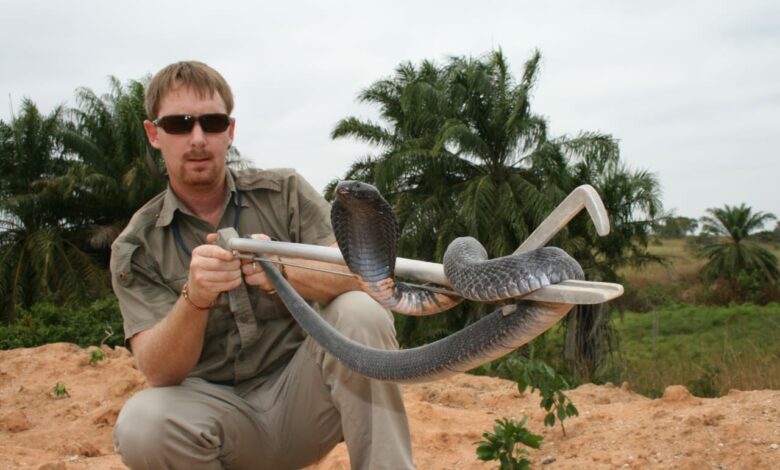
Tim Baynham of Wildlife Safety Solutions, says he majority of snake species found in South Africa are not dangerous to people or pets.
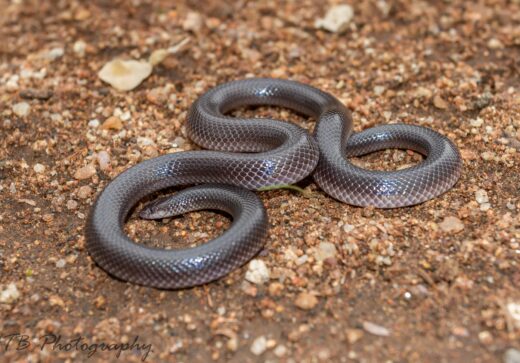
This is according to snake expert, “However, there are a few species which are commonly implicated in snake bite cases, one of which is the stiletto snake (Atractaspis bibronii). They are small dark-coloured snakes that closely resemble a number of non-venomous species. “They are therefore often misidentified and subsequently picked up and handled.
“Unfortunately, this species will almost always bite if handled and multiple bites are not uncommon. It is also important to note that it is not possible to safely pick this snake up behind the head due to the position of the large fangs,” he said. They are known by a number of common names including Bibrons Burrowing Asp and side-stabbing snake.
“The latter is derived from this species’ ability to expose one or both fangs without actually having to open their mouths. “The fangs are positioned horizontally in the top jaw and face backwards. With a quick sideways and downward jerk, they are able to stab a fang into a prey item or a potential predator, hence the name, side-stabbing snake,” he said.
Also read: Get familiar with snakes’ behaviour
“The venom of this species is predominately a cytotoxin that causes intense painful swelling, blistering and in many cases localised necrosis. “Bites should be treated symptomatically as antivenom is not effective against the venom of this snake. No fatalities have been recorded to date however young children and anyone with pre-existing heart conditions are at greater risk,” he added.
He said that adults average between 30 and 40cm in length, although they can grow larger, up to 70cm. “The body colour varies from dark brown to uniform black. The belly may be creamy white or dark brown to black. “When feeling threatened they will arch their head and neck downwards while at the same time jerking the front half of the body from side to side.
“They are a nocturnal species, meaning they are active at night, and spend most of their life underground. They will however emerge on warm and humid summer nights, especially after rain. They feed on a wide range of burrowing reptiles including other snakes, rodents and frogs. Small reptile eggs are also eaten.
Remember to use a torch at night, wear closed shoes and never try to kill or handle any snakes. Just leave them alone,” he concluded. For more, contact Tim at Wildlife Safety Solutions at 073 934 6156. Visit the website, wwwwildlifesafetysolutions.co.za or Instagram at @wildlife_safety_ solutions