GGM kick-starts Indigenous Games selections
GGM launches Indigenous Games selections to promote cultural heritage, identify top talent, and prepare for upcoming regional competitions.
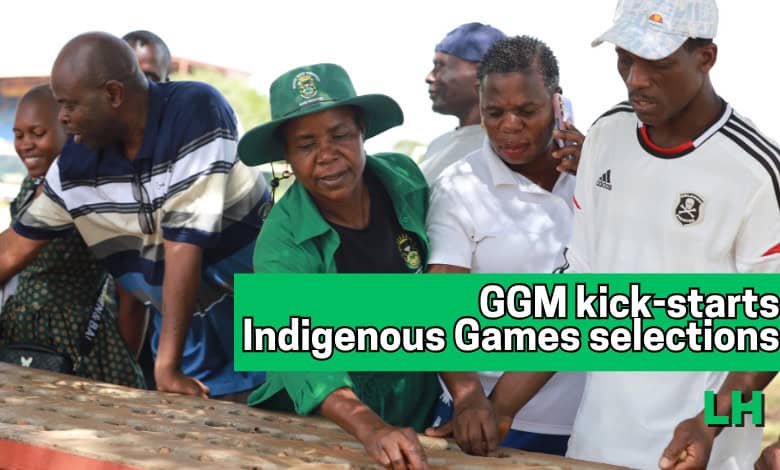
LIMPOPO – The Greater Giyani Municipality has officially commenced the Indigenous Games selection to prepare for the upcoming regional games.
This initiative aims to identify and assemble a strong team of talented participants who will represent the municipality at the regional level.
The selection process includes various traditional games that celebrate local heritage, foster community engagement, and promote physical activity among participants of all ages.
Speaking at the event, Christinah Zitha, the head of sports in Giyani, indicated that through this competition, the municipality hopes to revive and preserve indigenous sports while providing a platform for athletes to showcase their skills and compete at high levels.
“It is necessary to provide platforms like this to our communities because they offer people the opportunity to showcase their skills in local Indigenous games, activities that are deeply rooted in our cultural heritage but are often overlooked by mainstream media and are not broadcast on your television,” she said, adding that the games serve as a vital means of preserving local traditions while also fostering unity and sportsmanship among participants.
“Beyond just providing a space for cultural expression, these competitions play a crucial role in identifying and selecting the most talented individuals who will represent us at regional and provincial levels, and possibly even at the national stage,” she added.
She further mentioned that the selection process follows a strict “one winner takes all” approach, meaning that no second place is permitted.
“This competitive structure ensures that only the best athletes are chosen, as the goal is to assemble a team that can excel and bring pride to the municipality in high-level competitions,” she said.
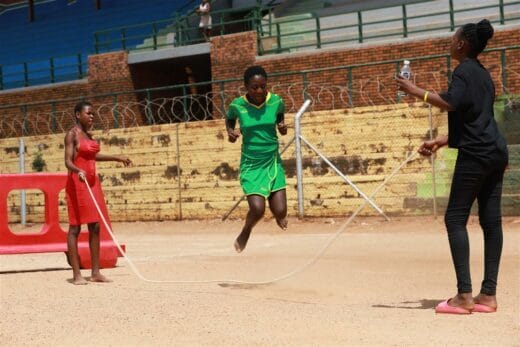
Some Indigenous Games participants participated in include Ncuva, Magava, Khadi, and Muravarava. These traditional games have been passed down through generations and hold significant cultural value within local communities.
However, in modern times, many of these games have become increasingly rare, as younger generations are either unfamiliar with them or have shifted their interests toward digital entertainment, such as television, mobile phones, and video games.
Despite this decline, Ncuva remains one of the few indigenous games that is still widely practiced, particularly among older men who continue to gather under the trees and engage in it as a social and strategic pastime.
“This game involves critical thinking and skilful hand movements.”
It is not only a source of entertainment but also a means of preserving our cultural heritage,” she explained, saying that the ongoing participation of the elderly serves as a bridge between generations, keeping the tradition alive even as other traditional games face the risk of fading away.