Rediscovered Kruger ruins reveal ancient kingdom
In 1983, a ranger rediscovered Thulamela in KNP, uncovering an ancient hilltop settlement that is now a national heritage site.
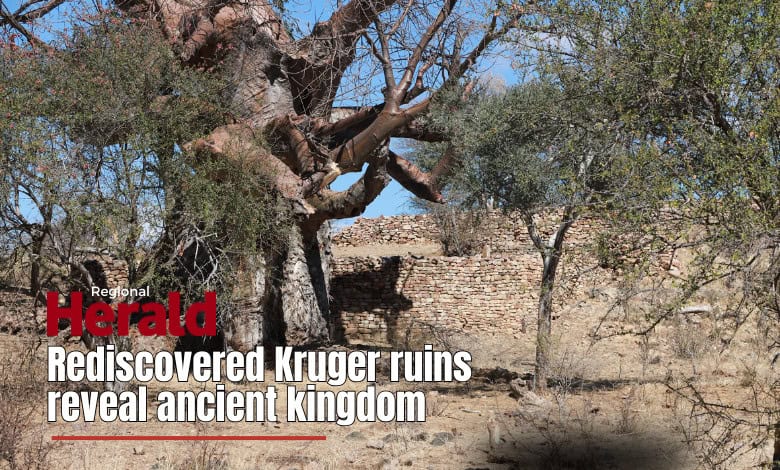
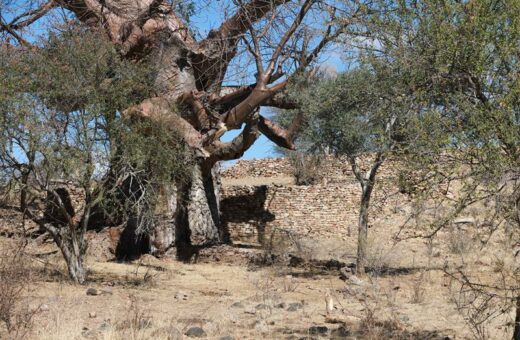
LIMPOPO – Trekking alone through Kruger National Park’s (KNP) Makuleke bushveld in the summer of 1983, a ranger paused atop a rocky hill. Below, shrouded in thorns and savanna grass, lay crumbling stone walls, enduring and untouched by time.
Curious and respectful, he marked the location and returned to camp. He later contacted a team of archaeologists to show them what he had discovered. Upon arrival, the archaeologists were stunned. These were no ordinary stones. The style, layout, and materials used all pointed to an ancient settlement, one that existed long before KNP was even imagined.
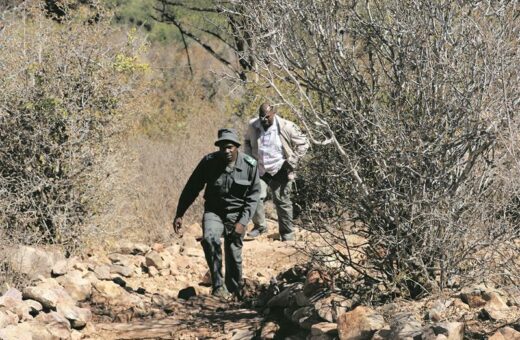
“This was the rediscovery of the Thulamela Heritage Site,” explained Daniel Shibambu, cultural heritage site officer in the park. In 1991, the ruins were named Thulamela. As excavations began, the story of this hilltop settlement slowly began to emerge.
Beneath layers of earth, archaeologists uncovered artefacts, ostrich shell beads, fragments of broken clay pots, and many other items that revealed the lives of the people who once lived there. These discoveries pointed to a powerful society that thrived there between AD 1400 and 1650.
The hilltop was home to a kingdom, not unlike Great Zimbabwe, with far-reaching trading links stretching into Botswana, Zambia, and even the distant Zambezi Valley.
“In 1993, KNP embarked on a bold mission to rebuild Thulamela’s ancient walls and recover its story. Local stonemasons were commissioned to undertake the reconstruction, and they carefully began clearing the bush and examining the collapsed stones,” continued Shibambu.
The team rebuilt the walls stone by stone, without adding new materials or using cement, ensuring everything looked as it had centuries ago.
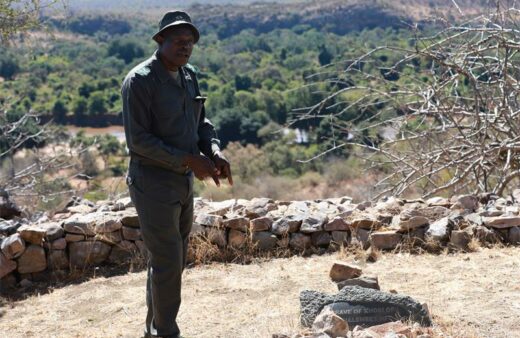
In 2024, the South African Heritage Resources Agency (SAHRA) declared the Thulamela ruins a national heritage site.
“Archaeologists believe the people of Thulamela were part of the Nyai division of the Shona-speaking Lembethu tribe,” said Shibambu.
Today, the site is a popular tourist attraction, with visitors booking tours to learn about the history of the community that once inhabited the area. It is more than just a heritage site; it is a place whose name was later adopted by the Thulamela Municipality.
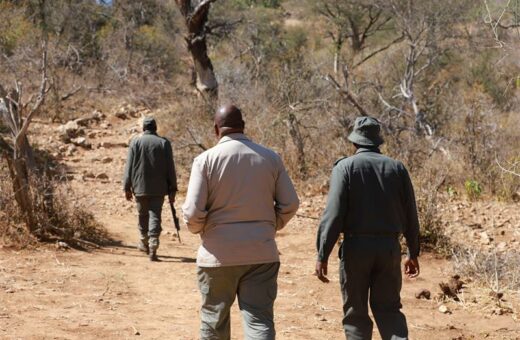
The story of Thulamela is not just buried in stone. Communities such as Makuleke, Mhinga, and Makahane, who once farmed the land around the area before being forcefully removed in 1946 to make way for KNP, still remember it well.
“We have a certain community that comes here every year to pay respect to their ancestors,” explained Shibambu, adding that those who want to visit the area can make a booking through the Punda Maria Gate.