Hoedspruit vulture ‘restaurant’ aids conservation
A vulture feeding station at Hoedspruit Endangered Species Centre protects endangered species and educates visitors on their vital ecosystem role.
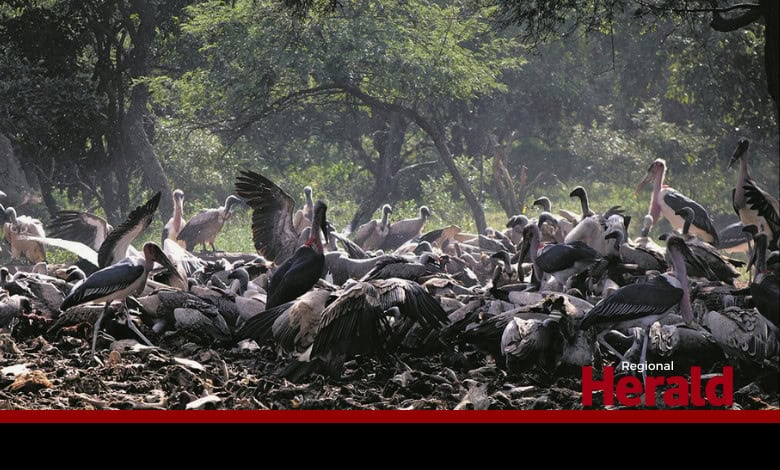
LIMPOPO – The Hoedspruit Endangered Species Centre (HESC) is best known for its work with cheetahs and rhinos, but behind the scenes lies another crucial conservation effort, a vulture “restaurant” that provides a safe feeding space for some of South Africa’s most threatened scavengers.
The vulture restaurant is a secure, designated area where HESC staff deposit leftover bones and offcuts from meat used to feed the centre’s carnivores. This initiative not only ensures that nothing goes to waste but also supports endangered vultures that face growing threats in the wild.
“Vultures play an essential role in our ecosystem, but they are under severe pressure due to poisoning and habitat loss,” explained Linri Janse van Rensburg, head curator at HESC.
“By giving them a safe place to feed, we are helping to protect these species while also monitoring their health. If we detect a poisoned bird, we can step in immediately and send it to Moholoholo Rehabilitation Centre for treatment.”
Several species visit the vulture restaurant regularly, turning each feeding into a fascinating display of nature in action. Hooded vultures, often the first to arrive, are joined by large groups of white-backed vultures and Cape vultures. With patience, visitors may even spot the rare lappet-faced vulture, the largest and most dominant of them all.
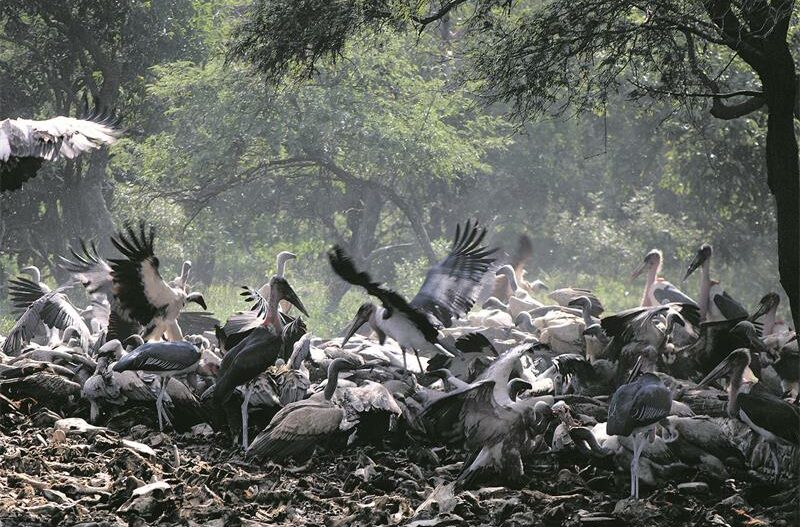
The feeding station also attracts other scavengers and raptors, including Marabou storks, pied crows, tawny eagles and yellow-billed kites. Together, they create a lively and sometimes chaotic scene as each bird competes for a share.
While the spectacle is captivating, the conservation message behind it is sobering. Across southern Africa, vultures are dying in alarming numbers, often as a result of poisoned carcasses. Poachers deliberately target them to prevent their circling from revealing illegal kills, while farmers sometimes use poison in retaliation against predators, inadvertently killing dozens or even hundreds of birds at once.
“The vulture population decline is deeply concerning,” said Janse van Rensburg.
“They are nature’s clean-up crew, preventing the spread of disease by consuming carcasses quickly and efficiently. Without vultures, our ecosystems, and even human health, would be at risk.”
HESC hopes that by showcasing the vulture restaurant, visitors will leave with a greater appreciation for these often-misunderstood birds. Watching them feed is not only an educational experience but also a reminder of how interconnected wildlife systems are.
“It is always a wonder to see these magnificent birds come together,” Janse van Rensburg added.
“They may not be as well-loved as elephants or lions, but they are just as important in keeping our environment healthy. Conservation is about protecting the full circle of life, and vultures are a vital part of that.”
For many, the vulture restaurant offers a new perspective on wildlife conservation, one that highlights the value of every species, no matter how overlooked. In the skies above Hoedspruit, the silent flight of vultures remains a symbol of resilience, survival and the ongoing fight to protect South Africa’s natural heritage.