Modjadjiskloof left dry amid water shortages
Modjadjiskloof residents face weeks without water as sewage spills worsen the crisis, with calls growing for urgent action.
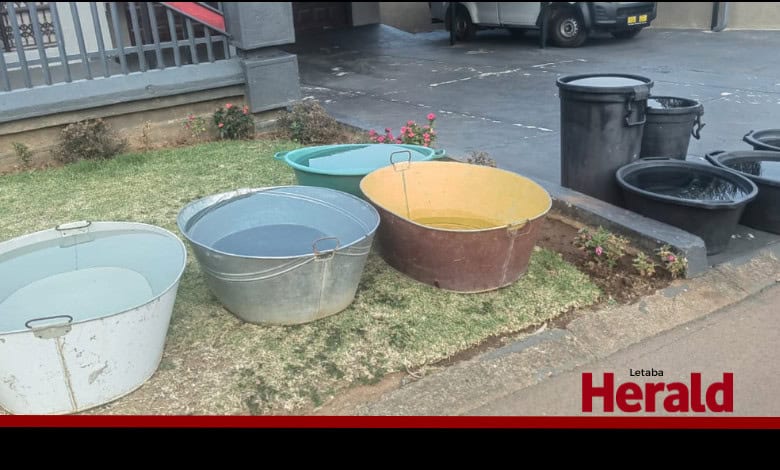
TZANEEN – Residents of Modjadjiskloof, under the Greater Letaba Municipality (GLM), say they are being pushed to the limit, as water shortages drag on for more than 10 days at a time. Communities have been left scrambling for alternative ways, while sewage blockages worsen an already dire situation.
Households in several parts of the town report going without a drop of water for nearly two weeks, forcing families to fetch water from unsafe streams or to buy it at inflated prices from private vendors.
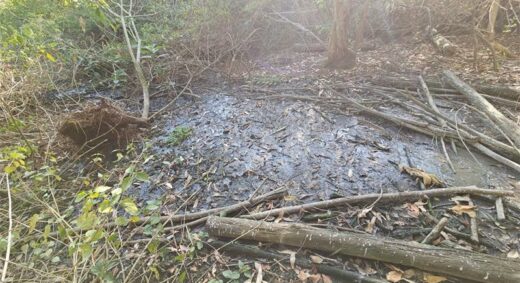
The crisis has also spilt over into sanitation, with sewer lines backing up and manholes overflowing into streets and yards.
“The situation is unbearable. We go for weeks without water, and sewage is spilling into the streets. It’s a health disaster,” said one frustrated resident.
Health workers warn that untreated sewage leaking into public spaces exposes residents to serious health risks.
With hygiene compromised, community members say they fear for the safety of children and the elderly.
GLM has acknowledged the crisis, attributing it to a combination of ageing infrastructure, vandalism, and insufficient bulk supply.
Officials say they are deploying water tankers to relieve affected areas, but residents argue the deliveries are irregular and do not reach every household.
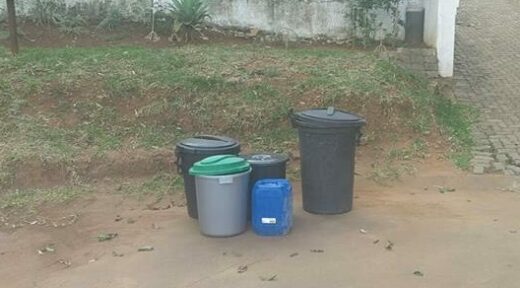
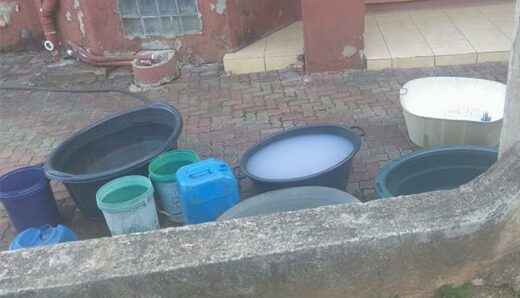
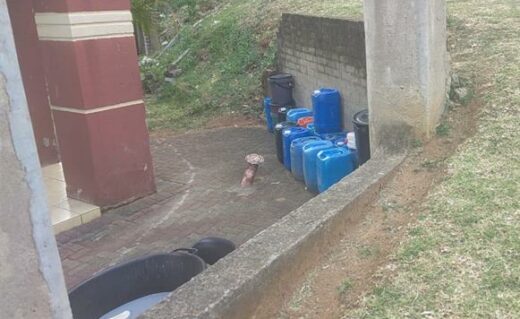
Joe Makhafola, spokesperson for Lepelle Northern Water (LNW), confirmed that supply constraints are at the heart of the problem.
“From LNW’s operation, our plant pumps 5.5 megalitres per day to the Greater Letaba Municipality,” he said. “However, the demand in Modjadjiskloof and surrounding areas is estimated at around 11 megalitres per day. This means there is a daily shortfall of nearly 50%, which puts tremendous strain on the system.”
Makhafola added that LNW is working with municipal authorities to explore medium- and long-term solutions, including upgrades to the Politsi Water Treatment Plant and improvements to distribution pipelines.
But residents say promises of upgrades and new projects have been repeated for years, while their daily reality grows harsher.
Businesses reliant on water, such as laundromats and car washes, are shutting their doors, and families are spending money they cannot spare just to buy drinking water.
Community leaders have accused the municipality of failing to prioritise maintenance. Burst pipes are left unrepaired for weeks, while sewage blockages are cleared only after residents lodge repeated complaints.
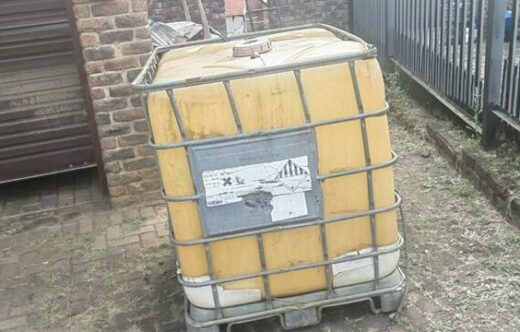
Civil society organisations argue that the failures amount to a violation of constitutional rights.
“This is not just an inconvenience, it is a crisis of dignity and public health,” said another resident. “Access to clean water and sanitation is a basic right, and our people are being denied it.”
According to GLM spokesperson Lovers Maenetja, the municipality, the district and Lepelle Northern Water are busy with engagements and investigations into the frequent shortage of water in Modjadjiskloof and Kgapane.
Feedback will be provided in due course.
For now, Modjadjiskloof residents remain caught between dry taps and overflowing drains.
Without urgent intervention from both municipal and provincial government, they fear their struggle for water and dignity will continue indefinitely.