Hoedspruit communities unite to combat plant poaching
K2C and local communities fight illegal plant harvesting threatening rare lilies, promoting sustainable livelihoods and biodiversity protection.
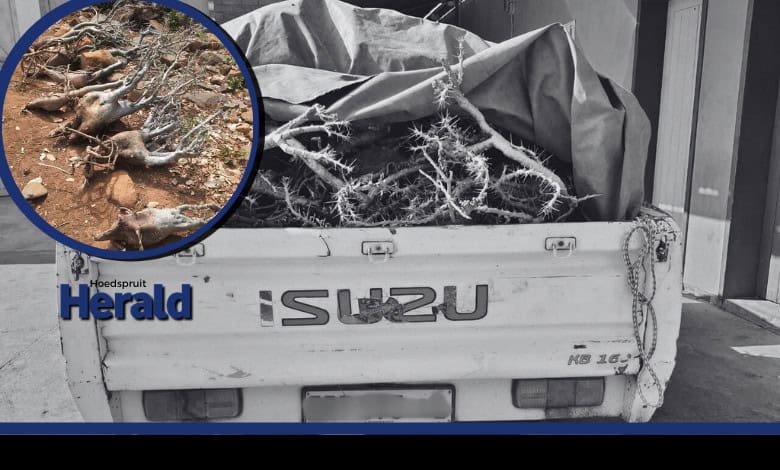
HOEDSPRUIT – Driven by demand for rare succulents and ornamental species, the illegal harvesting of protected plants, or plant poaching, is pushing several species toward extinction and undermining conservation efforts.
In the Kruger to Canyons Biosphere Region (K2C), conservation partners are working closely with communities living near protected areas to promote sustainable livelihoods while protecting natural resources. Through initiatives such as the Human-Wildlife Conflict and Illegal Wildlife Trade project, K2C aims to balance environmental protection with socio-economic development and tourism opportunities.
In Finale village, near Acornhoek, residents have shown a strong commitment to reducing illegal activities and encouraging sustainable practices. However, recent incidents have raised alarm about the continued illegal harvesting and trade of protected plant species, particularly the Impala and Kudu lilies.
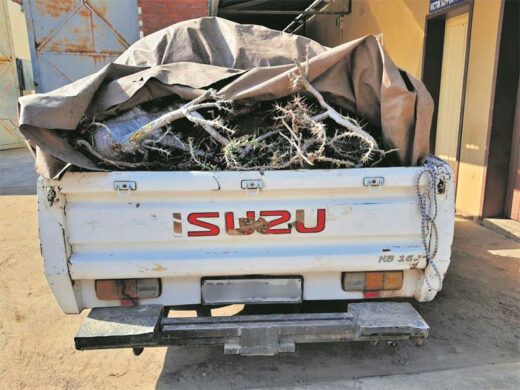
Earlier this year, rangers from a neighbouring reserve arrested eight individuals from Acornhoek who were caught poaching impala lilies, allegedly for sale in Hoedspruit. In another case, the local CPF intercepted a truck reportedly sent by a buyer from Hoedspruit to collect wild plants from the rangelands around Finale.
Most recently, authorities detained a vehicle transporting a large quantity of kudu and impala lilies, again destined for buyers in Hoedspruit. Those arrested claimed they were supplying regular customers in the area.
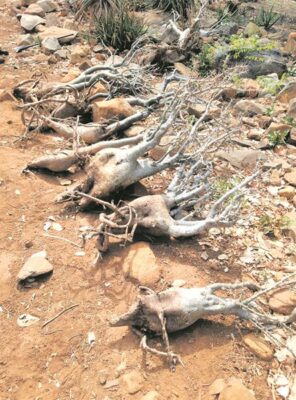
“These plants are part of what makes the Lowveld so special,” said Lauren Booth, a K2C spokesperson. “When they disappear, we lose part of our identity and the ecological systems that support tourism and community livelihoods.”
She says many people purchasing wild plants may not realise that doing so contributes to biodiversity loss and violates environmental law.
Community leaders in Finale have called on residents and neighbouring towns to help protect the area’s natural heritage. “We must all take responsibility,” added Booth. “If people stop buying wild plants, there will be no market for poachers.”