Tzaneen hit by surge in water-meter thefts
Over 130 water meters have been stolen in Tzaneen, prompting calls for coordinated action as residents face rising costs.
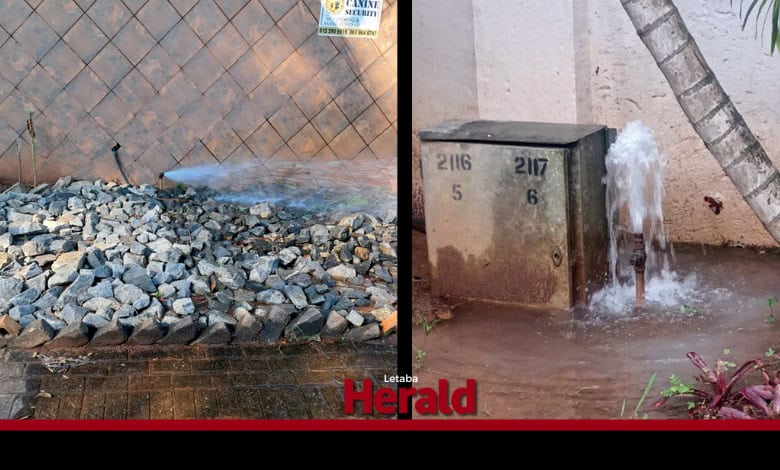
TZANEEN – Greater Tzaneen Municipality (GTM) officials have confirmed that at least 130 water meters have been stolen in the past three months, placing both residents and the municipality under mounting financial pressure.
Residents face rising costs as copper is targeted
In many cases, thieves have also removed up to 700mm of 22mm copper piping on the consumer side of the meter, forcing homeowners to hire private plumbers at their own cost.
Freedom Front Plus public relations councillor Wayne Kurten described the escalating trend as “an unsustainable burden”.
“People are paying twice, once for their rates and again when criminals steal out the copper,” he said. “This is a crisis we cannot ignore.”
The matter took centre stage at a public participation meeting held at Hoërskool Ben Vorster on November 27, attended by councillors from multiple parties, senior GTM officials, community policing forum (CPF) representatives, the police, a private investigator, and concerned residents.
Although brass meters were historically targeted for scrap value, concerns deepened when it emerged that early batches of the so-called “plastic” replacement meters still contained brass or copper nuts.
Several of these units were later found damaged in a plumber’s vehicle, apparently destroyed to extract the metal components.
“Calling them plastic meters was misleading when critical components were still metal,” Kurten said. “Criminals knew exactly what they are looking for.”
Policing challenges hinder crime prevention
Security and policing challenges also dominated discussions. Motorised SAPS and CPF patrols were deemed largely ineffective in spotting meter theft, while foot patrols remain limited due to manpower constraints. Reports indicate that suspects often scout properties during the day and return at night to remove meters.
A private security company owner revealed that he has shared confidential intelligence on suspected perpetrators with the police.
Closing the meeting, Kurten emphasised the need for a coordinated approach: “We can’t fix this with isolated efforts. The municipality, SAPS, security companies, and residents must pull in the same direction. Only then will we start turning the tide.”
Early signs suggest community vigilance is making a difference. After suspicious activity was reported in Aqua Park on Saturday night, no meters were stolen. Only one incident was allegedly recorded the following evening.
SAPS commits to opening cases from residents
According to DA councillor Chrisma Bredenkamp, until the DA recently intervened, the police had refused to open cases from affected residents, incorrectly insisting that only GTM could report such thefts because the meters are municipal assets.
This issue has now been resolved, and the SAPS has committed to accepting and acting on community complaints.
She also believes that tackling the surge in meter theft requires a coordinated, society-wide effort.
“We are calling on all stakeholders, municipality officials, law enforcement, community policing structures, private security, and residents, to work together. Only with combined vigilance, improved reporting, and visible policing will we begin to curb this organised criminal activity,” she said.