Illegal mining threatens Kruger’s lifeline rivers
Illegal mining pollution is poisoning rivers that sustain KNP, threatening wildlife, farms and human health with toxic heavy metals.
HOEDSPRUIT – The Kruger National Park (KNP), the oldest national park and one of Africa’s most important conservation areas, is facing a growing environmental threat as illegal mining upstream contaminates rivers, critical to its survival.
At the centre of the crisis is the Olifants River, one of the park’s two major river systems. The river sustains wildlife populations, downstream communities and agricultural producers, but is increasingly polluted by illegal artisanal gold mining operations outside the park’s boundaries.
The KNP is internationally renowned for its biodiversity, hosting more than 147 mammal species, over 500 bird species and a wide range of reptiles, amphibians and fish.
Conservation experts warn that ongoing pollution of its river systems could have long-term and potentially irreversible ecological consequences.
Heavy metals poison ecosystems and food chains
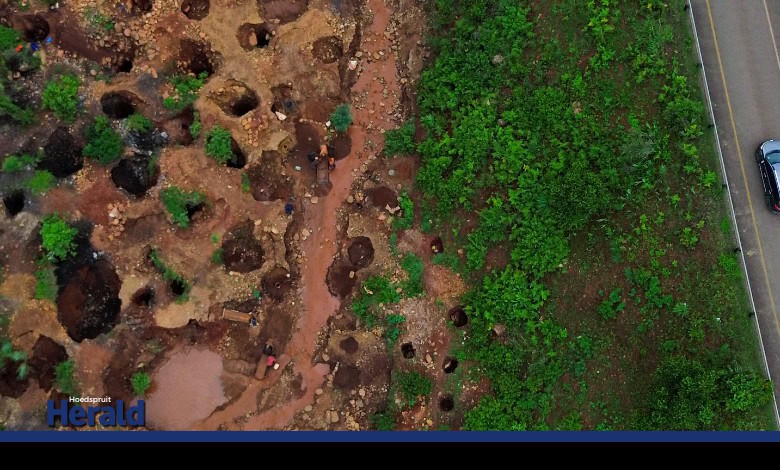
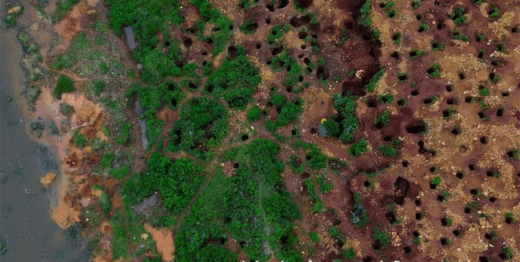
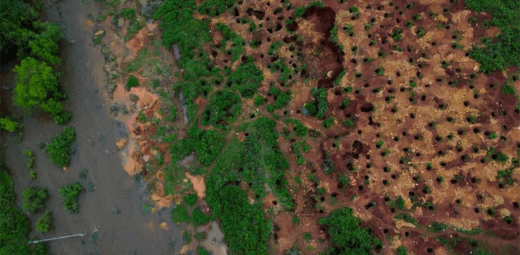
Upstream of the park, dozens of illegal mining sites, operated by thousands of so-called zama zamas, have been established along riverbanks and tributaries. Many of these operations operate openly, with some located less than 100 meters from major roads. Mining activities release mercury, cyanide, arsenic, and petroleum-based pollutants directly into river systems.
“These pollutants do not simply disappear,” said De Wet du Toit of the WildSafe Alliance. “They accumulate in river sediments and dams over time, creating a toxic legacy that affects aquatic life, wildlife, livestock, and people far downstream. Once these systems are contaminated, recovery becomes extremely difficult and costly.”
Environmental scientists warn that such contamination threatens fish populations, crocodiles, hippos and the broader food chain within and beyond the park.
Communities and farms face toxic risk
Mercury pollution is of particular concern due to its severe health impacts. Exposure can cause irreversible neurological damage in unborn babies and young children, while adults face increased risks of organ damage, neurological disorders and immune system impairment.
Humans are most commonly exposed through the consumption of contaminated fish.
Du Toit said the crisis extends beyond environmental damage. “What we are seeing is not only an ecological threat but a human and economic one. Communities relying on these rivers for food and water are being placed at serious risk.”
Farmers in the Hoedspruit region, many of whom supply international export markets, also face growing uncertainty. International buyers enforce strict limits on heavy metals and chemical residues in produce, and any exceedance could trigger export bans, threatening livelihoods and regional food security.
A multi-stakeholder initiative takes shape
Illegal mining has also become closely linked to organised crime. Mining sites often serve as hubs for criminal syndicates, attracting undocumented migrants and contributing to corruption, intimidation and violence against landowners and nearby communities.
In response, a multi-stakeholder initiative is taking shape to address the problem at its source. Scientists, landowners, farmers, conservation organisations, tourism operators, private security specialists and environmental lawyers are coordinating efforts to develop a lawful, long-term strategy to protect affected river systems.
According to organisers, the initiative will focus on scientific monitoring, intelligence sharing, legal action and targeted interventions, while seeking funding to sustain operations.
Environmental assessments indicate that the river system may be approaching a tipping point beyond which natural recovery may no longer be possible, with serious consequences for Kruger National Park and downstream economies dependent on clean water.
Organisations or individuals interested in supporting or participating in the initiative can find more information at www.blyderivertaskforce.com.