
How to choose an Online Brokerage to protect against Investment scams
Covid-19 pandemic has forced everyone to work from home, this has made shift in user behaviours and internet usage patterns.
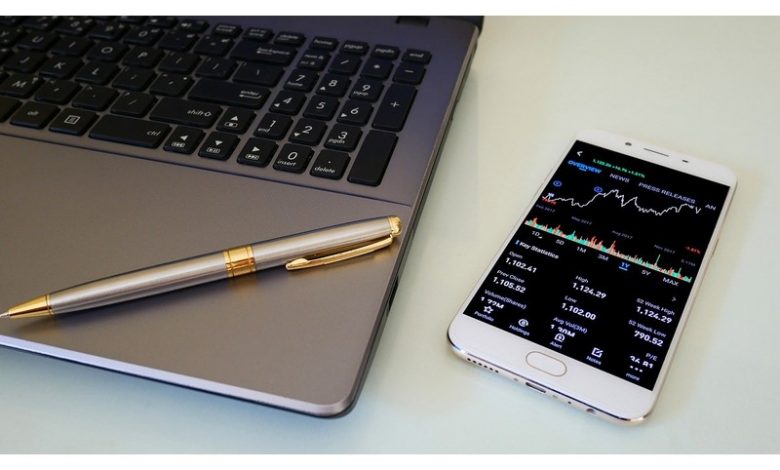
One thing which has had a huge impact due to pandemic is rise in retail investments in financial markets as it is now easier to invest globally with online brokers like EasyEquities, Exness, Robinhood, E-Trade etc. Retail trading on instruments like stocks, commodities, forex and CFDs has picked up during pandemic but so has risks & scams.
Many people are investing in financial markets for the first time and they are keen on exploring investment opportunities in all kinds of investments from stocks to high-risk instruments like Forex, commodities and cryptocurrencies.
Most new retail investors are speculating in the markets without proper knowledge or analysis or risk management as they are seeking quick returns, this has resulted in big bull run in the markets. Now new kind of speculation is happening in form of NFTs.
Also, most small retail investors invest using highly leveraged instruments which adds to more risks especially when markets are already overpriced currently. Many unregulated brokers are attracting investors using high leverage.
There is also rise in investment scams recently as more people are investing online. Some of the most recent examples of investment scams in SA include Mirror Trading International and the WhatsApp Forex Stokvel.
As more and more people get online, the chances of people being subject to investment fraud also increases. Lack of sufficient technical knowledge allows people to get involved in scams. Back in 2018 FBI reported, online scams accounted for nearly $2.7 billion in financial losses, this figure almost doubled to $3.5 billion in 2019, it is expected to double again during Covid-19 as many organisations worldwide reported rise in fraud. Another report by Scamadviser even suggested these figures can be around € 36 billion worldwide with 40% rise in scams in 2020.
There are many pitfalls, inherent risks and scams in online trading which come with a 3rd party association while investing, so choosing a right and regulated broker is important for trader safety and outcome.
Here are a few pointers that you need to keep in mind while choosing a brokerage to protect yourself from risks and scams:
1. Check Regulations of a brokerage to ensure safety and oversight
There are currently two major market regulators for financial sector in South Africa i.e.: Prudent regulator (SARB) and Market Conduct Regulator (FSCA).
FSCA issues licenses to financial institutions like Insurers, FAIS, CIS/Hedge Funds, Retirement Fund, Credit Ratings Agencies and Capital Markets including securities exchanges like JSE for shares, derivatives and bonds. FSCA also issues licenses to OTC derivatives providers that offer derivatives products on forex trading. If a broker wants to operate in capital market instruments like stocks & derivatives in SA then they must obtain license from Johannesburg Stock Exchange (JSE) While a broker has to apply license with the Financial Sector Conduct Authority (FSCA) for the CFDs and Forex Investments.
If a broker wants to launch their trading platform in South Africa, then it will need to give prior license from FSCA or JSE depending on product they offer. Only the licensed brokers are to conduct business in SA, if the FSCA finds that any unlicensed broker is conducting business in its country then it can heavily penalise the broker as well as the trader who trades in unregulated platform.
The main reason why market regulators like FSCA are needed is to protect traders from being scammed online. FSCA regulations allow for good protection and security of all traders. FSCA has an online website where you can search for all regulated/licensed brokers in SA. So, before you choose a broker, it’s ideal that you go online and check if the broker is licensed by the FSCA so you can legally trade in SA.
2. Compare and Check Fees to avoid paying high fees
Each broker has their own fees that they charge to conduct a trade for you. While some well-known international brokers charge a fixed amount throughout the world, some brokers charge according to the instrument you are trading it.
There are various fees that you should pay like transaction fee, deposit fee, withdrawal fee etc. the amount you need to pay will vary from broker to broker. But the amount is based on which instrument you are trading also.
While some brokers charge fixed fees for trading some brokers take a percentage of your trade volume as commission. Some brokers may also charge non-trading or hidden fees like overnight charges. So, you need to compare which is the cheapest option for you and trade with that broker.
3.Check for suitability and Instrument Availability
Before you decide on which broker you need to choose, you will first need to know what instrument or commodity you want to trade in. It’s important that you determine which instrument you want to trade since not all online trading platforms offer all instruments.
Suitability of a broker must be according to your needs & trading strategy, all the instruments that you want to trade must be offered.
Some brokers restrict themselves to only certain type of instruments because it is more profitable or due to regulations they are restricted to offer certain instruments on their platform. But as a trader you should have access to all instruments that you understand or you want to trade.
Like if you want to buy stocks, then you must choose a stock broker that can help you buy actual shares and is licensed by JSE, if you are looking to speculate on shares, indices, commodities, forex then you can choose derivatives or CFD broker licensed by FSCA and if you are looking to trade on Nasdaq Index in US, then you can choose South African brokers that offer NASDAQ as a CFD instrument.
4. Check online reviews and Complaints to avoid bad broker
Old clients who have traded on the platform of the broker will have good insight as to how the broker functions and whether the transactions are genuine. Their reviews can go a long way in helping you making decisions.
On the other hand, it’s always good to talk to even current traders on the platform to understand the broker and the policies.
There are various forums like Forex Factory where you can interact with other traders.
Some of the things you would want to check online are the fees they charge, withdrawal time, commission etc. But you need to be aware that anything can be manipulated on the internet especially reviews.
There are high possibilities that reviews might be fake as well. So, don’t make your decisions based on reviews alone.
5.Check background and history of broker to see if they are reputed
The best place to find information on your broker is online.
You can trace the entire history of your broker and if there are any complaints against them. If a broker has indulged in bad practices in the past then it will help you in deciding whether or not you should trade with them. A good way to start your research is to understand:
- How many countries does the broker operate in?
- How many years has the broker been offering their services?
- Is it listed/traded on any public stock exchange with transparent financials?
- Are there any legal cases against them?
- Have they been banned in any country and why?
- Do they have the license to offer services in SA?
Once you have got the answers to all these questions, then you will know whether the broker is genuine or not.
6.Check available Deposit & Withdrawal options if they support your preferred option
Withdrawal is one of the first and foremost things that every trader is concerned about. What good is the money to you if you are unable to withdraw it in the time and manner you want?
There have been several cases of fraud where during the time of withdrawal, the money doesn’t get withdrawn.
So many traders lose their money because they didn’t check the withdrawal option before trading. Before you start trading, look at the withdrawal option you have with the broker you have chosen. See if they support the option you want to trade in.
Traders from South Africa often prefer brokers with ZAR account option with local deposits and withdrawals using Electronic Fund Transfers/Bank.
7.Check trading tools and data availability
It’s the responsibility of the broker to offer you all tools and data to help you trade more safely and efficiently.
Make sure that the broker you work with has all trading & risk management tools like stop loss, social or copy trading, algorithmic trading tools, charting & analysis tools etc.
Moreover, a good broker also offers timely market data, reports, financial statements of companies & relevant news in the interface. It’s always better to trade with brokers who offer wide variety of tools and data. Most CFD & forex brokers in South Africa offer MT4 with these tools.
8.Check the interface for ease of use & accessibility
The interface must be easy to use as per your experience & requirement.
As a trader you need to be familiar with the platform you are going to use. You should be able to navigate around the platform without any problems.
If you are beginner, you might want minimalistic interface with buy, sell, price features in your smartphone so you can access it on move.
As an advanced trader, you need to check if the platform is available across all devices, mobile phones or it has web/desktop trading options as well.
9.Check for demo account for practice and to see look and feel
Almost every online broker offers a free demo account so traders can trade real time with virtual money to understand the market.
It’s high recommended that you spend a few weeks with a demo account before you can invest real money into the platform.
Trading in demo account will help create your own strategies as well as understand how the market and trading platform functions. Once you learn trading with a demo account fully then it will make your more confident and make you more efficient.
Before you start, it’s important that you know the risks and apply risk management & caution
Before you start, begin your research on whether the broker you have chosen is licensed in SA.
Once you have decided with broker to trade with, check if they have all the instruments you want to trade in. Then you talk to other users and read online reviews on the broker.
Once you are convinced that the broker is a genuine one, then you can open a demo account and trade with the broker to get familiar.
Once you are familiar then you can invest real money and start trading. But just make sure that you have all risk management tools in place before you start trading.
Remember, the market can be highly volatile and you stand the risk of losing all your money if you don’t have risk management tools in place. In the end, don’t forget to learn about all the risks involved and use safe trading practices like using risk to reward ratio & safe leverage, and never overtrade.