
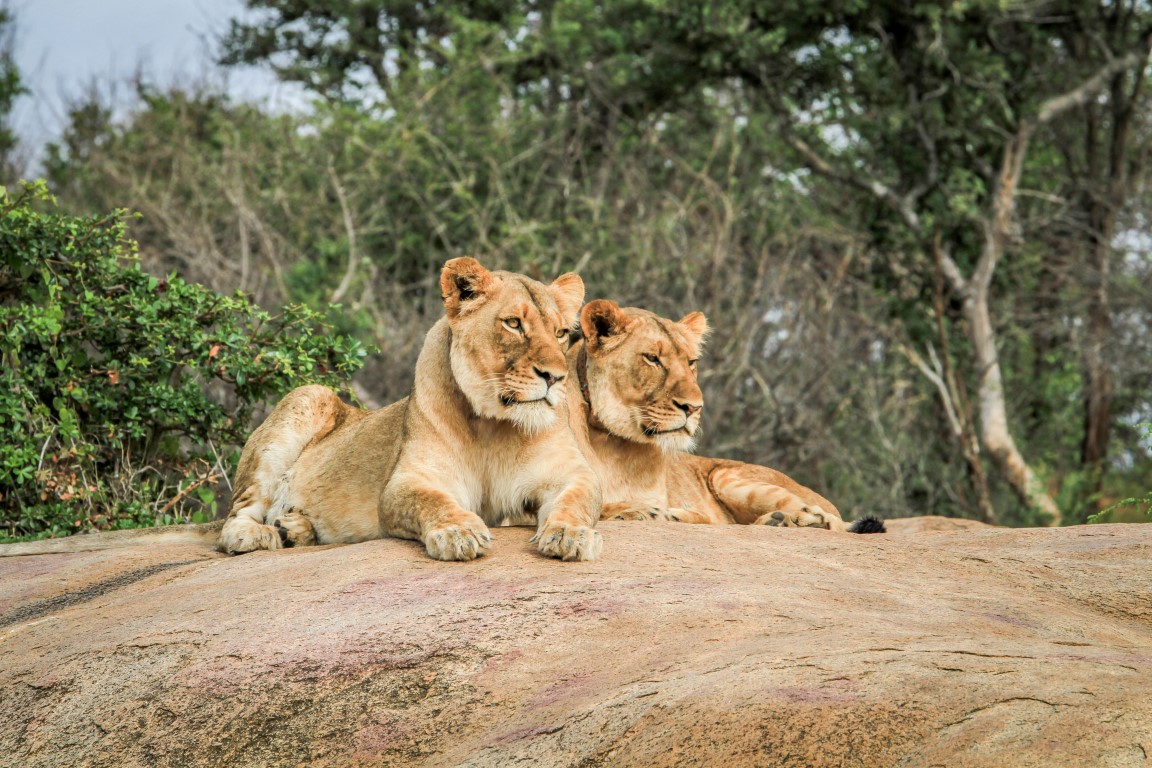
The Mpumalanga Tourism and Parks Agency announced the phasing out captive lion farms in accordance with an April 2024 decision by Cabinet to responsibly, lawfully and humanely close down the entire captive lion industry.
The MTPA says “In alignment with the Policy on the Conservation and Sustainable Use of Elephant, Lion, Leopard and Rhinoceros, the MTPA through the Voluntary Exit
Programme, is working constructively with captive lion facility owners in the province to implement the national objective of bringing the industry to an orderly, fair, and ethical conclusion”.
During the transition period the agency will commit to ensuring that all captive lion facilities in Mpumalanga continue to comply fully with existing legislative and regulatory requirements.
Accordingly, no permits will be issued for the establishment of new captive lion facilities and no captive lion breeding will be permitted.
The import of captive lions from other provinces will also be progressively phased out.
A coordinated captive lion sterilization programme will also be rolled out.
All existing captive lions will be managed in accordance with established animal welfare pratices.
The move comes amid national government’s policy in favor of ethical, conservation-led tourism.
“As one of South Africa’s premier and internationally renowned wildlife destinations, Mpumalanga places a strong emphasis on in situ conservation through extensive wildlife systems that enhance the province’s biodiversity and cultural heritage,” the agency explains.
“The MTPA remains unwavering in its commitment to a future in which Mpumalanga leads by example in ethical, conservation-driven tourism and sustainable use practices. By responsibly phasing out the captive lion industry, the province is safeguarding animal welfare and biodiversity while creating new opportunities for sustainable economic growth, job creation, and international recognition”.
Mpumalanga welcomes engagement and investment in its nature reserves and conservation-based tourism initiatives that support long-term ecological resilience and economic prosperity.
Loskop conservationists also sprang into action against the further spread of foot-and-mouth disease by implementing biosecurity measures at the Loskop Nature Reserve.
This week the MTPA also warned against continued commercial harvesting of plants, fish and animals at the Loskop Nature Reserve.
.