Migrant workers paid with their lives for South Africa
Vigilante group demands jobs at big businesses.
The March and March demonstrations have now given way to vigilante action.
A small group of protesters have been going around for the last two weeks intimidating business owners.
Not only are demonstrators asking businesses whether they employ undocumented workers, but they are also demanding jobs.
The group first visited the Eastdene business complex before marching to large supermarkets.
Business owners were threatened with the requirement to provide the group with work or face the consequences.
There was a large police presence, and members of the Dagpatrollie also ensured the group did not get out of control.
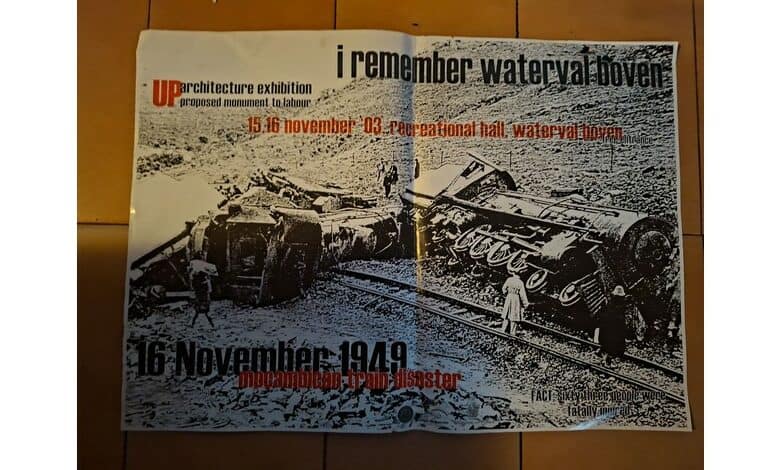
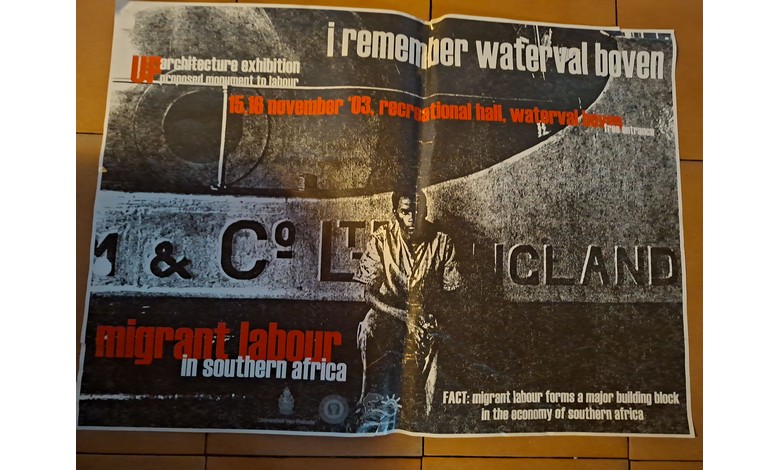
It is ironic that in 2003 a huge gathering was held at Waterval Boven (Emgwenya) to commemorate the 1949 train accident in which 63 Mozambican miners died.
Placards were put up all over Mpumalanga displaying the message, ‘FACT: Migrant labour forms a major building block in the economy of South Africa’.
Forefathers of the same workers now driven out of South Africa paid with their blood and lives to keep South Africa’s mining industry going.
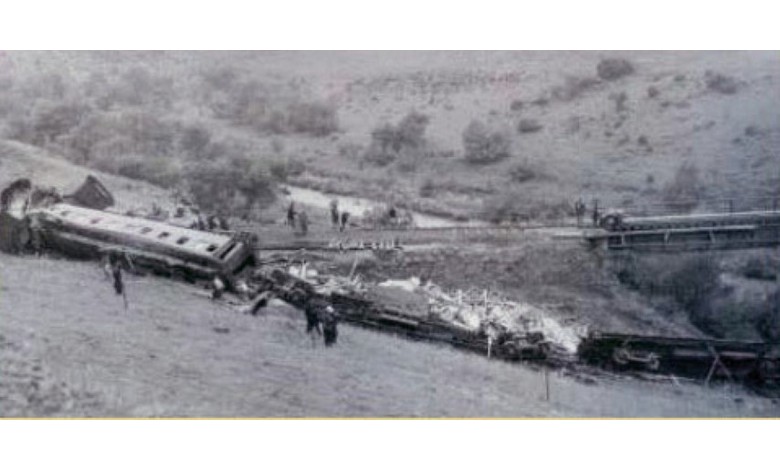
The 1949 Waterval Boven train disaster occurred on the rainy night of November 15, 1949, when a train ferrying Mozambican mineworkers home derailed at high speed. Thirteen coaches derailed on the Elands River bridge, with six plunging into the gorge, killing 62 passengers and the train driver, and seriously injuring 106 people.
The tragedy was one of the worst rail accidents in South Africa’s history. The train was operated by the Witwatersrand Native Labour Association and was carrying mineworkers back to Mozambique after their contracts on the Reef ended.
An official enquiry largely blamed the train driver for excessive speed, although it also exposed the poor and often abusive conditions of migrant worker transport services.
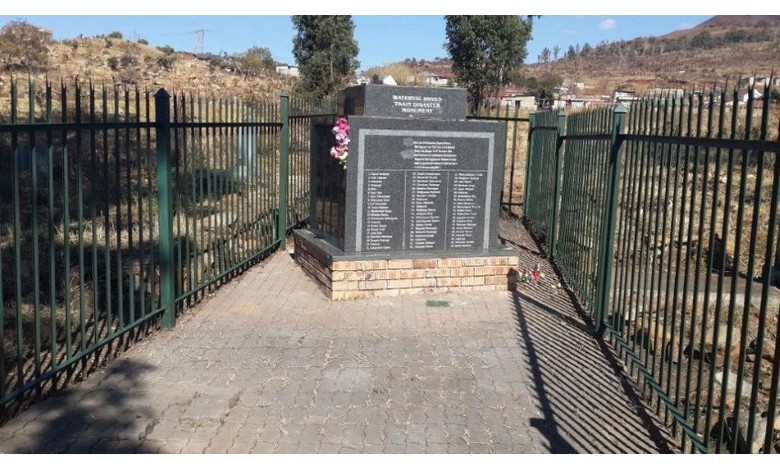
The victims were buried in a mass grave in the township cemetery in Waterval Boven. The site was later designated as a National Heritage Site, and both the South African and Mozambican governments, alongside organisations like Mpumalanga Heritage, hold commemorative events to honour the miners’ sacrifices.
Welsh Green, the driver who perished in the incident, lies buried in a quiet corner of the old cemetery and took the secrets of what really happened in the accident to his grave.
In 2019, News24 reported that historian Professor Charles van Onselen sharply criticised the Mpumalanga provincial government for its ‘neglect and historically inaccurate commemoration of the 1949 Waterval Boven train disaster’.
He labelled officials as ‘arrogant nationalists’ for botching the facts and using heritage events for political grandstanding.
Van Onselen detailed several inaccuracies in the government’s approach to the mass grave and monument at Waterval Boven.
The government entirely excluded the memory of the white train driver, according to News24, who also perished in the crash, ‘prioritising a skewed, racially divided political narrative over historical truth’.
The South African Heritage Resource Agency erected a memorial at the cemetery in 2006, and the Mpumalanga Department of Culture, Sport and Recreation unveiled a commemorative stone at the disaster site in 2010.