
This week in Middelburg’s heritage – October 27
Emily Hobhouse visits Middelburg and the surrounding area

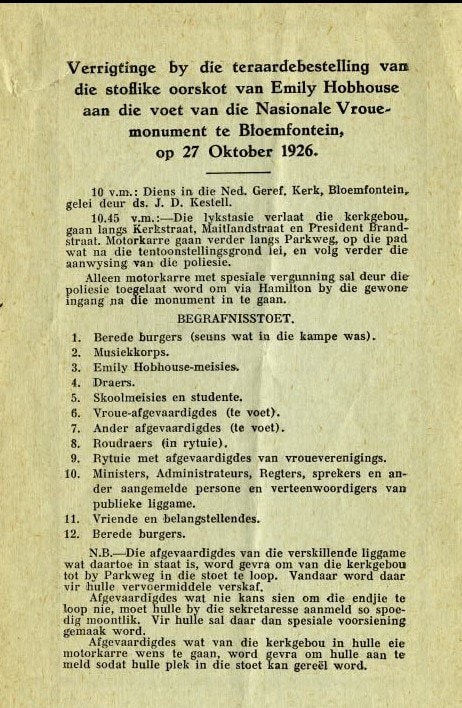
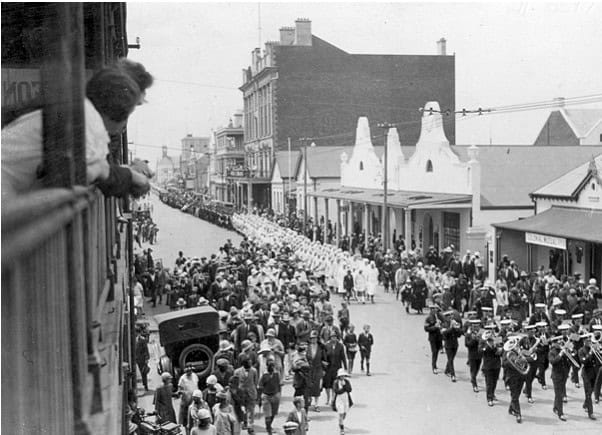
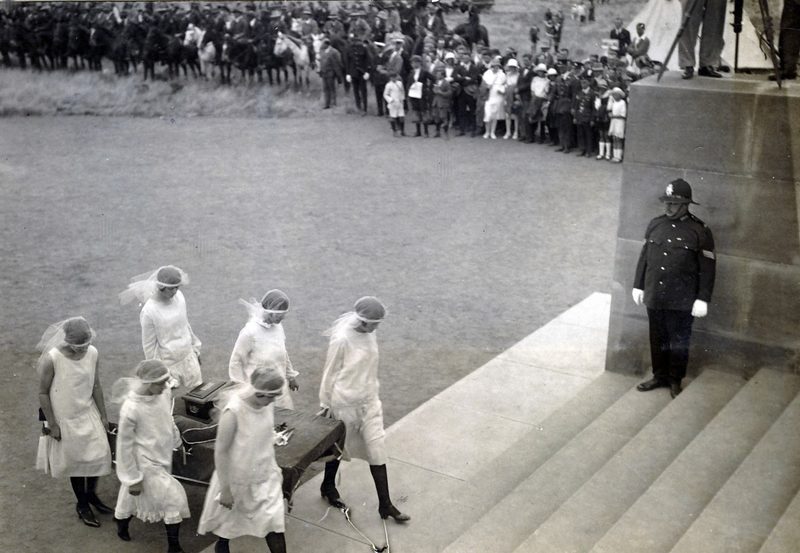
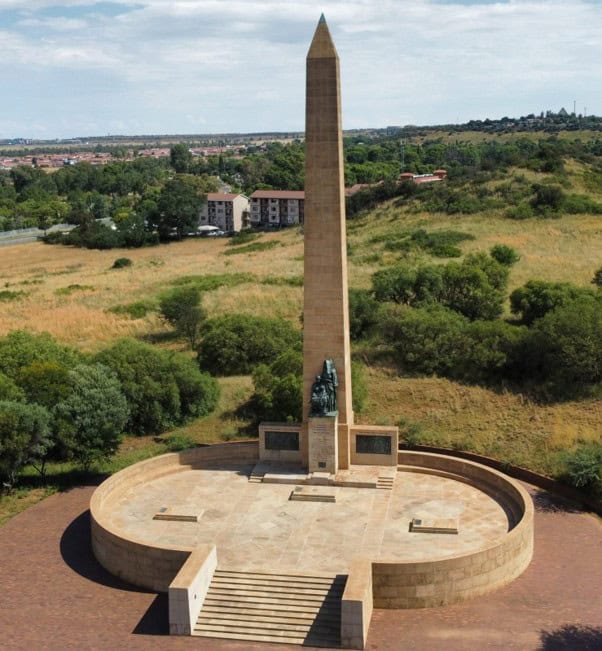
On October 27, 2026, South Africa will commemorate the centenary of Emily Hobhouse’s death and burial. She died in London on June 8, 1926, and her ashes were placed in a niche at the National Women’s Monument in Bloemfontein on October 27, 1926. The state funeral will be re-enacted in Bloemfontein on October 31, 2026.
Who was this woman? Often described either as a heroine from afar or as a traitor? Lord Kitchener referred to her as ‘that bloody women’.
Few people know that she visited Middelburg and made numerous contributions to the Middelburg community after the Anglo-Boer War.
Early Life
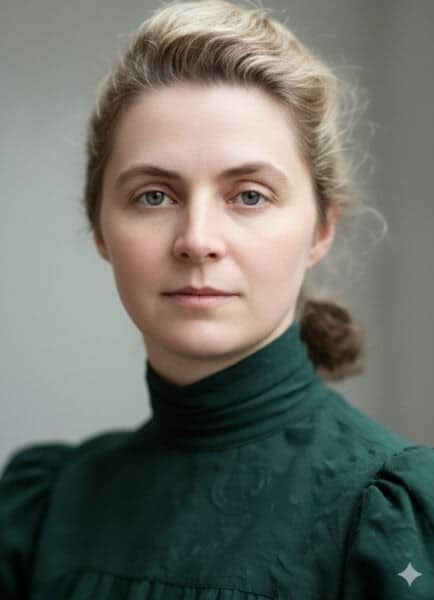
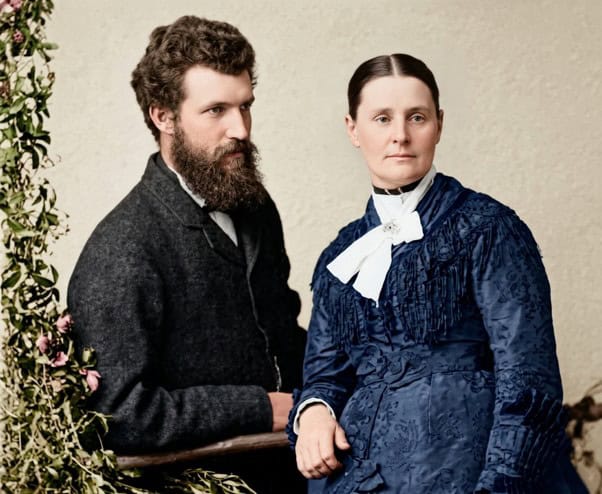
Emily Hobhouse was born on April 9, 1860, at St Ive, near Liskeard in Cornwall, United Kingdom. She was the daughter of Caroline (née Trelawny) and the Reverend Reginald Hobhouse, an Anglican rector who later became the first Archdeacon of Bodmin. Educated at home, she remained with her parents into adulthood and, after her mother’s death when Hobhouse was 20, spent 14 years caring for her father during his ill health. Her family included prominent advocates of peace and social reform, notably her brother Leonard Trelawny Hobhouse and her second cousin Stephen Henry Hobhouse. Following her father’s death in 1895, she became more actively involved in social work and political reform and, with Leonard, participated in the Adult Suffrage Society (right to vote). She also travelled to Minnesota in the United States to undertake welfare work among Cornish mineworkers. A subsequent engagement to John Carr Jackson ended after their ranching venture in Mexico failed, and she returned to England in 1898, having lost much of her money. These experiences of domestic responsibility, reform activity, welfare work and personal hardship helped shape the humanitarian commitment that later defined her public life.
The Anglo-Boer War
When the Second Anglo-Boer War began in October 1899, Hobhouse, then 39 years old, joined the British radical Liberal Party opposition to the conflict, spoke publicly against British policy and became secretary of the women’s branch of the South African Conciliation Committee. Reports of Boer women and children displaced and impoverished by military operations convinced her that organised protection and assistance were urgently required. In October 1900, she established the Relief Fund for South African Women and Children to provide food, clothing and shelter to destitute civilians of every community, although support outside the Society of Friends was limited. Hobhouse sailed for the Cape Colony in December and arrived on December 27, 1900. After meeting the British High Commissioner, Alfred Milner, she obtained permission to inspect camps established by the British Army, but Kitchener restricted her journey to Bloemfontein and further north. He also authorised only limited railway transport for approximately 12 tons of supplies.
Leaving Cape Town on January 22, 1901, Hobhouse reached the Bloemfontein camp two days later and found about 1 800 people living in inadequate accommodation and severe shortages of essential supplies. She challenged the classification of soap as a luxury and ultimately helped secure recognition of soap, straw and kettles for boiling drinking water as necessities. During the following weeks, she inspected camps at Norvalspont, Aliwal North, Springfontein, Kimberley, Orange River and Mafeking, repeatedly drawing official attention to inadequate sanitation and rations. On returning to Bloemfontein in March, she found that the population of the camp had doubled, overwhelming earlier improvements, as disease and mortality increased. During this period, Hobhouse formed a significant and enduring friendship with Rachel Isabella ‘Tibbie’ Steyn, wife of Orange Free State President Marthinus Theunis Steyn; their bond continued into the post-war era. She also had a personal relationship with General Jan Smuts and his wife Issie and corresponded with Issie for many years.
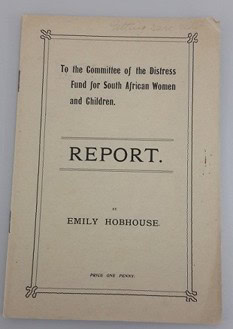
Concluding that relief alone could not address the crisis, she returned to Britain to press the government to end the scorched-earth and concentration-camp policies. She published a report on her findings. Her appeals met resistance from the War Office and indifference in Parliament, although the government eventually appointed a women’s committee led by Millicent Fawcett to investigate.
Hobhouse, who was excluded from the committee, attempted to return to South Africa in October 1901, but was prevented from leaving her ship at Cape Town. In poor health, she withdrew to Savoy, where she later learned that the Peace of Vereeniging had ended the war.
After the war
After the war, Hobhouse returned independently to South Africa to assess the consequences of the scorched-earth policy and to assist with reconstruction. Working with Margaret Clark, she established the Boer Home Industries project, beginning at Philippolis, where young women were taught spinning, weaving and lacemaking. Her relief work was accompanied by a determination to document the continuing human and material effects of the conflict.
Emily Hobhouse in Middelburg
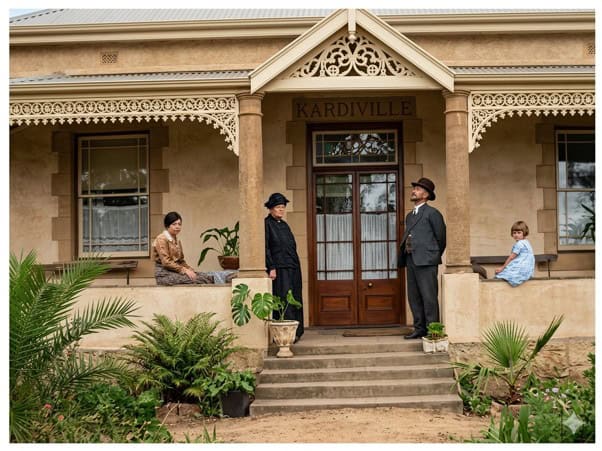
Shortly after July 6, 1903, Hobhouse travelled by train from Pretoria to Middelburg. She arrived at the station in the afternoon, where a large group of local women welcomed her, before proceeding to the parsonage of the Reverend Alewyn Burger and his wife, Janie. The parsonage stood opposite the White Church in what is now Walter Sisulu Street. Hobhouse recalled being received in its sitting room, where she and a large gathering of women sat on upright chairs, although she would have preferred the broad, cool veranda. During this visit, she heard, amongst others, Anna van den Berg’s recollections of the five difficult months she had endured in 1901, particularly the events of July, which remained permanently etched in her memory.
J. F. Vercueil also recounted how, despite being ill, she was badly treated and sent to the overcrowded first temporary concentration camp, which was housed in buildings opposite the railway station. These memories and many more are captured in the publication Stemme uit die Vrouekampe.
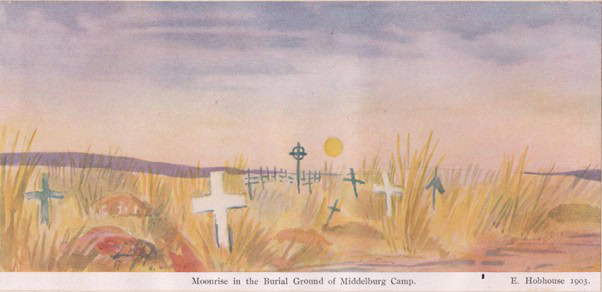
At Hobhouse’s request, Theron drove her in the late afternoon to the concentration camp cemetery in Mineralia, where women and children who had died amid disease, poor sanitation and inadequate supplies, had been buried. They reached the site as the sun was setting and a full moon was rising. Hobhouse recorded rows of children’s graves, many marked only by slips of paper placed in glass bottles and bearing dates from the particularly deadly month of July, 1901. She also described the purple evening sky and the afterglow and moonlight illuminating the long, dry grass. The scene became the subject of a watercolour by her that is preserved at the Anglo-Boer War Museum in Bloemfontein.
Hobhouse returned to the parsonage after dark. She described Janie Burger as a dear, slight woman whose pale appearance reflected the trauma she had endured. Because the spacious parsonage appealed to the military authorities in Middelburg, officers repeatedly attempted to remove her from the house. Pregnant at the time, she refused on seven occasions to leave for an uncertain destination. She was eventually compelled to go after refusing to persuade her husband, the chaplain of the district commando, to surrender. Burger and her six children were sent to Howick, where all seven were accommodated in a bell tent. During their absence, the parsonage was occupied by army nurses and became a venue for frequent music and dancing; when the family returned, they found the house in a filthy condition.
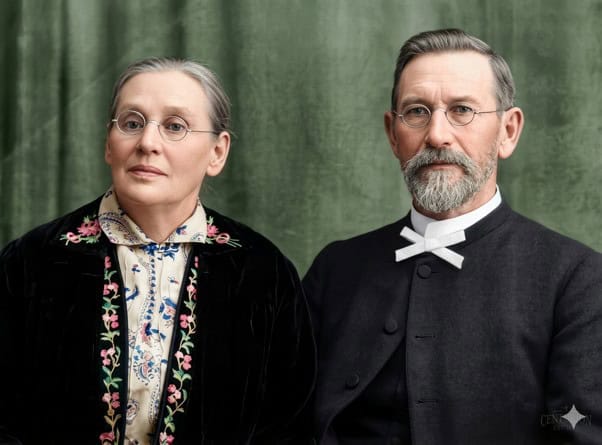
The following day, Hobhouse visited the Middelburg orphanage established by Rev (Ds) Alewyn Burger and former Commandant Piet Trichard, which housed 54 children, approximately 18 of whom had lost both parents. Finding that the children urgently needed stockings, she left sufficient money for each child to receive a pair. She observed that the boys and girls were not dispirited; instead, they carried themselves with pride in the belief that their parents had died for their country and that they shared in that heroism. The visit concluded with what she described as an extensive round of handshaking, as every child, including the youngest, expected to greet her personally.
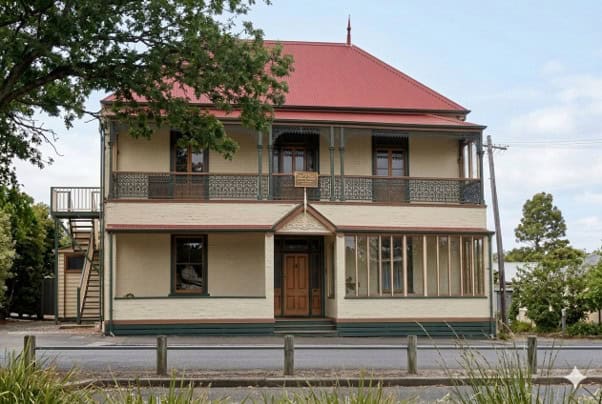
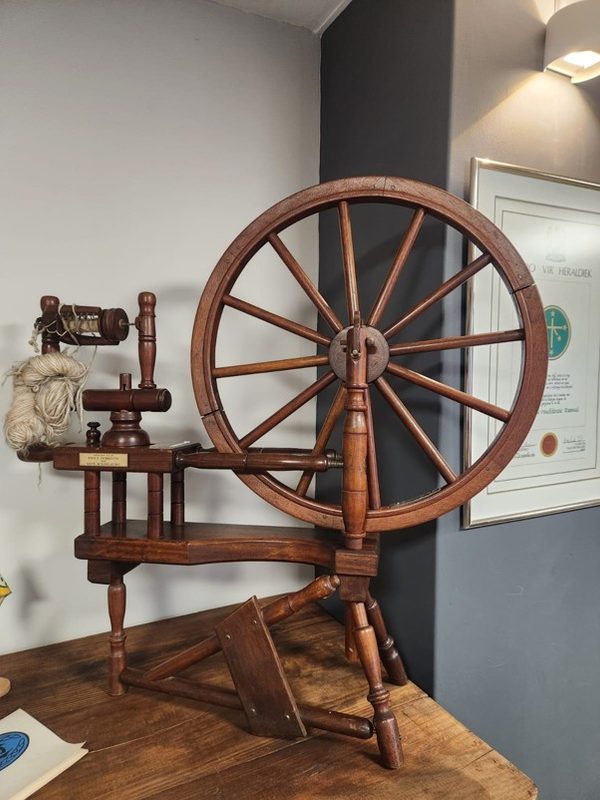
Hobhouse also encouraged local women to participate in the Boer Home Industries project, which had originated at Philippolis and taught young women skills such as spinning, weaving and lacemaking. She extended the project to other centres to equip women, particularly impoverished bywoner women who had moved to the towns, with practical skills and opportunities to earn an income. In total, Hobhouse helped establish 27 spinning, weaving and lace-making schools across the Orange Free State and Transvaal. To support this work, she collected approximately 1 000 spinning wheels, mainly in Switzerland, which she shipped to South Africa in 1906.
In Middelburg, the initiative later gained an organisational foundation through the South African Women’s Federation (Suid-Afrikaanse Vrouefederasie), established in Pretoria on October 19, 1904, at the initiative of Georgiana Solomon and with the support of Annie Botha. Janie Burger subsequently founded the Middelburg branch of the federation in the memorial hall on the grounds of Middelburg’s Technical High School, where spinning formed part of the branch’s practical activities. There was however no formal spinning school in Middelburg. It is not known how many spinning wheels reached Middelburg around 1907, but one donated to the Middelburg branch has been preserved in the Federation Museum in Pretoria. It was probably one of the wheels donated by Swiss households.
The Middelburg visit formed part of Hobhouse’s wider journey through the Transvaal countryside in the late winter of 1903, during which she recorded both local testimony and the physical traces of the war.
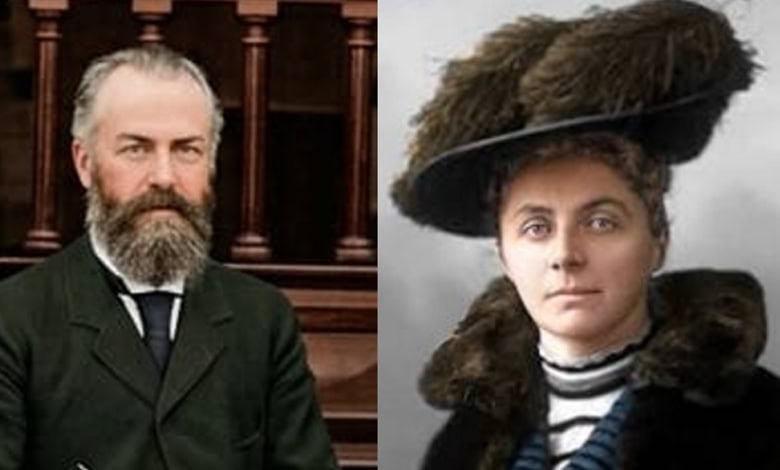
From Middelburg, Hobhouse travelled towards Stoffberg with Gert Johan Wilhelm du Toit, the last landdrost of Middelburg before the war, and a driver. They rode in an old carriage, ‘a Victoria’, as she called it, drawn by four stubborn mules. At Wonderhoek, they outspanned on the farm of Johannes Christoffel Schabort (1844–1939). She noted that all the fruit trees had been cut down by the British and that the family was now living in a makeshift shelter.
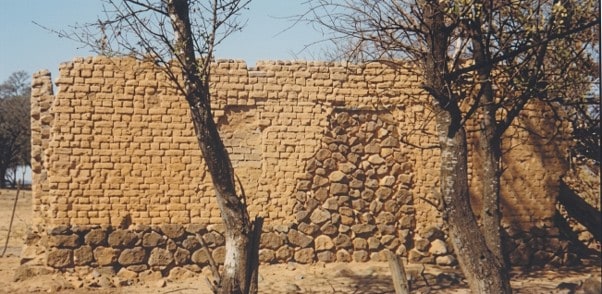
Along the route, they passed the ruins of several burnt farmhouses. As the road entered sandy, hilly country, the mules struggled to make progress. By the end of the day, they had reached the mountains, probably Bothasberg, where the descent was so dangerous that Hobhouse was advised to leave the carriage and walk behind it in case the vehicle overturned and rolled down the mountain.
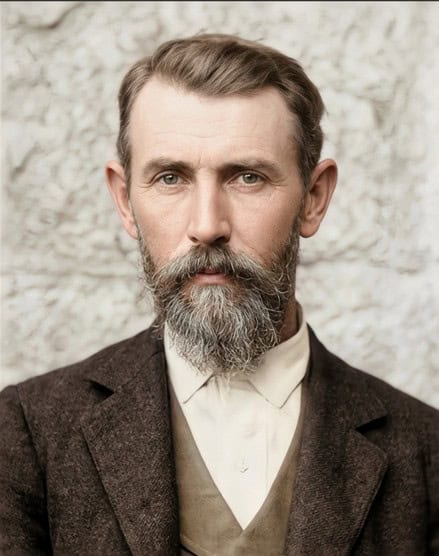
That evening, Hobhouse stayed with the Haupt family at Enkeldoorn, at the current Stoffberg. Joseph Franciscus Haupt, a deacon, had been asked by the Reverend Alewyn Burger to accommodate her. Because the family’s large stone house had been burned, they were living in a stable. When Hobhouse expressed sympathy for his loss, Haupt replied that he had given everything for his country and had done his duty with a clear conscience; regret belonged to those who had burned his home. Hobhouse initially offered to sleep outside, causing consternation. Anna Elizabeth Petronella Haupt answered that, although she no longer had a large house or spacious rooms, she still had a large heart and could not allow her guest to sleep outdoors. They therefore all slept in the stable. At sunrise the next morning, Hobhouse sketched the ruined remains of the farmhouse. On returning, she found the family gathered in the stable, singing hymns and giving thanks to God for food, clothing and shelter.
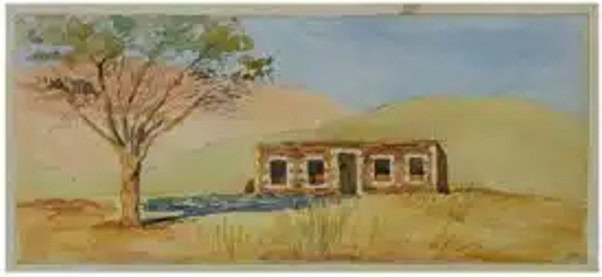
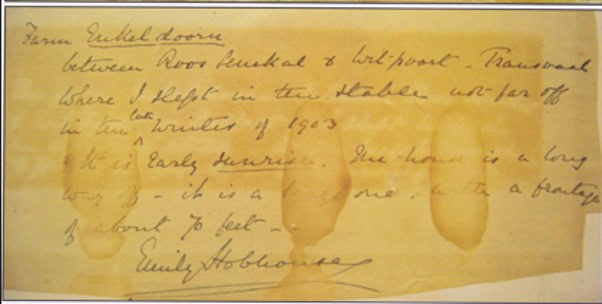
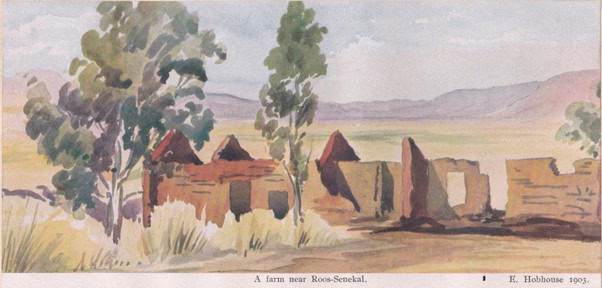
Her watercolour, Farm Enkeldoorn between Roos-Senekal and Witpoort – Transvaal, together with her painting of the Middelburg cemetery, forms part of her important visual record of the destruction left by the war.
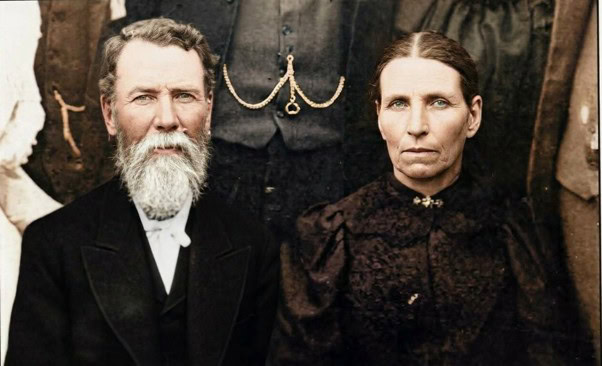
After visiting several widows in the district, Hobhouse continued to Roossenekal that afternoon, most probably July 11, 1903. The congregation had assembled for Holy Communion and was camping in wagons and tents around the ruined church. As the guest of Anna Magrietha van den Berg, Hobhouse was given a tent furnished specially for her. Van den Berg, whom she described as a stately old lady, recounted how she had first been confined in the Middelburg camp before being transferred to Merebank, near Durban. She later accompanied Hobhouse to the ruins of her farmhouse at Witpoort. Van den Berg’s memories are recorded in the publication Stemme uit die Vroue Kampe and make sorrowful reading.
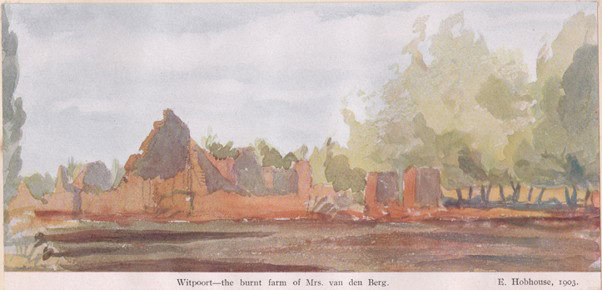
Among the local cases Hobhouse recorded was that of Burgher Stephanus Philippus Schutte, whose wife and one child had died in the concentration camp. He was left to care for six children under the age of 14. Wounded during the war, he had lost the use of one arm and found it extremely difficult to work. His livestock was gone, he had no money, and he had received only 20 corrugated iron sheets and a few poles with which to rebuild a home. Hobhouse was able to give him £50 from the Phipps Fund to help the family begin again.
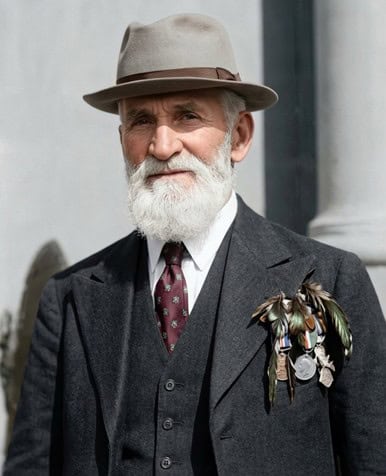
She described the congregation arriving for Holy Communion in the best clothes they still possessed, including several formal frock coats. They gathered amid the ruins of the church, whose pews had been burned by British forces. Everyone brought a chair or box to sit on. She described how she observed the service from a distance because it was conducted in Dutch. After the service, she was invited into the church for lunch and noted that there were no windows, with unbleached linen hanging in the openings.
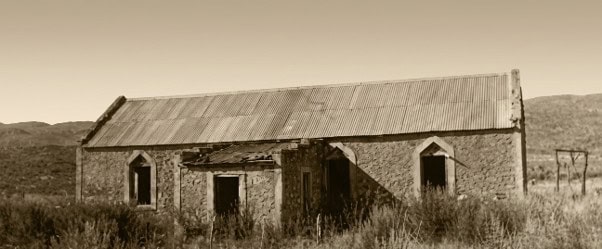
From Roossenekal, Hobhouse travelled to Witpoort, where she met Mrs Britz, who had just given birth, and her nine-year-old daughter in a makeshift, windowless shack. Britz’s husband was penniless and had travelled to Dullstroom to try and find work and some food. Emily had some rice in the wagon, the only food, which she left with the daughter.
She then travelled to Dullstroom. There she also provided financial assistance to Field Cornet Taute, whose wife was heavily pregnant and whose home lay in ruins. She recalled how the imposing field cornet broke down in tears when he received her help.
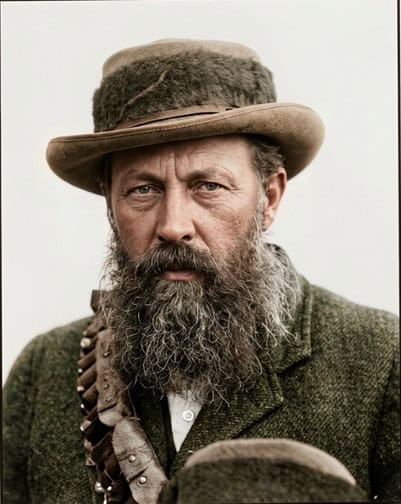
Writing from Belfast on July 14, Hobhouse explained that she had hoped to continue to Carolina and Ermelo, but no horses or mules could be found. She therefore returned to Pretoria.
The wider journey placed considerable strain on Hobhouse’s health. In letters to her family, she described travelling by wagon over dusty tracks while suffering from acute neuritis and subsisting on limited food. Nevertheless, Boer communities repeatedly expressed their gratitude, and she affectionately referred to South Africa as ‘this handshaking country’. These encounters extended her Middelburg visit into a broader record of post-war devastation, resilience and practical relief across the eastern Transvaal. She returned to South Africa in 1907.
Later life and legacy
Ill health compelled her to return to England in 1908. She travelled to South Africa again in 1913 for the inauguration of the National Women’s Monument in Bloemfontein, but deteriorating health prevented her from completing the journey beyond Beaufort West. Her address, delivered on her behalf, emphasised forgiveness, women’s rights, equal rights and the dangers of abused power. Soon afterwards, she met Mahatma Gandhi in Cape Town. Her humanitarianism remained closely linked to pacifism: she opposed British involvement in the First World War, helped organise the 1915 Open Christmas Letter to the women of Germany and Austria, and wrote in 1916 of her anguish at European nations devoting their full capacity to weapons and destruction. She later supported relief efforts through which thousands of children in Central Europe were fed.
In 1921, South Africans raised £2 300 in recognition of Hobhouse’s service and asked her to use it to purchase a modest home on the Cornish coast. Although initially inclined to refuse or devote the money to a public purpose, she accepted it in the spirit in which it had been offered and bought a house in St Ives. In a Christmas message that year, she described the comfort, rest and security the gift had brought her.
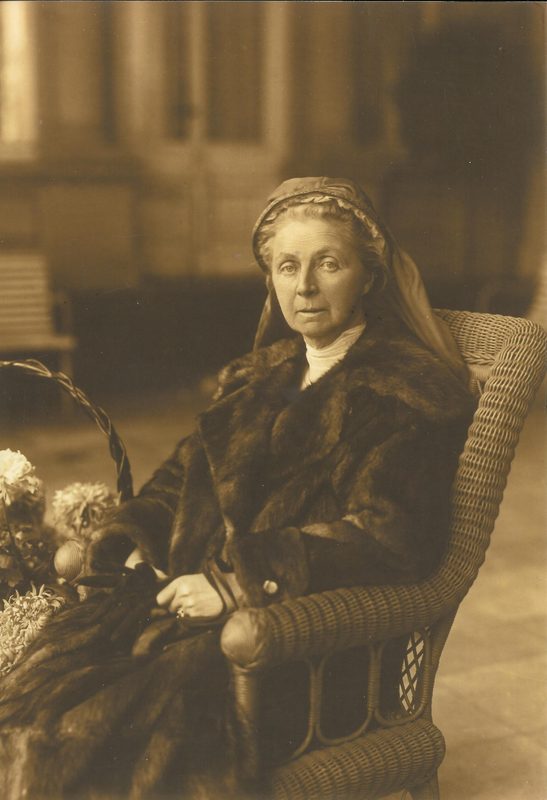
Hobhouse died in London on June 8, 1926. Her ashes were placed in a niche at the National Women’s Monument in Bloemfontein, affirming the enduring esteem in which she was held in South Africa and her legacy as a humanitarian, reformer and advocate of peace.
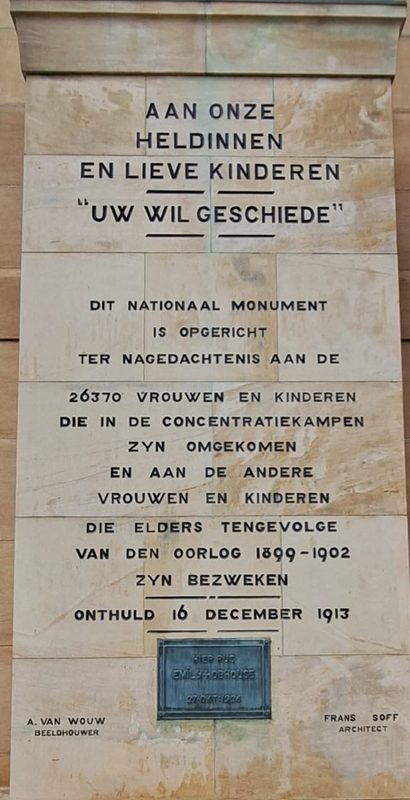
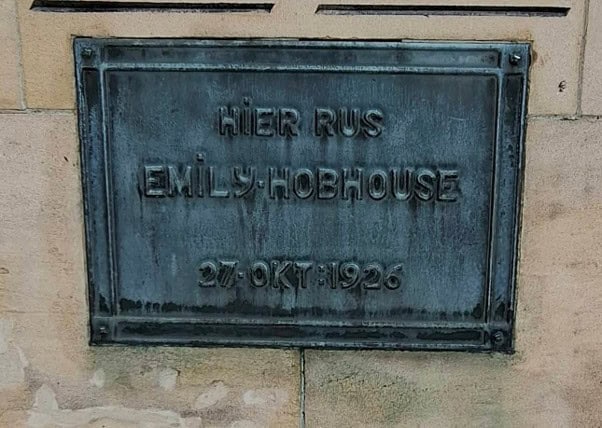
A heroine from afar, she made a difference in the lives of many people in the concentration camps and continued her important work after the war. She came to Middelburg to help.
We honour her memory and say thank you for what she did for those in need.
Bibliography available from the author.


