GovTech 2016 event
MIDRAND – Sita and the Department of Telecommunications and Postal Services hosted GovTech at Midrand's Gallagher Convention Centre.
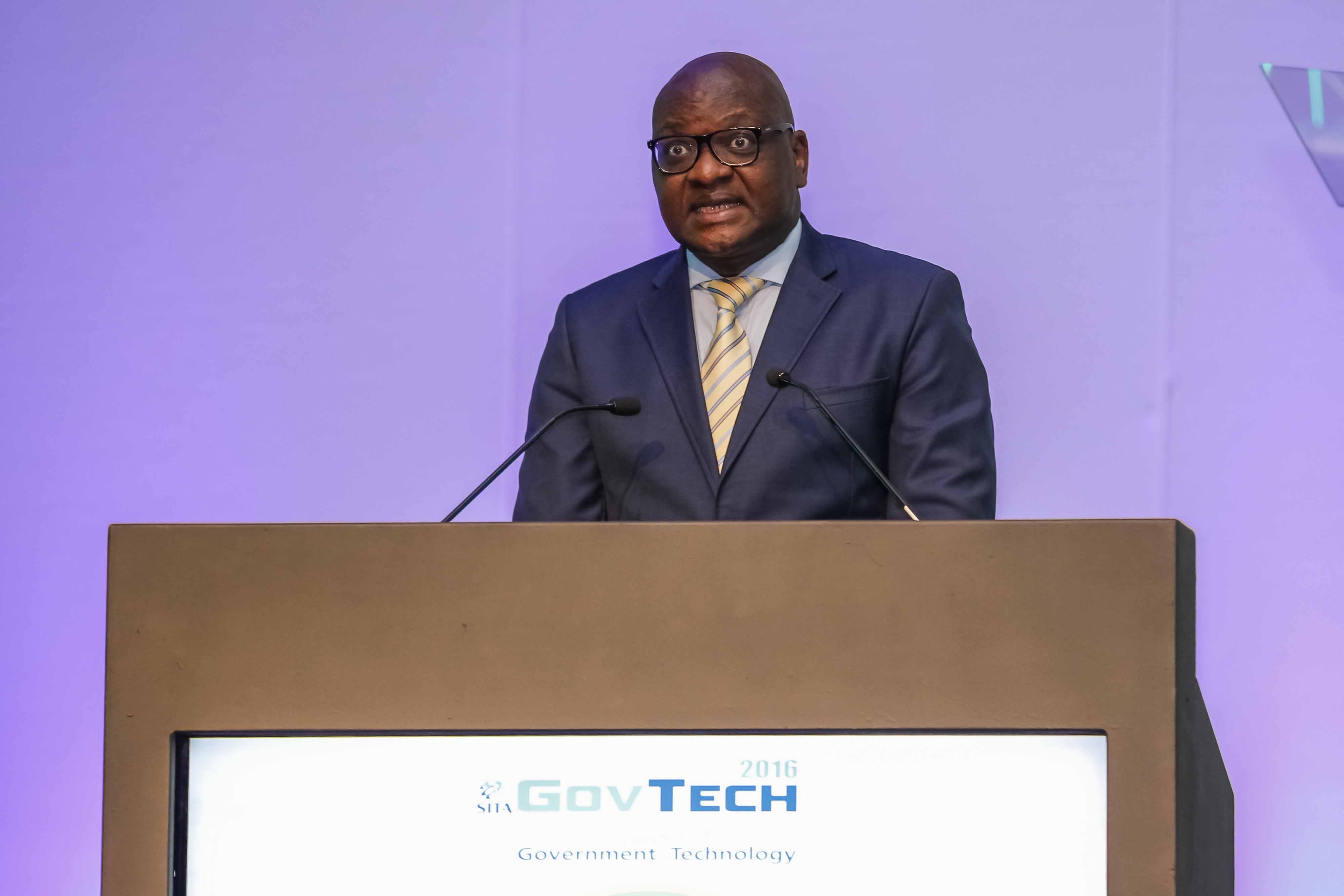
GovTech 2016 was hosted in Gauteng by the State Information Technology Agency (Sita), a major driver of ‘e-government’, together with the Department of Telecommunications and Postal Services.
High-level representatives who shared their insights with the more than 1 600 delegates included Minister of Telecommunications and Postal Services, Dr Siyabonga Cwele; Professor Hlengiwe Mkhize, Deputy Minister of Telecommunications and Postal Services; and the Gauteng Premier, David Makhura.
They were joined by the Sita acting chairperson, Zukile Nomvete, and CEO, Dr Setumo Mohapi, who believes that the deepest impact can be made by focusing on developing small, medium and micro enterprises (SMMEs) in the South African ICT industry.
Makhura participated with a number of representatives from government in a high-level plenary, marking the opening of GovTech 2016 on 31 October at Gallagher Convention Centre in Midrand.
At the three-day conference, the Premier said that he was proud of the progress Gauteng had achieved in positioning itself as a ‘smart’ province that was being administered by a ‘smart’ government.
He further said that the province would continue to invest in information and communications technology (ICT) infrastructure, having already harnessed the power of ICTs to improve accessibility to education and healthcare.
“SMMEs remain the biggest potential generators of economic growth and should, therefore, be the focal point of digital initiatives of State. We need to find ways to develop robust and vibrant participants in this sector,” Mohapi said.
According to Mohapi, there was a causal relationship between the country’s ICT readiness as characterised by its investment and the global economic competitiveness and the reality was that between 2010 and 2016 the State’s investment in ICT grew, albeit disproportionately to the ICT usage and effectiveness with a lesser impact on the society.
Mkhize said that accessibility remained a significant challenge, especially in the rural areas of the country, despite the significant progress made in areas of the country, in terms of improving connectivity. Continuous investment in infrastructure development, improvement of bandwidth and the proliferation of citizen-centric e-government services among others would improve accessibility levels.
“We have a highly unequal society. Some towns in the country boast more than a 200 per cent connectivity rate and others areas have not benefitted from any access. The fact of the matter is that the majority of the rural areas of the country remain unconnected,” said Mkhize.