IN PICTURES: Work ‘clever’ to eliminate maternal deaths
MIDRAND – MSD for Mothers launches vital new programme to help end maternal death.
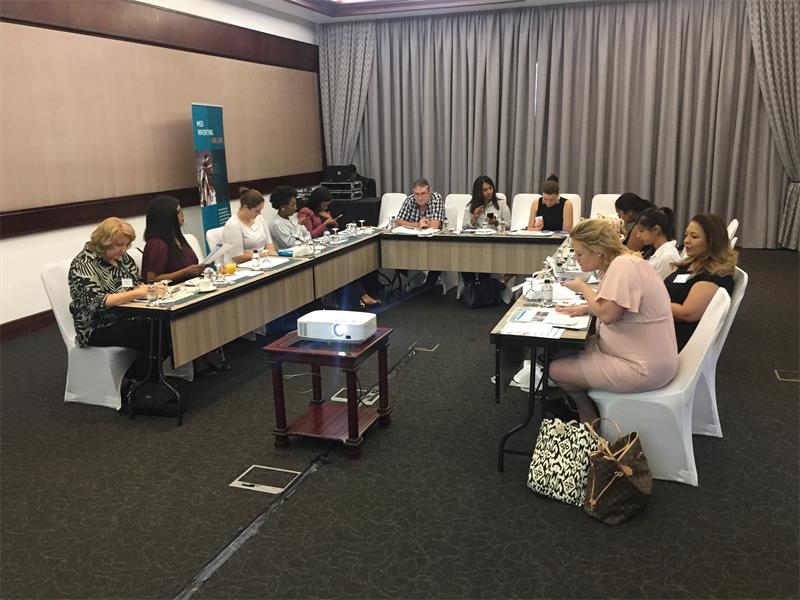
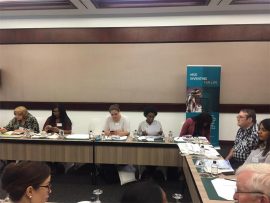
Pharmaceutical company Merk, Sharpe and Dohme (MSD) awarded the Faculty of Health Sciences at the University of Pretoria, the 2019 MSD for Mothers grant.
The MSD for Mothers established a 10-year global initiative to create a world where no woman dies while giving birth. The programme in partnership with the National Department of Health aims to decrease and eventually eliminate maternal mortality.
Director of the university’s maternal and infant health care strategies research unit, Prof. Robert Pattinson thanked MSD for the grant and was optimistic that this programme would help end maternal deaths.
“Since 2009, we have seen a 33 per cent drop in the maternal mortality rate in South Africa,” he said.
“It is important for society to end preventable maternal deaths because the mother is the heart of the home, if you take away the heart from the home, society disappears.”
Pattinson unveiled the CLEVER progamme which stands for Clinical care, Labour ward management, Eliminate barriers, Verify care, Emergency obstetric stimulation training and Respectful care. The programme is a result of the MSD grant, was launched at the Gallagher Convention Centre on 11 December. The intervention will focus on training nursing staff, equipping them to deal with maternal distress and improve the quality of care in the midwife-led obstetric units and district hospitals.
Although there has been a decline in the last decade of maternal moralities related to HIV, bleeding and hypertensive disease are still the main contributors.
“The decline in HIV related maternal moralities is due to the antiretroviral programme. There has been a 22 per cent decrease in maternal deaths related to bleeding. Hypertensive diseases have either increased slightly or stayed the same. As non-pregnancy related infections such at TB and meningitis become less important, our emphasis needs to change although not ignoring the impact of HIV,” added Pattinson.
The CLEVER package was developed to improve care in the labour ward, the respect for care and providing women with a positive child birthing experience.
“To ensure that this initiative is sustainable, there is a training programme [for healthcare professionals] that will include regular drills, peer and independent monitoring. This programme must also be introduced at the medical school and nursing departments and as part of pre-service, doctors and nurses that come into the system they are aware and know what to do. ”
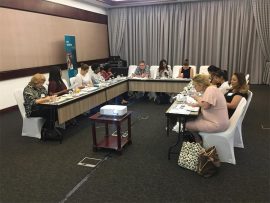
Previous grant recipient, the Foundation of Professional Development, briefed the media on its MSD for Mothers Obstetric Emergencies programme.
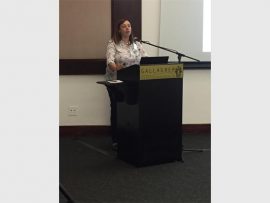
Its project manager Sunet Jordaan said although significant progress had been made over the past years, South Africa’s maternal mortality rate figures remained very high at 116.9 per 100 000 live births.
“The Foundation for Professional Development implemented the MSD for Mothers – South African public sector obstetric emergency medical services systems in 2016,” she said.
“Our focus in on the health and healthcare of babies and pregnant women during the ambulance transfer to health facilities. ”
The programme reviews the EMS call centre scripts, updates the emergency maternal health service data collection tools and training of EMS staff.
This is to ensure that when an ambulance is dispatched, it is with the right intention, it is the right type of ambulance and to the right person.
It is implemented in five health distressed areas in the country: Amathole (Eastern Cape), Capricorn (Limpopo) and Nkangala, Ehlanzeni and Gert Sibande in Mpumalanga.
The programme has so far trained 332 EMS basic live support staff.
“The average length of travel in the ambulance can be between 60 and 120 minutes in the different districts we are working in.”
Jordaan added that they are proud of the impact and sustainability of their programme, and believe that this will be sustainable and reduce maternal mortality
“The standardised call centre scripts have been shared with the national department of health. We have designed an interfacility transport policy to ensure that the interfacility transport across South Africa is done in the same consistent manner and we have engaged with regional managers of training centres for budgeting for future training.”
Jordaan concluded that the ‘intended outcome is to reduce maternal mortality through the provision of high quality, standardised care and management during maternal transportation’.
Over the past six years, MSD for Mothers has reached more than six million women across more than 30 countries around the world, contributing to the global effort to save women’s lives.
MSD medical director for Sub Saharan Africa, Dr Khanyi Mzolo said the pharmaceutical company continued to work with more than 100 partners across sectors, with governments to improve access quality to maternal health.
“In 2012, there was a programme that we handled that looked at building capacity in the Free State and the Eastern Cape, as far as maternal mortality is concerned,” said Mzolo.
“The second programme with the Foundation for Professional focused on the quality of emergency care offered to mothers experiencing obstetric care. Recently we also approved the CLEVER programme in partnership with the University of Pretoria.”
Mzolo added that MSD had over the past five years trained cohorts of graduates through learnership programmes, and half of these graduates have been absorbed by MSD.
“We have gone beyond MSD for Mothers. We have invested in schools and other educational programmes, making sure that children in this country have access to good education and can benefit from some of the work we do.”
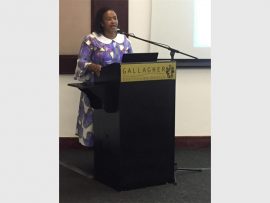
Deputy director-general at the South African National Department of Health, Dr Yogan Pillay acknowledged the partnership between MSD. “It is clear that without the necessary partnerships it is difficult for government alone, to make the changes we would like to see,” he said.
“Professor Pattinson and his team recently presented the ‘Save the Mothers’ report to the National Health Council. Through this report, we need to figure out how to provide accessible and quality service.”
The National Department of Health launched the ‘side by side’ campaign. The idea behind the campaign is using the road to health booklet, which is given to new mothers for health staff to monitor and record a child’s heath.
“This campaign will ensure that we ensure three things: we need to make sure that newborn babies survive, these babies must not only survive but they must thrive, and we need to transform the health and social systems to make sure that we get the kind of reductions in moralities that we are looking for,” added Pillay.
Although early antenatal visits have increased over the past few years, Pillay wants to see more mothers coming in, in the first 14 to 15 weeks for antenatal care.
“We have 54 000 community health workers across the country, we must involve communities and community health workers, to encourage people to go to antenatal care and monitor pregnancies.”
According to the report, there are significant skills deficiencies in health workers, doctors, midwives and nurses.
“We hear many anecdotal stories about disrespectful staff in the context of the labour wards. We will use the CLEVER programme to focus on how to skill up health workers throughout the value chain equally to ensure that they have the right attitudes when dealing with pregnant women.”
Pillay concluded that the National Department of Health was committed to decreasing maternal, neonatal and child mortality.
“This project must help us with the ‘how’. In a shorter time than the three years that we have, we will start to show real declines in maternal and neonatal mortality.”