Vet cares for bird shot by pellet gun
GLENFERNESS – It is illegal to discharge a firearm in a built-up area. In addition, harming birds and other wildlife is against the municipal by-laws and in contravention of the Animals Protection Act 71 of 1962.
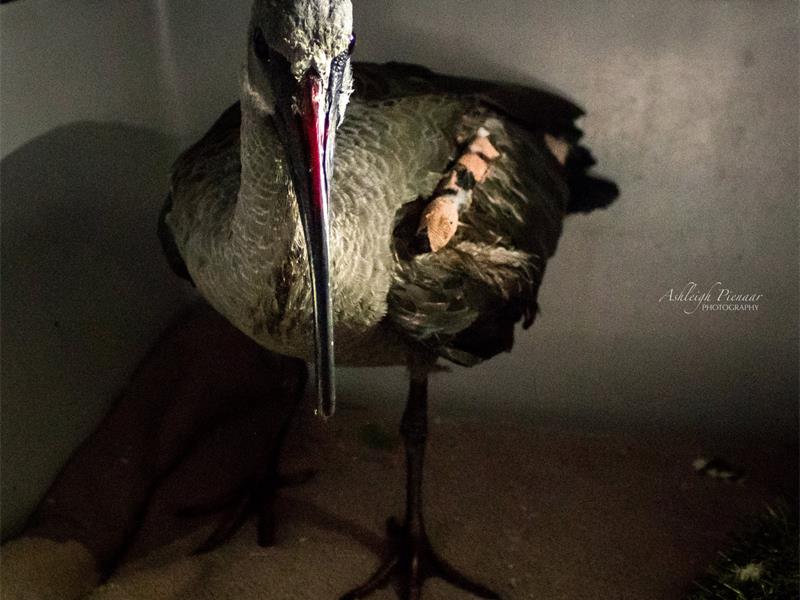
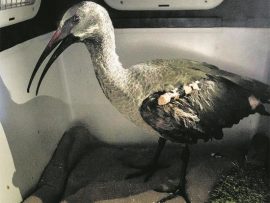
The Johannesburg Wildlife Veterinary Hospital in Glenferness recently welcomed a hadeda ibis (Bostrychia hagedash) into their facility for treatment.
Wildlife rehabilitation specialist and director at the hospital Nicci Wright said that a Lonehill family brought in the bird, which was unable to fly.”We immediately examined the bird and found a fracture of the left wing.
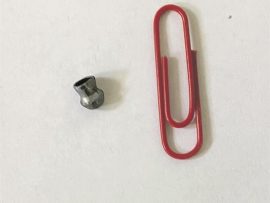
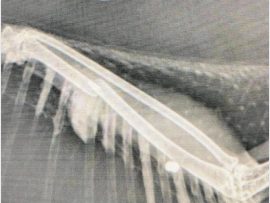
Radiographs revealed that the poor bird had been shot with a pellet gun. This had resulted in a fractured ulna and the pellet was left embedded under the skin,” said Wright.She explained that the doctor was able to remove the pellet from the wing and put the bone back in place with an external fixator.”With this medical intervention and cage rest, the fracture should heal within four weeks.”
Wright said that once the fixator is removed, the hadeda will have time in a flight enclosure to build up strength in that wing.”Once the bird’s rehabilitation is complete, it will be released back into its home territory.”
Wright added that it is illegal to discharge a firearm (including an air rifle) in a built-up area. This information is contained in the Firearms Control Act 60 of 2000, Section 120 (3)(b). In addition, harming birds and other wildlife is against the municipal by-laws and is also in contravention of the Animals Protection Act 71 of 1962, which can lead to prosecution.
“Hadeda ibis are sometimes considered a noisy and irritating bird by some people,” said Wright.”They live in suburbia in numbers because we have created the perfect habitat for them. There is lush, irrigated lawn everywhere with plenty of earthworms, Parktown prawns and other insects which are easily found on soft earth. Ponds and mini wetlands also provide damp earth and insect life is prolific because of people’s growing awareness against the use of pesticides. All of this together with the fact that our cities and towns have so many large trees which provide nesting opportunities for hadeda ibis, are the reasons why they occur in urban environments.”
Community members are encouraged to support the Johannesburg Wildlife Veterinary Hospital which treats indigenous wildlife free of charge, relying on the community for donations.
Details: For more info, go towww.johannesburgwildlifevet.com