Children find ways to save the planet
KYALAMI – Mark Naidoo, who is group head of academics and innovation at Kyalami Schools, explained that the Steam (science, technology, engineering, arts and maths) project-based learning programme for ocean plastic was really to bring awareness around plastic waste in the oceans and how it affected our oceans.
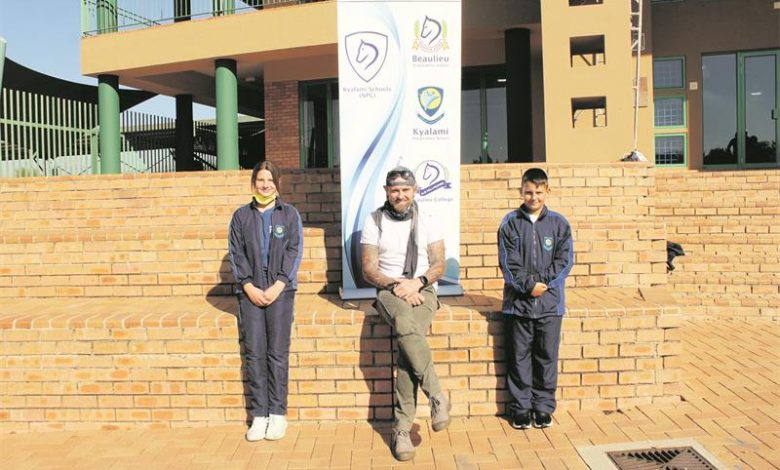
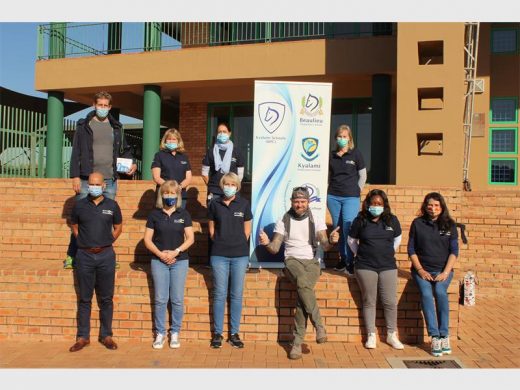
Kyalami Schools launched their Steam project-based learning programme on 5 April which will allow learners the chance to come up with ideas and models which can be used to save marine life and the planet.
Kyalami Preparatory School and Beaulieu Preparatory School, who form part of Kyalami Schools will be taking part in the programme. Steam refers to science, technology, engineering, arts and maths.
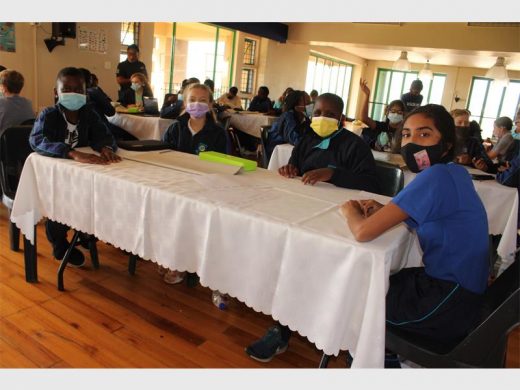
Mark Naidoo, the group head of academics and innovation at Kyalami Schools, explained that the Steam project-based learning programme for ocean plastic is really to bring awareness around plastic waste in the oceans and how it affects oceans.
He added that the programme was linked to one of the United Nations’ sustainable goals which talk about reducing plastic waste in oceans, as well as bringing awareness to children.
“Through this UN-sustainable goal we would like to make our learners more aware of the relevance of what they are learning.
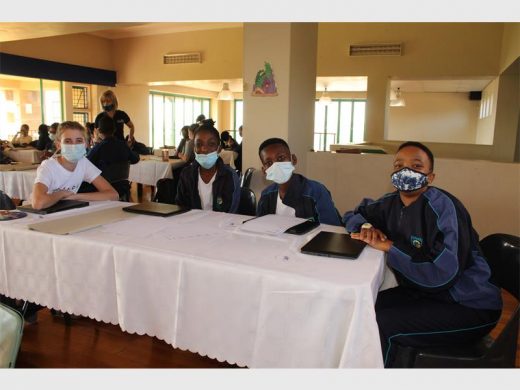
“We would normally do this in our school curriculum but we thought that project-based learning would be a great vehicle for enquiry-based learning and to help the children understand how to learn through that lens but also then incorporate a number of subjects.”
Naidoo said that through the Steam subjects the learners will incorporate them into a cohesive project which will translate to the children coming together to create a prototype on how to look at reusing plastic waste.
He concluded that the prototype could be a model or research idea.
Guest speaker and passionate environmentalist Sean Williams spoke to the children on the importance of saving the planet.
He said it was important to make the learners aware of what was happening and the distraction of what we as humans were doing.
“Many scientists and programmes will tell you that if we do not change as a species on how we look after the planet by 2050 this planet will be inhabitable.
“Therefore the future generations will be younger than me living in a toxic environment not living like we are today breathing fresh air, being able to swim with turtles in the oceans, see rhinos in parks and so forth.”