Nephrologist from local hospital speaks kidney awareness
As often as doctors see female patients, the nephrologist suggested to men that they visit their doctors and get checked as well.
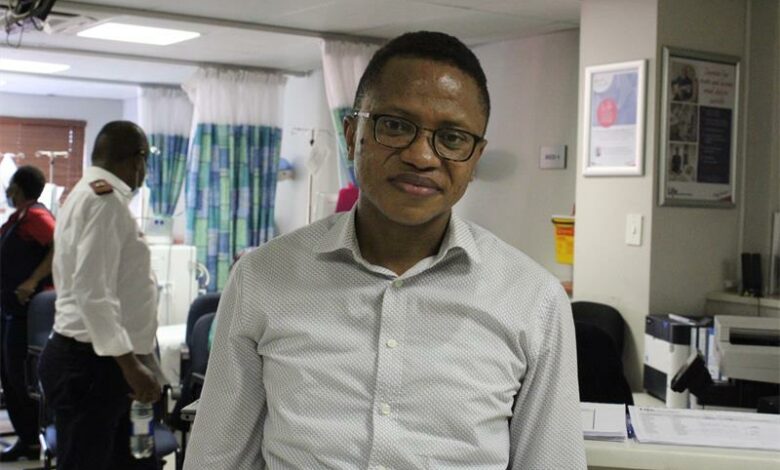
Life Carsenhof Hospital celebrated World Kidney Day on March 10 by holding a talk by Dr Moses Mahlangu, a nephrologist at the hospital, to educate staff members about kidneys.
World Kidney Day seeks to raise awareness of the importance of healthy kidneys to one’s overall health and to reduce the incidence and consequences of kidney disease and its associated health problems.
Mahlangu explained to the staff that people with chronic renal dialysis were often supported by allied health professionals to enable them to cope with their condition during this journey.
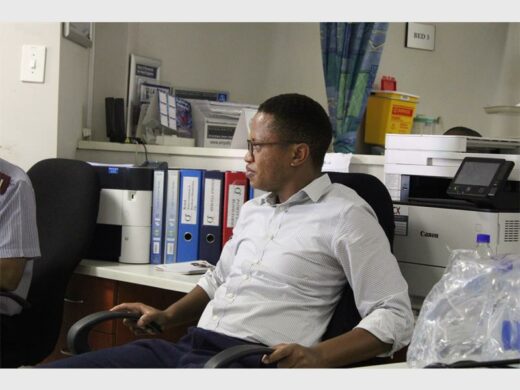
“Allied health professionals provide services in the identification, assessment, and prevention of diseases and disorders, dietary and nutrition guidance, rehabilitation, and health system management,” Mahlangu said.
Chronic renal dialysis is a longstanding disease of the kidneys leading to renal failure. According to Mahlangu, the kidneys filter waste and excess fluid from the blood. As kidneys fail, waste builds up.
Mahlangu believed that it was essential to educate hospital staff on kidney awareness and the importance of caring for kidneys as there were many factors to consider when dealing with kidney patients.
He urged men to visit their doctors and get their kidneys checked.
“Most men don’t visit hospitals very often until it’s too late, and not only for kidney-related diseases but also for other ailments. Men should consult their doctors because a minor problem can be treated when it is still ‘fresh’, but once it has grown ‘old’, the problem becomes far more serious.”
Mahlangu believed that raising awareness of such diseases was not merely the responsibility of the government but also that of health care workers and their facilities.
“The government has too much information, they are overstretched. The government just needs to hire more staff to inform the community about these diseases. I witnessed this when I was at George Mukhari Hospital, where patients attended awareness events in great numbers.”
He advised kidney patients to consult renal dietitians as they were critical in managing chronic kidney disease. “Renal dietitians have more training in how diet affects kidney function, bones, and the heart.”