EFF and DA calls on government to take accountability and action on water outages
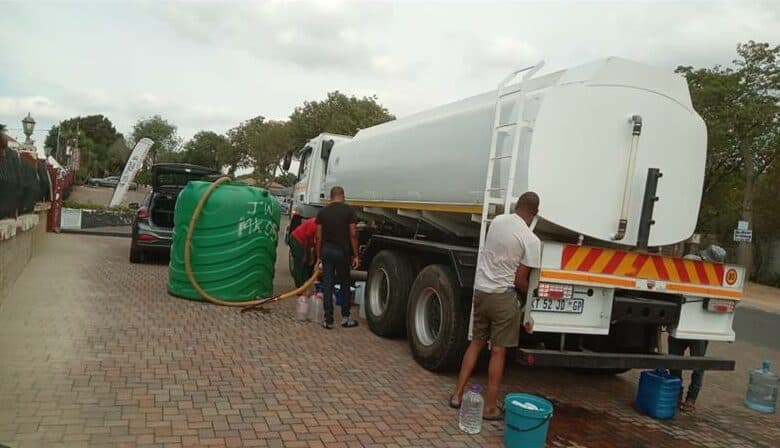
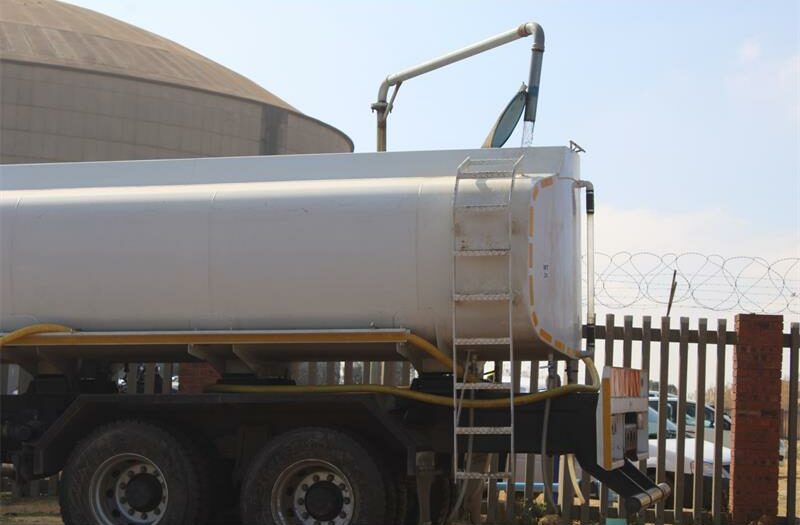
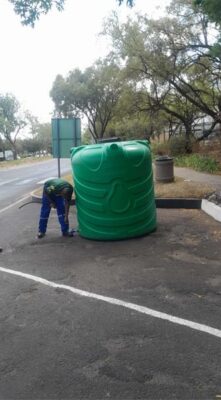
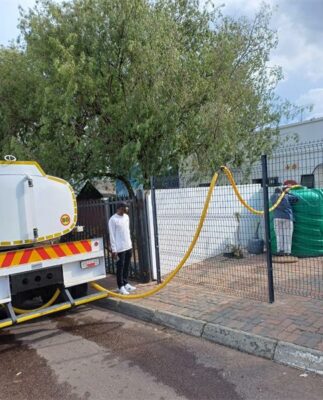
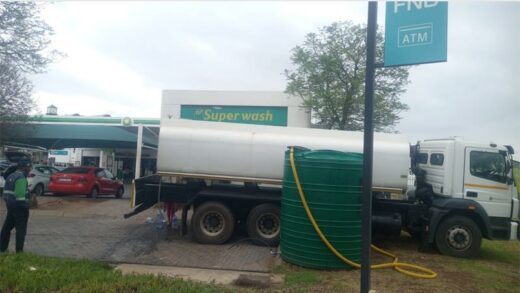
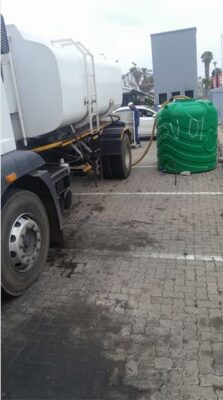
For over a week, Midrand residents have been left without reliable access to water, forcing many to rely on tankers distributed at various locations, including the Vorna Valley Old Age Home and Midrand Fire Station.
The Economic Freedom Fighters (EFF) and the Democratic Alliance (DA) in Gauteng are alarmed by the ongoing water outages in Johannesburg.
This includes areas in Midrand whose residents have been relying on water tankers positioned at various locations including Vorna Valley Old Age Home, Spar Vorna Valley, Midway Mews, Crowthon Shopping Centre, and Midrand Fire Station.
Read more: How do water meters work?
In a statement released on November 8 by EFF provincial chairperson Nkululeko Dunga and communications officer Dumisani Baleni, the party condemned the water crisis impacting Midrand, Fourways, Waterfall, Buccleuch, Kyalami, and surrounding areas, leaving thousands without water for nearly a week.
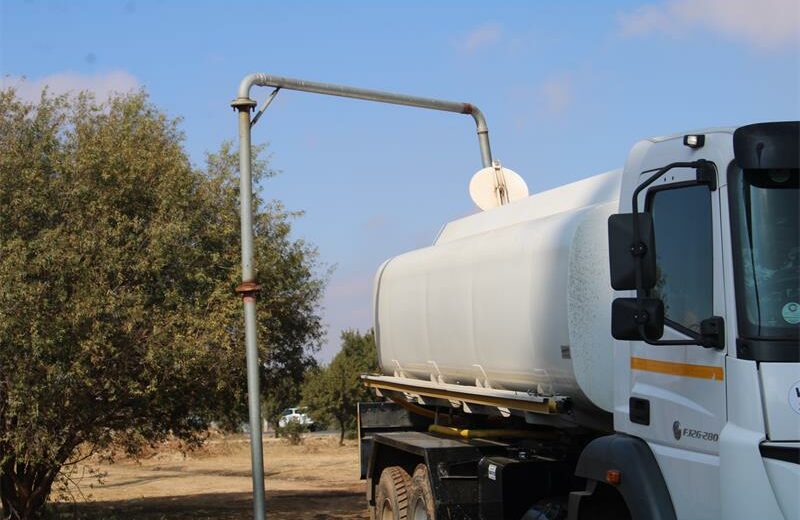
The EFF described the crisis as a humanitarian issue that severely affected the well-being and dignity of vulnerable groups, including the elderly, children, and people with disabilities. They criticised the limited and unreliable water supply from tankers, which exacerbates the hardships faced by these communities.
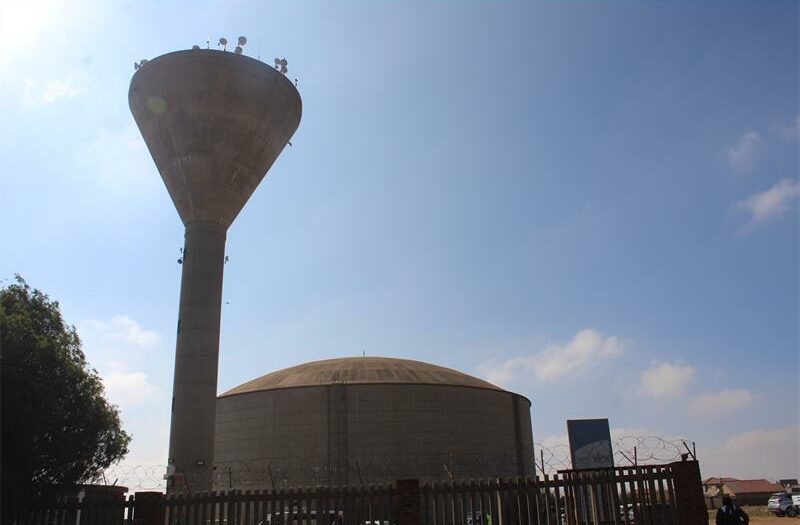
While the crisis has been partly attributed to recent power failures at the Palmiet pumping station, the EFF argues that the core issue stems from years of neglect and inadequate investment in Johannesburg’s water infrastructure.
“Johannesburg’s decades-old water system has deteriorated due to insufficient maintenance and development, making it increasingly prone to failures. This situation has worsened with the city’s growing population, climate change, and unacceptable technical water losses,” stated the party.
The EFF also pointed out that the situation has been worsened by the ANC’s alleged practice of cadre deployment within the Johannesburg Water Board, appointing individuals lacking the necessary expertise to manage this critical infrastructure. They criticised this political patronage for undermining Johannesburg Water’s effectiveness and failing to prioritise skilled leadership.
Additionally, the EFF expressed concern over the ongoing blame-shifting among Johannesburg Water, Eskom, and the municipality. They noted that instead of taking responsibility, officials are engaged in misinformation, leaving residents frustrated and confused. The EFF emphasised that Johannesburg Water had consistently failed to provide clear communication, eroding trust among the public and their representatives.
The EFF stands in solidarity with Johannesburg residents, acknowledging their frustrations and pledging to hold water department officials accountable.
DA deputy spokesperson Stephen Moore also expressed concern over the ongoing water outages.
“This crisis, triggered by a single technical fault at Rand Water’s Palmiet pump station, has exposed the vulnerability in the province’s water infrastructure, revealing just how water-insecure our communities are,” said Moore.
Moore highlighted discrepancies in reports regarding the cause of the disruptions, with Rand Water initially blaming Eskom for a power failure, while Eskom clarified that the issue was due to a damaged circuit breaker. He criticised Rand Water’s lack of transparency, stating that the public deserves to know the full truth, especially as minor disruptions should not lead to widespread outages.
The DA pointed out that insufficient reserves in municipal reservoirs left communities ill-equipped to handle both short-term interruptions and long-term challenges. They called for urgent attention to address the failures in maintaining and upgrading water infrastructure, emphasising that Gauteng’s system was unprepared for current pressures.
Also read: Water is scarce, but there is water – JW spokesperson
The DA urged Rand Water to communicate transparently with the public about the disruptions and to take immediate steps to enhance infrastructure resilience. They also called on Gauteng municipalities to prioritise infrastructure maintenance and water resource management to protect residents from future outages.
Government collaborations to implement large-scale awareness campaign on water conservation.
In response to the water crisis, the Minister of Water and Sanitation Pemmy Majodina held an urgent meeting on November 10.
The meeting included key stakeholders such as Gauteng Premier Panyaza Lesufi, deputy ministers David Mahlobo and Sello Seitlholo, MEC Jacob Mamabolo, Johannesburg Executive Mayor Dada Morero, and Rand Water leadership.
A consensus on the causes of water supply interruptions and measures to restore stable water access for residents was reached.
Johannesburg Water purchases treated water from Rand Water, which obtains raw water from the Department of Water and Sanitation (DWS). Rand Water extracts this water from the Integrated Vaal River System (IVRS), comprising 19 interconnected dams, including key sources such as the Vaal and Sterkfontein, and Katse, and Mohale dams in Lesotho.
To ensure reliable supply, DWS limits Rand Water’s annual abstraction from the IVRS to 1 802m cubic meters. Growing demand from economic and population increases has been anticipated since the 1980s, leading to the Lesotho Highlands Water Project (LHWP), which enhances IVRS’ water supply.
The first phase was completed in 2003, supplying 780m cubic meters annually, while the second phase began construction in late 2022 and is expected to deliver an additional 490m cubic meters by 2028.
In preparation for the second phase’s completion, Rand Water is implementing a R35b rolling capital works programme over five years to enhance storage and treatment capacity. It has already increased the Zuikerbosch Water Treatment Plant’s capacity by 150m litres per day, with plans for further upgrades by 2028.
The current maintenance of the Lesotho Highlands Tunnel does not affect Rand Water’s abstraction limits. The Vaal Dam is approximately 33% full, with protocols in place to release water from other dams if levels drop to 18%.
Rand Water is already meeting the DWS abstraction limits, thus it cannot supply more water to Gauteng municipalities until the second LHWP phase adds capacity in 2028. The primary issue causing Johannesburg’s supply disruptions is that peak demand occasionally exceeds available supply, making the system vulnerable to breakdowns or high demand during heat waves.
The meeting also emphasised the need for Johannesburg to address leaks in its water distribution system and to expedite the construction of reservoirs and pumping stations to enhance resilience.
The 2023 No Drop report indicates water losses in Johannesburg at 35%, much higher than the international norm of 15%. Addressing these losses requires a multi-faceted approach, including improving billing, revenue collection, pressure management, replacing old pipes, and ensuring accurate measurement of water use.
The meeting supported the city’s approval of a turnaround strategy for Joburg Water, which aims to allocate water sale revenues specifically for water management and create accountability for all city water functions.
Even with the second LHWP phase in operation, long-term water management is essential due to constraints on further affordable supply expansions. Gauteng’s average water consumption is 279 litres per person per day, significantly above the global average of 173 litres, which is problematic for a water-scarce country such as South Africa.
In response, DWS, Rand Water, the provincial government, and municipalities are collaborating with civil society and business leaders to implement a large-scale awareness campaign on water conservation.
An independent body, the Platform for a Water Secure Gauteng, has been established to oversee this initiative, including a dashboard on the DWS website for public updates on water supply status.
Political leaders are optimistic about the urgency of these actions, with weekly meetings scheduled to monitor progress.
Lead 3 headline: Johannesburg Water presented the measures which it is implementing, which include:
- Throttling of water supply between 21:00 and 04:00, to enable reservoir levels to recover overnight. The city intends to implement this continuously from November 14 until the system has fully recovered.
- Procurement of a panel of contractors for emergency repairs of large diameter pipe water leaks as well as increasing the number of teams on standby during the week to attend to leaks and burst pipes.
- Increasing the number of repair and maintenance teams on duty during the weekend to improve leak repair response times from 48 hours to 24 hours.
- Increasing the number of trucks available to its leak repair and maintenance teams.
- Implementing cut-offs of illegal connections in key informal settlements.
- Implementing advanced pressure management systems, including the installation of 45 smart pressure controllers (pressure-reducing valves), in addition to the 15 which have been refurbished and retrofitted to date. This is aimed at reducing water losses at night when demand is low, which will substantially reduce water losses.
- Accelerating leak detection (to date, 12 100km water pipelines have been surveyed and 2 396 burst pipes, 6 727 leaking meters, 442 leaking valves and 259 leaking hydrants were identified and repaired.) This intervention has provided an estimated water demand reduction of 9 457m litres per annum.
- Working with the National Treasury to put in place a Public Private Partnership for the reduction of non-revenue water, to mobilise private sector funding and expertise for reducing non-revenue water.
Follow us on our Facebook, X, Instagram and TikTok pages. Join our WhatsApp group for any story ideas you may have.
Related article: Water outages protest affects other municipal services