Recent rains ‘may’ improve water supply and pressure in President Park
Despite recent rains, Johannesburg Water is monitoring various reservoir levels, including the strained President Park reservoir.
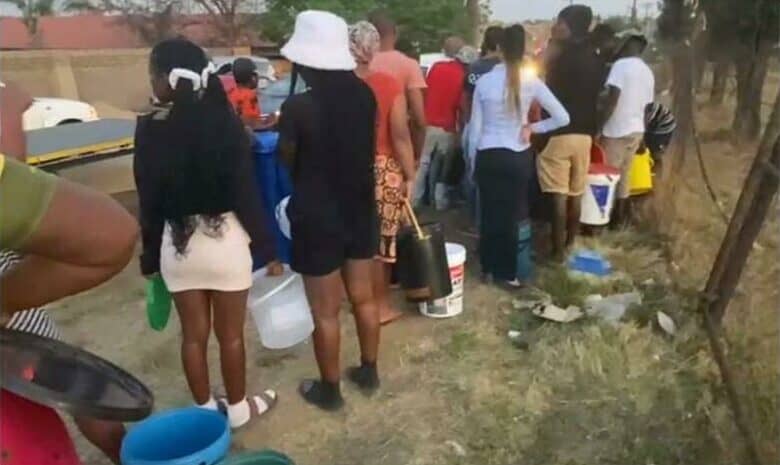
While the recent rains of 2025 may improve dam levels, the immediate impact on reservoirs, like President Park in Midrand, will not be direct or instantaneous.
These were the words of Johannesburg Water (JW) spokesperson Nombuso Shabalala.
Read more: Families of loved ones are reminded to visit possible sunken graves as rainfall can cause this issue
She said this when asked by the paper about low pressure in President Park and parts of Ebony Park for the latter parts of last year.
President Park and Ebony Park are serviced by the President Park reservoir, which has been under strain.
While the problem has since been fixed, Shabalala said the rain must first replenish raw water sources, such as dams and rivers, which is then treated and distributed.
“Therefore, immediate improvements in reservoir levels depend on the efficiency of the supply chain – from treatment plants to pump stations and the final reservoirs. In the case of President Park, the current conditions and system demand have limited the direct benefits of recent rains. The recent rains were present but not impactful in that it was not consistent over a reasonable time to impact residents in terms of rain harvesting, saturation of gardens and swimming pools, etc,” said Shabalala.
When asked what could have led to this challenge, when other neighbouring suburbs have normal pressure, she said several factors may contribute to variations in water pressure.
Also read: Rand Water: Encroachment is a danger to society
This includes elevation: higher-lying areas which experience lower pressure due to gravity and pump performance, infrastructure: older or stressed infrastructure can lead to inconsistent supply in some zones, and demand: increased water use during certain times can lead to pressure drops in specific areas and water losses.
“Neighbouring suburbs may not face these challenges due to differences in elevation, pipeline distribution, or demand patterns. Water throttling is designed to balance reservoir levels by restricting the flow at night, ensuring sustained supply during peak hours. However, during this balancing process, areas at the far end of the supply network or higher elevations may experience reduced pressure due to technical distribution constraints,” added Shabalala.
She said JW teams are working tirelessly to stabilise supply and address any pressure-related issues in the affected areas.
Shabalala concluded that the entity has put in place some interim supply measures, such as the reconfiguration of the supply system and deployment of mobile tankers, to provide temporary relief to severely affected areas until normal supply is restored.
Follow us on our Facebook, X, Instagram and TikTok pages. Join our WhatsApp group for any story ideas you may have.
Related article: EFF and DA calls on government to take accountability and action on water outages