Experts call for bold, science-led harm reduction strategies at the Wellness Collective Summit
Discussions centred around reducing the risks associated with tobacco use, alcohol abuse, lifestyle-related conditions, and the social stressors that exacerbate poor health outcomes.
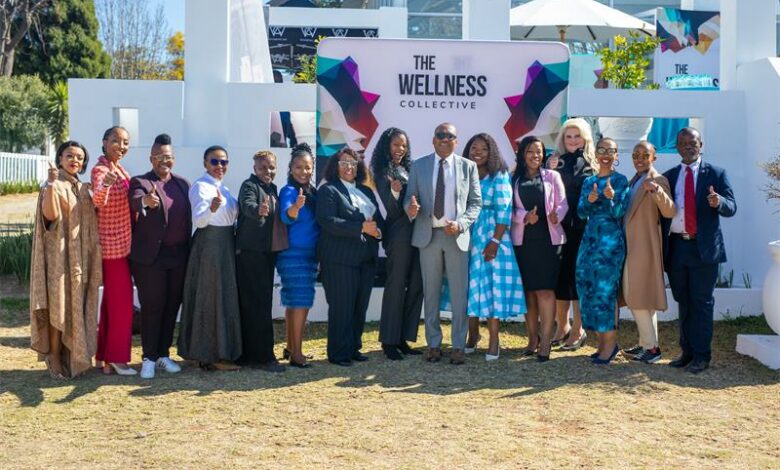
The Wellness Collective Summit, hosted by WomenCan, marked a major step forward in the national conversation on health and well-being.
Held at Pere House on August 5, the event brought together over 250 individuals, including healthcare professionals, private sector leaders, and policymakers, all committed to exploring science-based harm reduction strategies.
Read more: WomenCan’s summit explores future of wellness
The summit focused on practical solutions, which help South Africans make informed health decisions. Discussions centred around reducing the risks associated with tobacco use, alcohol abuse, lifestyle-related conditions, and the social stressors that exacerbate poor health outcomes.
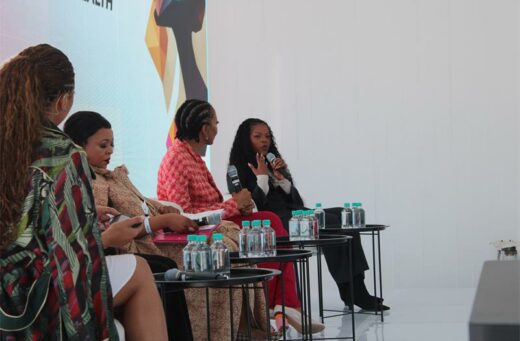
Dentist Dr Pumela Gwengu urged individuals to adopt a proactive stance. “There is a new generation of conscious citizens who are ready to take charge of their own health. Our responsibility is to equip them with tools and knowledge – prevention, education, risk reduction, and wellness promotion – which are backed by science and rooted in public health principles.”
Buhle Binta, head of scientific engagement for Sub-Saharan Africa at Philip Morris International (PMI), issued a compelling call to action. “It is time we move beyond assumptions and towards independently verified science. Harm reduction should not be a taboo – it’s a necessary part of protecting public health. We welcome rigorous, transparent research into our smoke-free alternatives. The stakes are too high for outdated thinking to lead the conversation.”
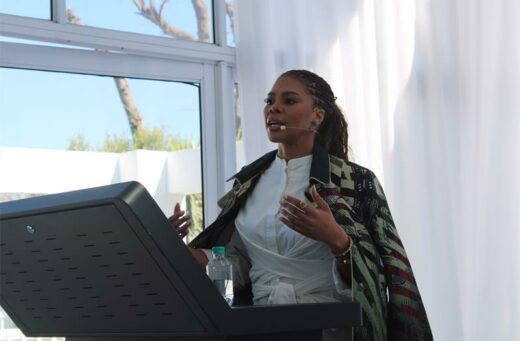
Dr Pholile Mpofu, a leading voice in skincare, addressed the pressing concern of harm reduction in the skincare industry. She highlighted the growing use of unsafe skin lighteners, harsh bleaching products, and unregulated cosmetics, particularly in underserved communities. “Skin is the body’s largest organ. When exposed to harmful and untested chemicals, we risk long-term health issues. We urgently need science-based regulation and an agile, responsive approach from government to protect consumers.”
@caxtonjoburgnorth Dr Bandile Masuku, an alternate member of the Health and Wellness Portfolio and the Chairperson of the Portfolio Committee on Community Safety, delivered the keynote address on behalf of ANC Treasurer-General Dr Gwen Ramokgopa at WomenCan’s Well Collective Summit on August 5. #ANC #Summit ♬ original sound – Caxton Joburg North
She further advocated for increased awareness, transparent product testing, and safe, affordable alternatives for women who are often targeted by the informal beauty market. Her call reinforced the need for collaboration between public health advocates and regulators to prioritise consumer safety.
The summit also highlighted the link between mental health and substance abuse, calling attention to the growing burden of drug dependency across communities. Experts stressed that addressing these crises requires a co-ordinated harm reduction strategy, which includes accessible rehabilitation services, destigmatisation efforts, and targeted interventions.

Dr Confidence Moloko reiterated the importance of stronger collaboration between government, industry, and civil society. “Effective harm reduction is not a solo effort. It demands regulatory clarity, stakeholder alignment, and a firm commitment to health outcomes across all sectors. We must build policies that reflect lived realities and scientific advancement.”
Follow us on our WhatsApp channel, Facebook, X, Instagram, and TikTok for the latest updates and inspiration!