Alarm bells ring as 11 mammal species slip closer to extinction
While some species are showing signs of recovery, the 2025 Regional Mammal Red List paints an overall troubling picture, with one in five mammals now threatened with extinction, and scientists calling for more research, monitoring, and protected areas.
The latest assessment of mammal populations in South Africa, Eswatini, and Lesotho reveals important trends for conservation decision-making and research.
The 2025 Regional Mammal Red List of Threatened Species, conducted by the Endangered Wildlife Trust (EWT) and the South African National Biodiversity Institute (SANBI), in collaboration with 150 species experts, indicates that 11 mammal species have been uplisted, reflecting a declining conservation status.
In contrast, three species have been downlisted, showing an improved status.
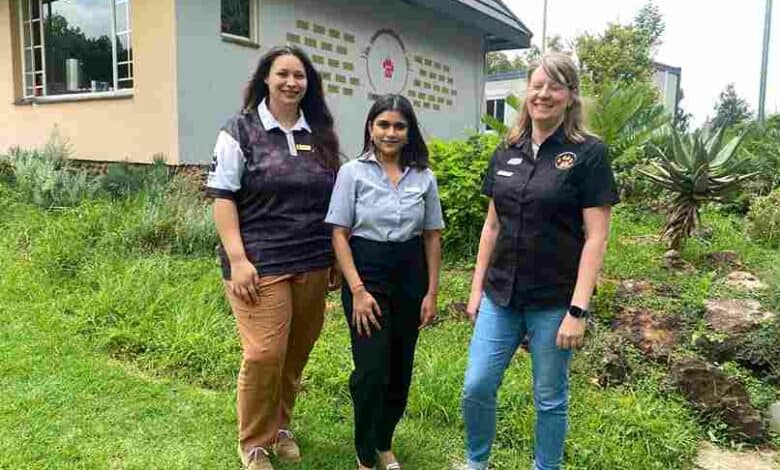
On January 21, EWT released the latest Regional Mammal Red List at its conservation campus in Midrand. Dr Tamanna Patel, a science officer at EWT, noted that 24% of mammal species are poorly protected, or not protected at all, highlighting the urgent need for more protected areas to enhance their conservation.
Read more: Abandoned ducklings rescued thanks to Midrand SPCA and community heroes
“The main threats we identified include climate change and severe weather, habitat loss due to agriculture, and the illegal harvesting and trapping of wildlife.
“There are numerous threats facing endangered species, which are key takeaways from the mammal red list. While 60% of mammal species are classified as of least concern, 20% are threatened with extinction, falling into the vulnerable, endangered, or critically endangered categories.
Additionally, 7% of our mammals are classified as data deficient, indicating that we lack sufficient information to determine their status, necessitating further research into these species.
“We also require more research focused on climate change and population genetics, along with increased sampling and monitoring of mammals, especially in protected areas and forests. These are vital knowledge gaps that we need to address moving forward.”
Notably, the thick-tailed bushbaby (Otolemur crassicaudatus) has been uplisted from least concern to near threatened due to increasing pressures from agriculture, urban development, and emerging threats like linear infrastructure development and climate change.
Also read: Society for Animals in Distress focuses on 2026 with positivity
In contrast, Hartmann’s mountain zebra (Equus zebra hartmannae) has been downlisted from vulnerable to near threatened due to a genuine increase in its population, surpassing the threshold for the vulnerable category.
Out of the 336 species assessed, 67 are endemic to the region, with 42% of these endemic mammals facing threats of extinction. This makes the region fully responsible for their protection and survival.
For more information about the uplisted and downlisted species, grab a copy of the next Midrand Reporter.
Follow us on our Whatsapp channel, Facebook, X, Instagram and TikTok for the latest updates and inspiration!