
Journos jol in city
JOHANNESBURG - Independent and non-independent journalists from all corners of the country recently enjoyed a three-day tour of Gauteng to usher in this year's tourism month.
JOHANNESBURG – Independent and non-independent journalists from all corners of the country recently enjoyed a three-day tour of Gauteng to usher in this year’s tourism month.
Officials of South African tourism explained how the sector had created sustainable job opportunities and businesses for the locals, and thus the theme was based on the promotion of domestic tourism.
First-time experiences were the order of the day for most of the young journalists, starting from boarding a flight, riding quad bikes at Soweto Outdoor Adventures and the strange feeling of being a “tourist” when passing and mingling with the friendly people of Alexandra township.
The journey also led to Kliptown Museum where 600 youths were killed during the Soweto Uprising. The victims included Hector Peterson who was only 13 years old and did not take part in the march. “He was shot while crossing the road to fetch his sister from a nearby school,” explained the tour guide.
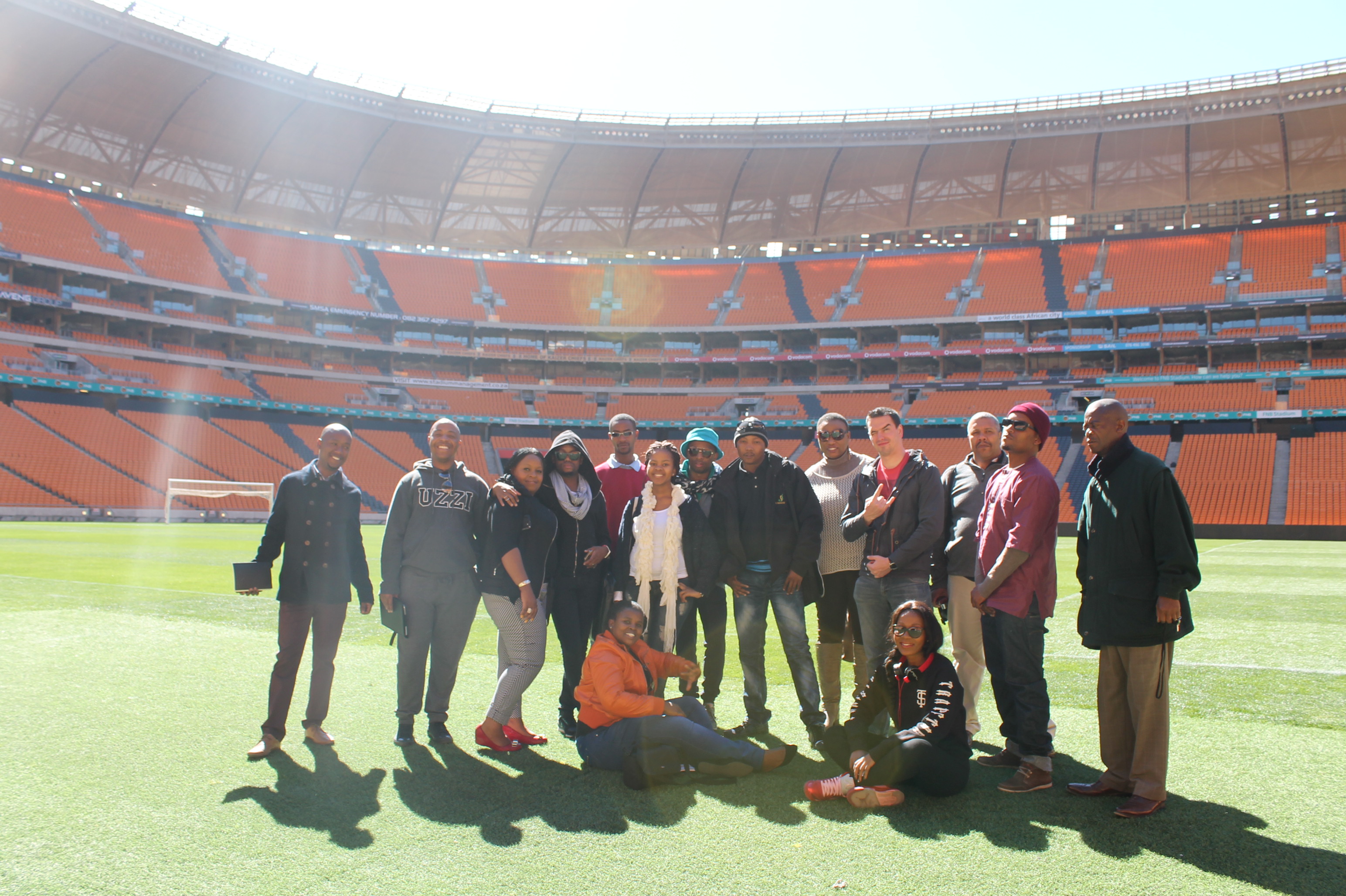
Other memorable events included touring the country’s largest stadium, FNB Stadium which is termed “the Melting Pot” at night and “the Calabash” during the day, mostly because of its oval shape and bright orange colours.
According to Mr Ephraim Nong, a health and safety officer and tour guide at FNB Stadium, a budget of R4,2 billion was used to construct it, making it the most expensive one out of all nine, which shared a R15,3 billion budget. FNB Stadium can accommodate approximately 90 000 people.
“It is ranked the fourth biggest stadium in the world,” said Nong. He was involved in the rebuilding from 2007.
He remembers how Kaizer Chiefs and Bafana Bafana player Simphiwe Shabalala scored the opening goal of the Fifa World Cup.
His other memories includes the secret arrival of soccer legend Diego Maradona four weeks prior to the opening of the 2010 Fifa World Cup, an event missed by many journalists because “he used the South Gates while all photographers and media were expecting him at the east gate,” Nong concluded.