
Five benefits of Wetlands
Wetlands are also home for many species of birds, fish, mammals, reptiles, and amphibians who rely on them for breeding, foraging, and cover.
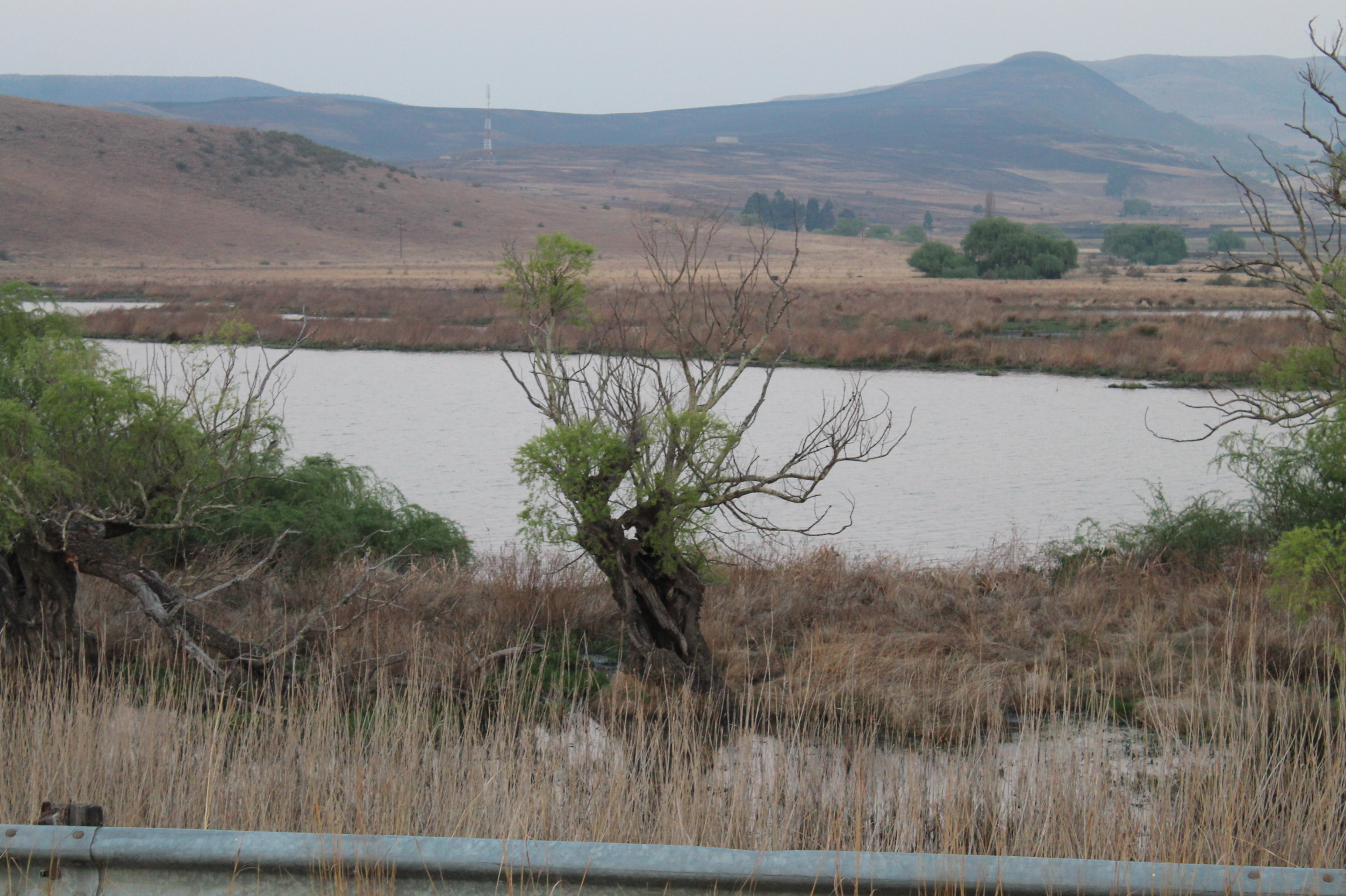
MBOMBELA- February 2 marked the international celebration of Wetlands and hence is a list of five benefits of wetlands in day to day life.
1. Wetlands protect water quality by trapping sediments and retaining excess nutrients and other pollutants such as heavy metals. These functions are especially important when a wetland is connected to groundwater or surface water sources (such as rivers and lakes) that are in turn used by humans for drinking, swimming, fishing, or other activities.
2. They provide some measure of flood protection by holding the excess runoff after a storm, and then releasing it slowly. The size, shape, location, and soil type of a wetland determine its capacity to reduce local and downstream flooding.
3. Wetlands that occur along the shoreline of lakes or along the banks of rivers and streams help protect the shoreline soils from the erosive forces of waves and currents. The wetland plants act as a buffer zone by dissipating the water’s energy and providing stability by binding the soils with their extensive root systems.
4. Aquifers and groundwater are “recharged,” that is, replenished with water by precipitation that seeps into the ground and by surface waters. Those wetlands connected to groundwater systems or aquifers are important areas for groundwater exchange.
5. They are home for many species of birds, fish, mammals, reptiles, and amphibians who rely on them for breeding, foraging, and cover. The special wetland conditions provide unique habitat for species that cannot survive elsewhere. Migratory birds depend on wetlands, and many endangered and threatened animal species require wetlands during part of their life cycle.