DoH cites alarming malaria statistics in Mpumalanga
The Mpumalanga Department of Health shared progress made in combating malaria, reflected on the remaining challenges, and outlined the actions required to protect communities against the disease.
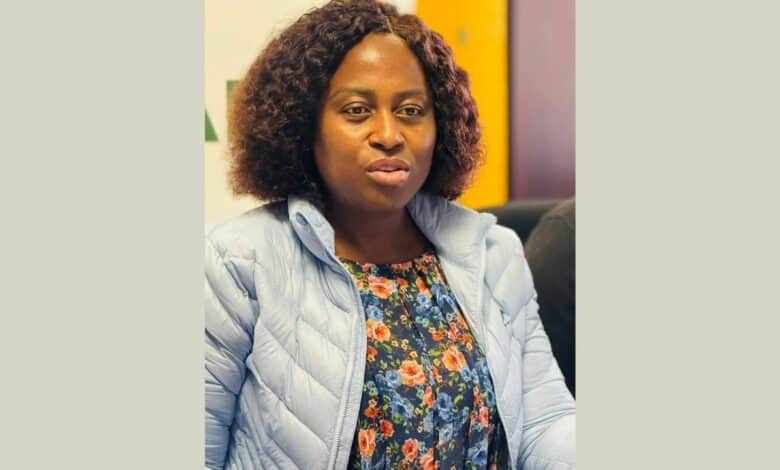
The Department of Health (DoH) MEC, Sasekani Manzini, said defeating malaria requires collaborative efforts with traditional leaders, community leaders, government leaders and community members. She said this while addressing attendees of the provincial commemoration of World Malaria Day.
ALSO READ: World TB Day event raises awareness
Manzini high-lighted progress made in combating the disease, reflected on remaining challenges, and outlined collective action required to protect communities against Malaria.
According to the World Health Organisation, Africa accounted for approximately 95% of global malaria cases in 2024, which amounted to 265 million cases, and 95% of malaria-related deaths, estimated at 579 000 lives lost.
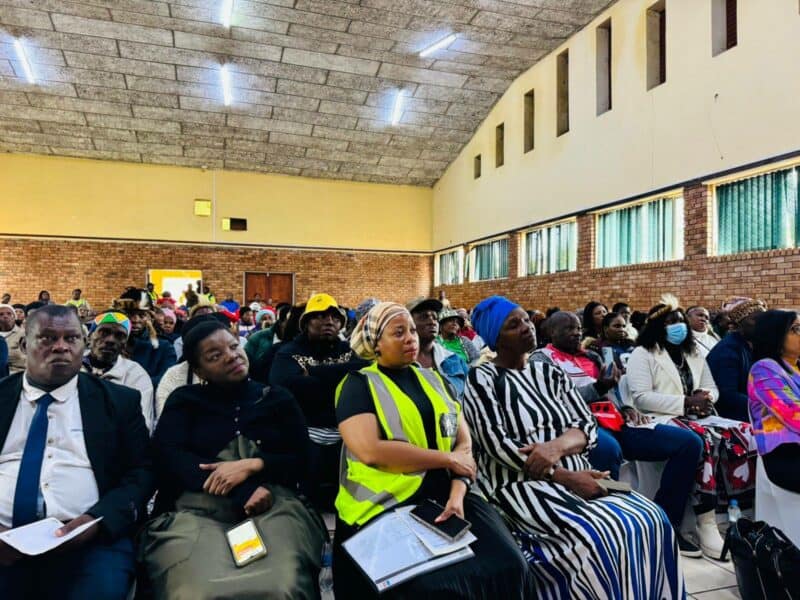
“These figures are a stark reminder that malaria continues to disproportionately affect the continent and demands sustained and decisive action,” she said.
“We urge our people to visit their nearest health facility for medical check-ups to know their health status and to be observant towards malaria symptoms which typically appear in between seven to 30 days after an infected mosquito bite.”
ALSO READ: Floodwaters bring increased malaria risks to Mpumalanga
The symptoms are likely to be flu-like, including high fever, chills, shaking, severe headaches, muscle aches, fatigue, nausea, and vomiting. They may occur in cycles of shivering, fever and sweating. Immediate medical attention is vital to prevent severe anemia and organ failure.
Manzini said the government will continue to intensify efforts to create public awareness and to introduce intervention measures.