
Authorities to address wildlife incursions in Nsikazi South area
Stakeholders will launch co-ordinated engagements and a R37m fencing project to address rising human-wildlife conflict near Kruger National Park communities.

A co-ordinated stakeholder engagement process will be implemented in response to increasing incidents of wildlife incursions in communities adjacent to the Kruger National Park’s (KNP) Stolznek Section and the Mthethomusha Nature Reserve.
The Department of Economic Development and Tourism, the Mpumalanga Tourism and Parks Agency (MTPA), and the KNP, together with key stakeholders, will be implementing these engagements.
ALSO READ: Ehlanzeni District Municipality mayor outlines 2026/27 budget allocations
This collaborative initiative follows ongoing concerns raised by various community structures regarding the growing impact of wildlife, particularly elephants and lions, on surrounding communities.
These engagements aim to create an inclusive platform for dialogue with all interested and affected stakeholders within and around the eight affected villages in the Nsikazi South area.
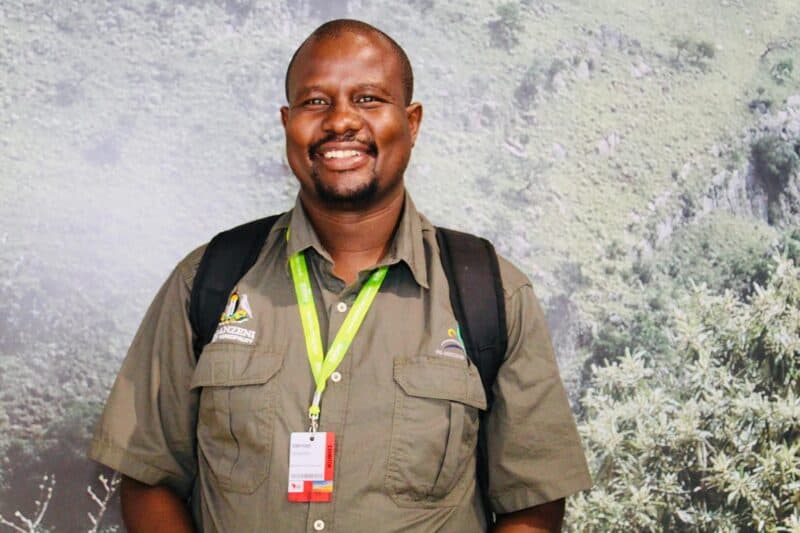
MTPA spokesperson Simphiwe Shungube said, “As communities continue to settle, farm and undertake activities closer to wildlife habitats and movement corridors, the likelihood of dangerous interactions between people and wildlife increases significantly.”
Shungube said buffer zones play a critical role in maintaining safe separation between communities and protected wildlife areas, and when these zones are compromised, both human lives and biodiversity are placed at risk.
A man narrowly escaped death after he was attacked by a lioness in this area two weeks ago. Community members killed the lioness, which was found feeding on the man’s cattle.
At a recent public meeting at Sipelanyana Community Hall, the KNP, the civic organisation People and Parks, and the MTPA presented a new fencing project to address the ongoing human-wildlife conflict affecting communities bordering the two protected areas.
At least R37m has been allocated to the project, which is expected to be completed within the next 12 months. High-quality fencing will be installed to help prevent conflict and curb poaching.
The stakeholder engagement process further seeks to create awareness of the correct procedures to follow when wildlife moves into human settlements and the importance of respecting conservation boundaries.
ALSO READ: Safety Indaba tackles school violence
It additionally aims to discourage unlawful settlement and land-use expansion into buffer zones, and encourage collaborative approaches to safer coexistence between communities and wildlife.
Prevention measures, environmental awareness, and responsible land-use practices remain essential in reducing conflict and protecting both livelihoods and biodiversity.
“The re-establishment and protection of buffer zones in identified hotspot areas will require co-ordinated planning and shared responsibility among all stakeholders. The engagement process will also focus on strengthening environmental awareness among traditional leadership structures, particularly regarding the increasing allocation of land within environmentally sensitive buffer zones,” said Shungube.
He added that communities will be afforded an opportunity to raise concerns and contribute towards decisions relating to social, economic and environmental impacts associated with human-wildlife conflict, including livestock losses and crop damage caused by animals.